Peptides from COVID-19 Virus Disrupts Immune Functions of Mesenchymal Stromal Cells
Nikhil Prasad Fact checked by:Thailand Medical News Team Mar 27, 2026 5 months, 6 days, 16 hours, 23 minutes ago
Medical News: Viral Fragments Found to Alter Key Immune Regulators
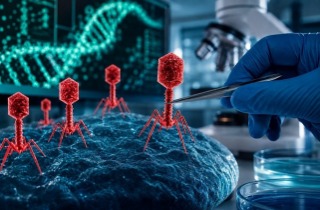
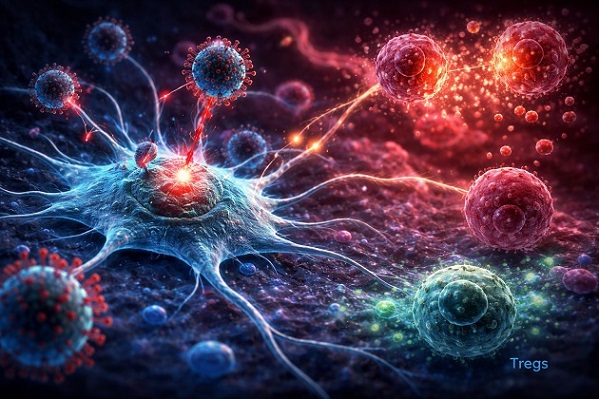
A new scientific study has revealed that small fragments of the SARS-CoV-2 virus can significantly disrupt the function of mesenchymal stromal cells (MSCs), which are critical for controlling inflammation in the human body. The findings provide new insight into how COVID-19 may trigger immune imbalance and worsen disease severity in some patients.
 Medical-News-Peptides-from-COVID-19-Virus-Disrupts-Immune-Functions-of-Mesenchymal-Stromal-Cells
The research was conducted by scientists from the University for Continuing Education Krems, Sigmund Freud Private University in Vienna, the Center for Biomedical Technology at the University for Continuing Education Krems, and the Medical University of Vienna. In this new study covered in this
Medical News report, the focus was on how viral peptides—short segments of the virus—directly affect the immune-regulating role of MSCs.
MSCs: The Body’s Natural Anti-Inflammatory System
Mesenchymal stromal cells play a vital role in maintaining immune stability. Under normal conditions, they suppress excessive immune reactions and prevent damage caused by uncontrolled inflammation. They also promote the development of regulatory T-cells, which act as a braking system to keep immune responses under control. Because of these properties, MSCs have been widely studied as a potential therapy for severe COVID-19 cases, where the immune system becomes overactive and harmful.
SARS-CoV-2 Peptides Reprogram Immune Cell Behavior
The study found that exposure to SARS-CoV-2 spike protein peptides fundamentally changes how MSCs behave. Instead of reducing inflammation, these cells begin to lose their suppressive abilities and shift toward a more inflammatory state.
Researchers observed a clear increase in inflammatory signaling, particularly tumor necrosis factor-alpha. At the same time, MSCs became less effective at controlling T-cell activity and failed to properly support regulatory T-cells. This indicates that viral peptides can directly weaken the body's natural immune control mechanisms.
TLR4 Activation Drives the Disruption
A key discovery in the study was the identification of Toll-like receptor 4 (TLR4) as the main pathway responsible for these changes.
When MSCs were exposed to viral peptides, TLR4 was activated, triggering internal inflammatory signaling pathways. This activation led to increased immune stimulation and reduced anti-inflammatory function. Importantly, when researchers blocked TLR4 using a specific inhibitor, the harmful effects were largely reversed, confirming its central role.
Loss of Control Over Inflammatory T-Cells
Further experiments showed that MSCs exposed to viral peptides could no longer effectively suppress inflammatory T-cell responses. Normally, MSCs reduce the production of powerful inflammatory molecule
s such as TNF-alpha and interferon-gamma. However, this regulatory function was significantly weakened.
In addition, changes in immune checkpoint signaling were observed, including increased PD-L1 expression, suggesting an altered and unstable immune environment. Although some regulatory T-cells were present, they appeared less functional and less capable of controlling inflammation.
Cellular Stress and Structural Damage Observed
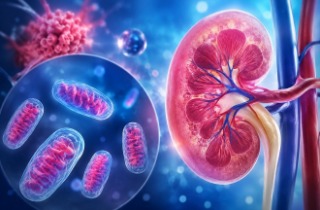
The researchers also identified physical and structural changes in MSCs after exposure to viral peptides. The mitochondria became more compact and shifted closer to the nucleus, while overall cell size decreased.
These changes are commonly associated with cellular stress and metabolic disruption, indicating that viral peptides not only affect immune signaling but also impair the internal health of these cells.
Mixed Signals Can Modify the Outcome
Interestingly, when MSCs were exposed to both viral peptides and bacterial components such as lipopolysaccharide, some of their immune-suppressing abilities were partially restored. This suggests that different immune triggers can interact in complex ways and may influence how the body responds during infection.
Why This Matters for COVID-19 Severity
These findings help explain why some COVID-19 patients experience severe inflammation despite having natural mechanisms to control immune responses. The ability of viral peptides to reprogram mesenchymal stromal cells may play a critical role in this immune dysfunction.
The study also raises important concerns about the use of MSC-based therapies without fully understanding how viral components might alter their behavior. Targeting the TLR4 pathway could offer a potential approach to restoring immune balance.
Conclusion
The study clearly shows that SARS-CoV-2 peptides can disrupt the normal function of mesenchymal stromal cells, shifting them from protective regulators to contributors of inflammation. By activating the TLR4 pathway, these viral fragments weaken the body’s ability to control immune responses and may contribute to severe disease outcomes. Understanding this mechanism is essential for improving treatments and ensuring safer therapeutic strategies in COVID-19 and similar inflammatory conditions.
The study findings were published in the peer reviewed journal: Cells.
https://www.mdpi.com/2073-4409/15/7/592
For the latest COVID-19 news, keep on logging to Thailand
Medical News.
Read Also:
https://www.thailandmedical.news/articles/coronavirus
https://www.thailandmedical.news/articles/long-covid




 Share
Share
 Tweet
Tweet
 Share
Share