Phytochemicals from Mandragora Autumnalis Shows Strong Action Against Breast Cancer
Kittisak Meepoon Fact checked by:Thailand Medica News Team Dec 02, 2025 7 months, 3 weeks, 15 hours, 55 minutes ago
Medical News: A Traditional Plant with Modern Scientific Interest
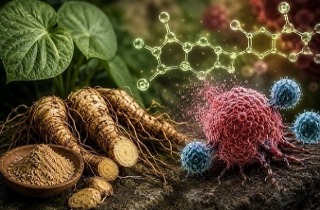
A multinational team of researchers from the American University of Beirut, the Doctoral School of Science and Technology in Beirut, the University of Petra in Jordan, the Cleveland Clinic Foundation in the United States, and Aix Marseille University in France has uncovered powerful anti-cancer properties in Mandragora autumnalis, a medicinal plant long valued in traditional healing practices. This
Medical News report examines how its leaf extract affects triple-negative breast cancer cells, one of the most aggressive and treatment-resistant cancer types.
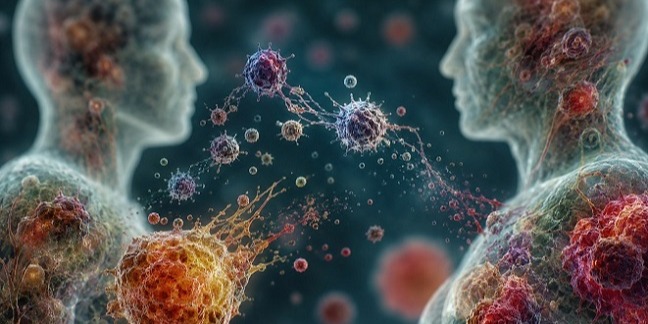
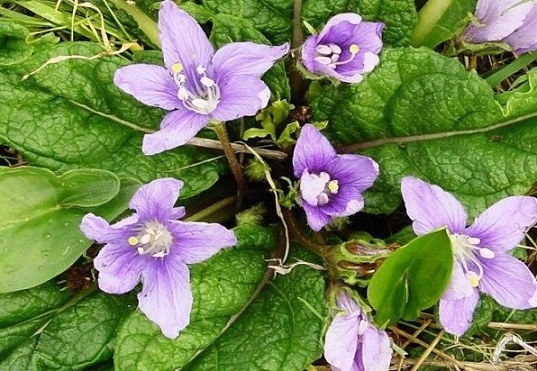 Mandragora autumnalis extract disrupts multiple pathways in triple negative breast cancer cells
Rich Phytochemical Profile Behind Its Potency
Mandragora autumnalis extract disrupts multiple pathways in triple negative breast cancer cells
Rich Phytochemical Profile Behind Its Potency
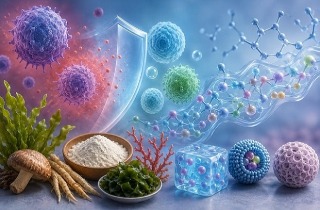
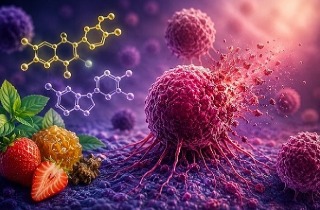
Chemical analysis of the plant extract revealed an extensive spectrum of biologically active components, including flavonoids, phenolic acids, tannins, alkaloids, coumarins, fatty-acid derivatives, and antioxidant compounds. LC-MS profiling showed notable molecules such as chlorogenic acid, quercetin, hyperoside, rutin, scopoletin, caffeic acid, linolenic acid, and several alkaloids, many of which have documented anti-cancer properties. These components collectively contribute to strong antioxidant activity and significant modulation of cancer-related pathways.
Powerful Anti-Proliferative and Apoptotic Effects
The extract sharply reduced the growth of triple-negative breast cancer cells in a dose- and time-dependent manner. It lowered Ki-67 levels, a key marker of tumor proliferation. The study showed clear evidence of apoptosis, including activation of caspase-3, increased Bax expression, and reduced Bcl-2 levels. Microscopy confirmed morphological hallmarks such as membrane blebbing, chromatin condensation, and apoptotic body formation. The extract also triggered ROS-mediated stress inside cancer cells, enhancing apoptosis pathways.
Blocking Metastasis and Key Cancer Pathways
The extract increased E-cadherin, promoting stronger cell–cell adhesion, while lowering integrin β1, reducing the ability of cells to attach to surrounding tissues. Migration and invasion assays demonstrated substantial suppression of metastatic behavior. STAT-3, a major driver of tumor survival and metastasis, was significantly reduced along with MMP-9, a critical enzyme that helps cancer cells invade surrounding structures. These combined effects indicate a strong multi-pathway disruption of cancer spread.
Anti-Inflammatory and Anti-Angiogenic Activity
Further analysis showed lowered COX-2 and iNOS levels, two inflammatory enzymes strongly linked to cancer progression. In chick-embryo CAM testing, the extract dramatically reduced blood vessel formation, indicating its ability to inhibit angiogenesis, a critical requirement for tumors to grow and metastasize.
Conclusion
The findings demonstrate that Mandragora autumnalis impacts nearly every major stage of
triple-negative breast cancer progression: suppressing proliferation, inducing apoptosis, blocking adhesion and invasion, impairing migration, inhibiting inflammation, and cutting off angiogenesis. This multi-targeted action highlights the plant as a promising natural lead for future therapeutic development, especially in cancers with limited treatment options. Continued research may help refine its active compounds into effective anti-cancer agents.
The study findings were published in the peer reviewed International Journal of Molecular Sciences.
https://www.mdpi.com/1422-0067/26/17/8506
For the latest on Breast Cancer, keep on logging to Thailand
Medical News.
Read Also:
https://www.thailandmedical.news/articles/cancer
https://www.thailandmedical.news/articles/herbs-and-phytochemicals




 Share
Share
 Tweet
Tweet
 Share
Share