Nikhil Prasad Fact checked by:Thailand Medical News Team Mar 27, 2026 5 months, 6 days, 18 hours, 16 minutes ago
Health News: Coffee May Boost Mood but Not Treat Depression
Coffee is one of the most widely consumed beverages in the world, often praised for its ability to boost energy, sharpen focus, and even improve mood. However, new scientific insights are challenging the belief that coffee can protect against or treat depression, revealing a far more complex and nuanced reality.
 New research shows coffee offers only temporary relief from fatigue while potentially worsening sleep and anxiety
in depression
A recent review conducted by researchers from the Institute of Health Sciences, University of Opole; the Institute of Psychology, University of Opole; and the Faculty of Physical Education and Physiotherapy, Opole University of Technology, Poland, has closely examined how coffee and caffeine interact with depressive symptoms. The findings suggest that while caffeine can influence how people feel in the short term, it does not act as a true treatment for depression. In fact, this
Health News report highlights that caffeine’s effects are temporary and highly dependent on individual behavior and biological sensitivity.
Temporary Energy Boost Masks Deeper Issues
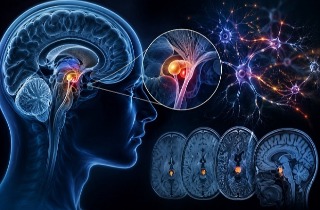
Caffeine works by blocking adenosine, a chemical in the brain that promotes sleep and relaxation. This action increases alertness and reduces feelings of fatigue, which are common symptoms in people suffering from depression. As a result, individuals may feel more energetic and mentally sharp after consuming coffee.
However, researchers emphasize that these improvements are short-lived. Once the caffeine wears off, the underlying symptoms often return. This means that while coffee may help individuals function better temporarily, it does not address the root causes of depression or provide lasting relief.
Sleep Disruption and Anxiety Risks
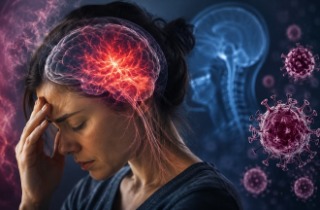
One of the most significant concerns raised by the study is the impact of caffeine on sleep. Even when consumed several hours before bedtime, caffeine can delay sleep onset, reduce sleep quality, and disrupt normal sleep cycles. Poor sleep is strongly linked to worsening mood, increased irritability, and a higher risk of depression.
Additionally, high caffeine intake can increase anxiety, restlessness, and inner tension. For individuals already dealing with depression, especially those with anxiety symptoms, this can worsen their overall condition rather than improve it.
Dependence And Withdrawal Complicate the Picture
The researchers also highlighted how regular caffeine use can lead to tolerance and dependence. Over time, individuals may need larger amounts of caffeine to achieve the same effects. When caffeine intake is reduced or stopped, withdrawal symptoms such as fatigue, low mood, irritability, and difficulty concentrating can occur.
These withdrawal effects closely resemble symptoms of depression, making it difficult to distinguish between true mood changes and caffeine-related fluctuations. In many cases, the perceived “
benefit” of coffee may simply be relief from withdrawal rather than genuine improvement.
Misleading Links in Population Studies
Large observational studies have often reported that people who drink coffee regularly appear to have lower rates of depression. However, researchers caution that this association may not be causal.
People who consume coffee frequently often have structured routines, active work lives, and greater social interaction—factors that independently support better mental health. These lifestyle elements may explain the observed benefits rather than caffeine itself.
Conclusion
Overall, the findings make it clear that coffee should not be considered a treatment for depression. While it can temporarily improve alertness and reduce fatigue, these effects are short-lived and may come with downsides such as sleep disruption, anxiety, and dependence. The impact of caffeine varies widely between individuals, depending on factors like sensitivity, dosage, and timing of consumption. For some, moderate use may help daily functioning, but for others, it may worsen symptoms or create cycles of reliance. Understanding these trade-offs is essential before using caffeine as a coping mechanism for mental health challenges.
The study findings were published in the peer reviewed journal: Nutrients.
https://www.mdpi.com/2072-6643/18/7/1064
For the latest on coffee and mental health, keep on logging to Thailand
Medical News.
Read Also:
https://www.thailandmedical.news/articles/health-news
https://www.thailandmedical.news/articles/mental-health




 Share
Share
 Tweet
Tweet
 Share
Share