Nikhil Prasad Fact checked by:Thailand Medical News Team Mar 26, 2026 4 months, 3 weeks, 3 days, 22 hours, 44 minutes ago
Medical News: Probiotics are emerging as a potential supportive therapy for individuals suffering from long COVID, according to a new study examining how gut bacteria influence recovery after infection. Researchers found that a multi-strain probiotic formulation can modestly improve gut microbial balance and may help reduce inflammation linked to persistent symptoms.
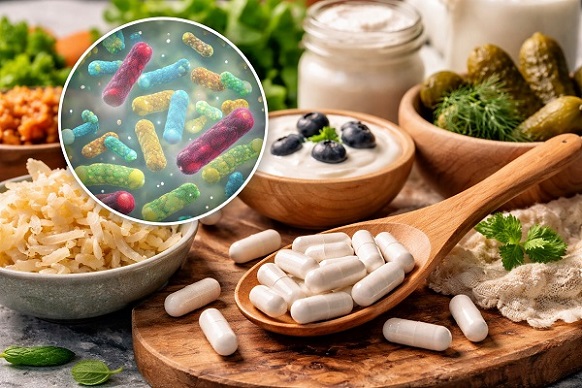 Multi-strain probiotics may help improve gut balance and reduce inflammation in long COVID patients
The Gut Link in Long COVID
Multi-strain probiotics may help improve gut balance and reduce inflammation in long COVID patients
The Gut Link in Long COVID
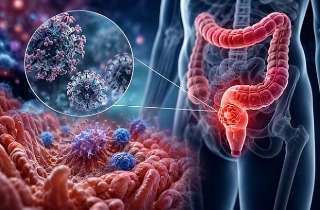
Long COVID is characterized by ongoing symptoms such as fatigue, cognitive issues, and digestive disturbances that persist months after the initial infection. Increasing evidence suggests that disruptions in the gut microbiome play a role in prolonging these symptoms. An imbalance in gut bacteria can contribute to chronic low-grade inflammation and metabolic dysfunction, both of which are commonly seen in long COVID patients.
Study Design and Participants
The study covered in this
Medical News report, was conducted by researchers from the Innovation Centre of the Faculty of Technology and Metallurgy, University of Belgrade; the Department of Gastroenterology and Hepatology at the Clinic for Internal Medicine, University Hospital Medical Center “Bežanijska Kosa”; the Faculty of Medicine, University of Belgrade; and the Department of Biochemical Engineering and Biotechnology, Faculty of Technology and Metallurgy, University of Belgrade, Serbia.
A total of 74 participants were analyzed, including individuals with long COVID, recovered patients, and healthy controls. Participants in the intervention group received a multi-strain probiotic for 12 weeks, while others served as controls.
Probiotic Composition
The multi-strain probiotic contained Saccharomyces boulardii, Lacticaseibacillus rhamnosus GG, and two strains of Lactiplantibacillus plantarum. These strains are known for their roles in supporting gut integrity, regulating immune responses, and influencing metabolic activity.
Key Microbiome Findings
The probiotic did not significantly alter overall gut microbial diversity. However, it led to selective changes in specific bacterial groups. In individuals with long COVID, beneficial bacteria associated with metabolic balance and immune regulation increased. These included genera linked to anti-inflammatory effects and improved gut function.
At the same time, certain bacteria associated with inflammatory states showed a reduction or failed to increase, suggesting a shift toward a more balanced microbial environment. These effects were more pronounced in long COVID participants compared to recovered individuals.
Functional Changes in Gut Activity
Beyond compositional changes, the probiotic also influenced the functional activity of gut microbes. There was an increase in pathways related to energy metabolism and redox balance, indicatin
g improved microbial efficiency and cellular processes. These changes are relevant because long COVID has been associated with impaired metabolic function.
Effects on Inflammation and Biochemical Markers
The study also evaluated blood-based health markers. Participants receiving probiotics showed consistent trends toward reduced inflammation, including lower levels of C-reactive protein. Improvements in liver-related enzymes were also observed, indicating a potential systemic benefit beyond the gut.
Although these changes were modest and did not always reach statistical significance, the overall pattern suggested a beneficial effect on inflammatory and metabolic processes.
Implications for Treatment
The findings suggest that probiotics may play a supportive role in managing long COVID by targeting gut microbiota. Rather than causing major shifts, probiotics appear to fine-tune microbial composition and function, which may help restore balance in individuals with disrupted gut ecosystems.
Conclusion
Multi-strain probiotic supplementation was associated with targeted improvements in gut microbiota composition and function, particularly in individuals with long COVID. The observed increases in beneficial bacteria, along with trends toward reduced inflammation and improved metabolic markers, indicate that probiotics may contribute to recovery by supporting gut and systemic health. While the effects are moderate, they are consistent and biologically meaningful. Larger randomized studies are needed to confirm these findings and to determine optimal formulations and treatment durations.
The study findings were published in the peer reviewed journal: Microorganisms
https://www.mdpi.com/2076-2607/14/4/734
For the latest on Long COVID, keep on logging to Thailand
Medical News.
Read Also:
https://www.thailandmedical.news/articles/long-covid




 Share
Share
 Tweet
Tweet
 Share
Share