Nikhil Prasad Fact checked by:Thailand Medical News Team Aug 29, 2026 1 hour, 50 minutes ago
A Familiar Drug Gets a New Look
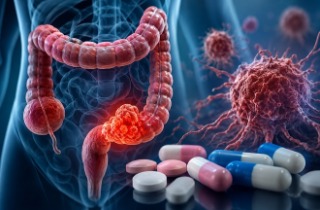
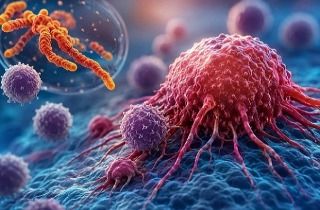
Disulfiram, a decades-old medicine best known for treating alcohol dependence, could have a surprising second life as an anticancer therapy. Scientists examining the drug’s biological activity say it can attack cancer cells through several mechanisms, although major obstacles continue to prevent its laboratory success from translating into effective treatment for patients.
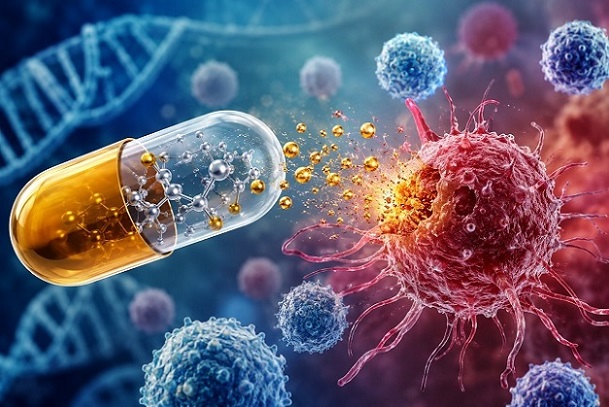 Disulfiram attacks cancer through several biological pathways, but improved drug-delivery technologies may be
crucial to unlocking its therapeutic potential
The review was conducted by scientists from the Chair of Medical Biochemistry, Faculty of Medicine, Jagiellonian University Medical College in Kraków, Poland.
According to the study review covered in this
Thailand Medical News report, disulfiram is rapidly converted after administration into diethyldithiocarbamate, or DDC. In the presence of copper, DDC can form a biologically active complex known as Cu(DDC)2, which appears responsible for several important anticancer effects.
Disulfiram Hits Cancer from Multiple Directions
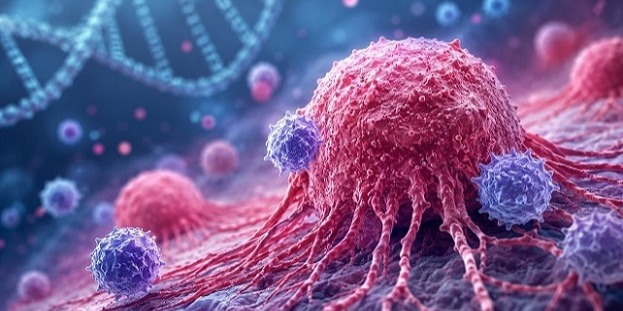
One particularly interesting finding involves oxidative stress. Cancer cells generally maintain higher levels of reactive oxygen species than normal cells and depend heavily on antioxidant defenses to survive. Cu(DDC)2 can generate additional reactive oxygen species, potentially overwhelming this delicate balance and pushing malignant cells toward death.
The compound can also interfere with the ubiquitin-proteasome system, the cellular machinery responsible for removing damaged and short-lived proteins. Blocking this system can cause proteins to accumulate, activate stress responses and increase signals that promote apoptosis.
Another potential mechanism involves hydrogen sulfide. Cu(DDC)2 can inhibit CBS and CSE, enzymes involved in producing hydrogen sulfide, a signaling molecule that may help support cancer-cell survival and tumor development.
Disulfiram also interacts with thiol groups in proteins and small molecules. This includes reducing glutathione, one of the cell’s major antioxidant defenses. The drug can additionally interfere with enzymes including ALDH, GAPDH and PHGDH, potentially disrupting cancer metabolism and targeting cancer stem cells associated with treatment resistance and metastasis.
Why Clinical Trials Have Struggled
Despite impressive laboratory findings, conventional disulfiram has performed poorly in several cancer trials. One major explanation is pharmacokinetics: orally administered disulfiram has a blood half-life of approximately two to four minutes.
Laboratory experiments often expose cancer cells to micromolar drug concentrations, while concentrations following oral administration in humans can be in the nanomolar range. This enormous difference may explain why mechanisms that look powerful in laboratory dishes are difficult to reproduce inside patients.
Trials involving glioblastoma, lung c
ancer and metastatic castration-resistant prostate cancer have consequently produced limited or disappointing clinical benefits. Researchers also highlight insufficient free copper and the absence of biomarkers capable of identifying patients most likely to respond.
Nanotechnology May Offer a Solution
Advanced drug-delivery technology could potentially overcome these limitations. Nanoparticles, liposomes and copper-carrying systems can protect disulfiram from rapid degradation while improving tumor delivery.
In one preclinical approach, PLGA encapsulation increased disulfiram’s serum half-life from less than two minutes to approximately seven hours. In mice, DSF-PLGA combined with copper gluconate completely blocked experimentally induced lung metastases from hepatocellular carcinoma cells. Liposome-encapsulated disulfiram also suppressed human breast cancer xenografts, particularly when combined with copper.
Conclusion
Disulfiram remains an intriguing candidate for cancer drug repurposing, but conventional oral treatment has not demonstrated reliable clinical effectiveness. Future success may depend on nanoformulations, controlled copper delivery, predictive biomarkers and better patient selection. Large, carefully designed human trials will ultimately be necessary to determine whether these strategies can transform promising experimental anticancer activity into meaningful benefits for patients.
The study findings were published in the peer reviewed International Journal of Molecular Sciences.
https://www.mdpi.com/1422-0067/27/17/7667
Read Also:
https://www.thailandmedical.news/articles/cancer
Medical Disclaimer: All content published by Thailand Medical News is based on scientific research and is intended for informational and educational purposes only. It is not medical advice, diagnosis, or treatment. Readers must not attempt to use, apply, or experiment with any protocols, compounds, or therapies mentioned without first consulting a qualified and licensed medical doctor. Many findings discussed are experimental or preliminary, and only a licensed healthcare professional can determine what is safe and appropriate for an individual’s specific medical condition.




 Share
Share
 Tweet
Tweet
 Share
Share