Nikhil Prasad Fact checked by:Thailand Medical News Team Aug 29, 2026 1 hour, 1 minute ago
Scientists are drawing growing attention to microscopic packages released by human cells that could help explain why inflammation, fatigue, vascular problems, and neurological symptoms can persist long after an acute SARS-CoV-2 infection has ended.
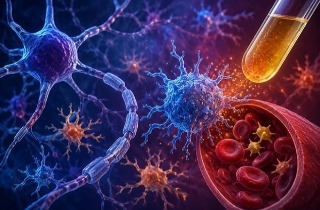
 Tiny extracellular vesicles carrying protected viral and inflammatory cargo may help sustain several biological processes
associated with long COVID
A new scientific review examining extracellular vesicles, or EVs, suggests these membrane-bound particles may act as unusually durable carriers of viral remnants and inflammatory signals. The work was conducted at the Department of Experimental Medicine, University of Rome Tor Vergata, Rome, Italy.
Viral Material Could Persist for Months
EVs normally transport proteins, lipids, metabolites, and genetic material between cells. However, SARS-CoV-2 infection can alter their contents, potentially transforming them into vehicles that prolong abnormal biological signaling.
Evidence reviewed by the scientists indicates that SARS-CoV-2 spike and nucleocapsid proteins can be associated with circulating EVs long after infection.
Viral material has been reported for periods extending to 15 months after infection, supporting the possibility that protected viral remnants could repeatedly stimulate the immune system even without actively replicating virus.
Because EVs have protective lipid membranes, their cargo may escape antibodies, enzymes, and other mechanisms that normally remove exposed viral material.
Possible Link to Fatigue and Vascular Damage
Importantly, this
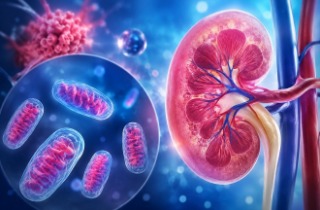
Thailand Medical News report highlights evidence that EVs from people with long COVID may affect cellular energy production. Exposure to these vesicles has been associated with activation of RUNX2 and the p53/p21 pathway, which are linked with cellular stress, DNA damage, and senescence.
The vesicles can also impair mitochondrial respiration, reducing cells' ability to consume oxygen efficiently. Researchers believe this mechanism could potentially contribute to persistent fatigue and exercise intolerance.
EVs may additionally promote endothelial dysfunction, oxidative stress, abnormal coagulation, and microvascular injury. Some contain tissue factor and phosphatidylserine, creating conditions that may encourage microthrombus formation.
Brain Fog Could Involve the Blood-Brain Barrier
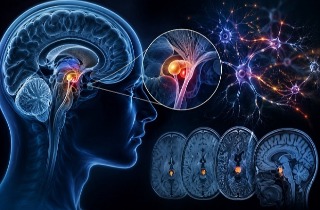
The neurological findings are particularly significant. EVs carrying inflammatory molecules and viral remnants may interact with blood vessels forming the blood-brain barrier.
Evidence reviewed in the paper suggests long COVID-associated EVs can reduce tight-junction proteins that normally help seal this barrier. Increased permeability could allow inflammatory cells and harmful molecules to enter brain tissue.
EVs may also activate microglia, the brain's resident immune cells, encouraging production of inflammatory mediators. Sustained microglial activation could i
nterfere with synaptic function and brain plasticity, potentially contributing to memory difficulties, poor concentration, and "brain fog."
EVs Could Become Biomarkers and Treatments
The researchers propose that EV-associated spike protein, inflammatory molecules, microRNAs, and coagulation-related markers could eventually become liquid-biopsy indicators for identifying or monitoring long COVID.
Therapeutic possibilities are also emerging. Scientists are investigating ways to block harmful EV production or selectively remove pathogenic vesicles. Conversely, engineered EVs derived from mesenchymal stem cells could potentially deliver anti-inflammatory molecules or RNA therapeutics directly to damaged tissues.
Conclusions
Overall, the evidence positions extracellular vesicles as potentially important biological links connecting persistent viral material with chronic immune activation, mitochondrial dysfunction, vascular injury, and neurological problems in long COVID. However, standardized EV isolation and characterization methods, larger longitudinal studies, and clinical validation remain essential before EV-based diagnostic tests or therapies can become routine medical tools.
The study findings were published in the peer reviewed journal: Current Opinion in Structural Biology.
https://www.sciencedirect.com/science/article/pii/S0959440X26001570
Read Also:
https://www.thailandmedical.news/articles/long-covid




 Share
Share
 Tweet
Tweet
 Share
Share