Nikhil Prasad Fact checked by:Thailand Medical News Team Dec 30, 2025 8 months, 3 days, 11 hours, 37 minutes ago
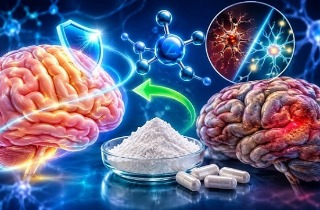
Medical News: Researchers are shedding new light on Coenzyme A, a molecule long known for helping cells produce energy. New scientific evidence now shows that Coenzyme A also plays a critical role in protecting brain cells from damage linked to Alzheimer’s disease, Parkinson’s disease, and other neurodegenerative disorders. These discoveries are changing how scientists view brain metabolism and cellular protection.
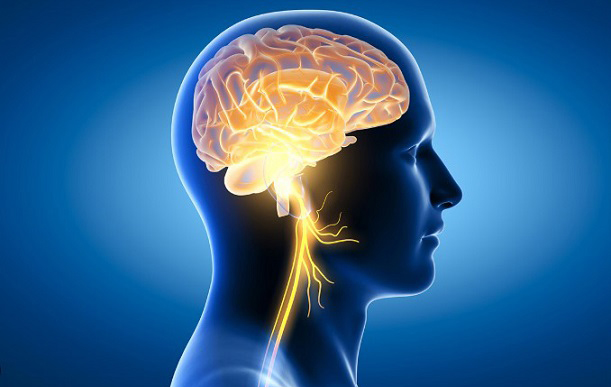 New research reveals how Coenzyme A helps defend brain cells against Alzheimer’s and Parkinson’s disease
This
Medical News report is based on a comprehensive scientific review carried out by researchers from the Department of Structural and Molecular Biology at University College London, the Department of Neurodegenerative Disease at the UCL Queen Square Institute of Neurology, and the Institute of Molecular Biology and Genetics at the National Academy of Sciences of Ukraine.
Why The Brain Relies Heavily on Coenzyme A
Although the brain makes up only about two percent of body weight, it consumes roughly twenty percent of the body’s total energy. Neurons require constant fuel to support thinking, memory, movement, and communication. Coenzyme A plays a central role in this process by helping convert nutrients such as glucose, lactate, and ketone bodies into usable energy.
One of its most important products, acetyl CoA, supports energy production inside mitochondria, helps generate neurotransmitters like acetylcholine, and regulates genes involved in memory formation. When Coenzyme A levels fall, neurons struggle to meet their energy demands, making them more vulnerable to stress and damage.
A Newly Discovered Antioxidant Defense
The review highlights an important new discovery. Under conditions of oxidative stress, Coenzyme A switches roles and acts as an antioxidant. The brain produces large amounts of reactive oxygen species during normal activity, but excessive levels can damage proteins, fats, and DNA.
Coenzyme A protects cells through a process called protein CoAlation. During this process, Coenzyme A temporarily attaches to sensitive proteins, shielding them from irreversible damage and helping them recover normal function. Researchers have identified more than two thousand proteins that can undergo this protective modification, many of which are involved in metabolism and stress response.
Strong Links to Alzheimer and Parkinson Disease
The study also explains how defects in Coenzyme A production are linked to neurodegenerative disease. Genetic mutations that disrupt Coenzyme A synthesis cause rare disorders involving brain iron buildup and severe neurological decline.
Importantly, postmortem brain samples from patients with Alzheimer’s and Parkinson’s disease showed unusually high levels of Coenzyme A modified proteins. In Alzheimer’s disease, Coenzyme A was found attached to tau protein within neurofibrillary tangles, suggesting it may help slow or limit toxic protein aggregation.<
;br />
Treatment Possibilities and Future Research
Animal studies show that drugs and nutritional compounds that raise brain Coenzyme A levels can improve movement, memory, mitochondrial function, and survival. Some of these compounds have already entered early human clinical trials, showing acceptable safety and promising biological effects.
Conclusion
The findings clearly show that Coenzyme A is far more than a basic metabolic helper. It acts as a central protector of brain health by supporting energy production, reducing oxidative stress, and safeguarding essential proteins.
Enhancing Coenzyme A pathways may open new doors for treating neurodegenerative diseases that currently have limited therapeutic options.
The study findings were published in the peer reviewed journal: Biomedicines
https://www.mdpi.com/2227-9059/14/1/69
For the latest on neuroprotective agents, keep on logging to Thailand
Medical News.
Read Also:
https://www.thailandmedical.news/articles/alzheimer,-dementia-
https://www.thailandmedical.news/articles/supplements




 Share
Share
 Tweet
Tweet
 Share
Share