Nikhil Prasad Fact checked by:Thailand Medical News Team Aug 29, 2026 56 minutes ago
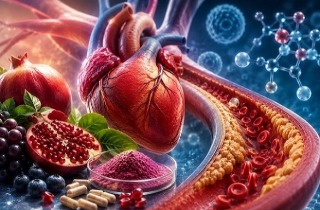
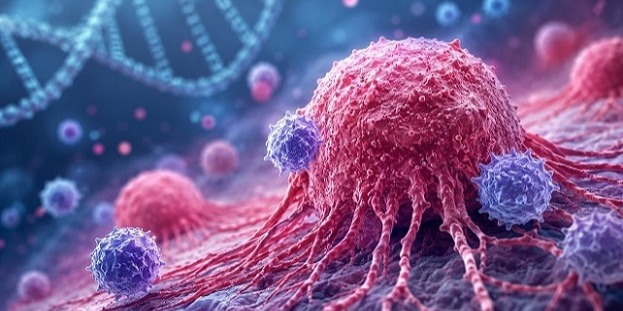
Low-grade chronic inflammation may be an important but often overlooked contributor to atherosclerotic cardiovascular disease (ASCVD), and growing evidence suggests that everyday dietary choices could help suppress this damaging process.
 Anti-inflammatory dietary patterns may help lower chronic inflammation and potentially reduce
the hidden cardiovascular risk that remains beyond cholesterol and other traditional risk factors
A new narrative review examined evidence linking nutrition, inflammation, and cardiovascular risk, focusing particularly on dietary patterns and bioactive food compounds that may influence inflammatory pathways. The review evaluated 57 relevant articles selected after a PubMed search and screening process.
The researchers are from the Department of Pharmacological and Biomolecular Sciences “Rodolfo Paoletti,” Università degli Studi di Milano, Milan, Italy, and IRCCS MultiMedica, Sesto San Giovanni, Italy.
Inflammation Adds Another Layer of Heart Risk
Traditional cardiovascular prevention focuses heavily on LDL cholesterol, high blood pressure, obesity, and diabetes. However, this
Thailand Medical News report highlights evidence that persistent low-level inflammation may help explain some cardiovascular risk remaining after conventional factors are addressed.
One analysis discussed in the review found that each standard-deviation increase in LDL cholesterol, lipoprotein(a), and high-sensitivity C-reactive protein (hsCRP) was associated with 13%, 8%, and 6% higher major cardiovascular event risk, respectively, among people not taking cholesterol-lowering medication.
More strikingly, people whose levels of all three biomarkers exceeded the 75th percentile had a 77% greater risk of major adverse cardiovascular events if they were not taking cholesterol-lowering medication and a 58% greater risk if they were.
Mediterranean Diet Shows Strong Evidence
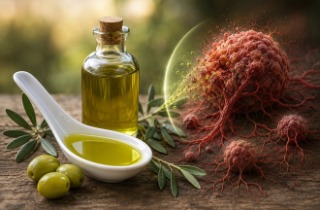
The review identifies the Mediterranean diet as one of the best-supported nutritional approaches. Its polyphenols and other bioactive compounds may reduce inflammatory signaling and lower hsCRP, IL-6, and TNF-α.
Evidence from the PREDIMED trial indicated that Mediterranean diets supplemented with nuts or extra-virgin olive oil reduced cardiovascular events. After correction of randomization-related methodological problems, the central findings remained, with roughly a 30% relative reduction in major cardiovascular events in the intervention groups.
DASH, plant-based, high-fiber, and selected ketogenic dietary approaches also showed potential anti-inflammatory benefits. Foods rich in fiber, omega-3 fatty acids, polyphenols, and micronutrients may influence inflammation, oxidative stress, lipid metabolism, and potentially the gut microbiome.
A Key Inflammatory Pathway
Particular attention centers on the NLRP3 inflammasome, a cellular inflammatory complex that can trigger IL-1β, IL-18, and IL-6. Diet-related changes could potentia
lly reduce activation of this pathway.
The review also discusses nutraceutical ingredients including omega-3 fatty acids, curcumin, olive-oil polyphenols, fiber, vitamin D, and selected probiotics. However, evidence that supplements themselves prevent ASCVD remains insufficient, and no such products have received specific FDA or EFSA claims for treating chronic low-grade inflammation.
Conclusions
The findings strengthen the case that cardiovascular prevention should consider inflammation alongside conventional risk factors. Anti-inflammatory dietary patterns, particularly Mediterranean-style eating, appear promising, but better biomarkers, standardized nutrition studies, personalized approaches, and long-term trials are still needed before specific supplements or precision dietary interventions can be confidently prescribed to reduce cardiovascular events.
The study findings were published in the peer reviewed journal: Nutrients.
https://www.mdpi.com/2072-6643/18/17/2834
Read Also:
https://www.thailandmedical.news/articles/cardiology
https://www.thailandmedical.news/articles/diets-and-nutrition 



 Share
Share
 Tweet
Tweet
 Share
Share