Bundibugyo Ebola Virus Rapidly Evolves as Scientists Warn of the Possibility of More Dangerous Variants Emerging in the DRC
Nikhil Prasad Fact checked by:Thailand Medical News Team Jun 28, 2026 1 month, 3 weeks, 11 hours, 56 minutes ago
Medical News: A rapidly escalating outbreak of Bundibugyo Ebola virus disease in the Democratic Republic of the Congo (DRC) is raising alarm among scientists after new genomic evidence revealed the virus is mutating and diversifying at an unsettling pace. Researchers fear the outbreak could become even more dangerous as the virus continues spreading through vulnerable communities where chronic disease, malnutrition, conflict, and weak healthcare systems provide ideal conditions for viral evolution. This
Medical News report examines the latest findings and why experts believe immediate action is critical.
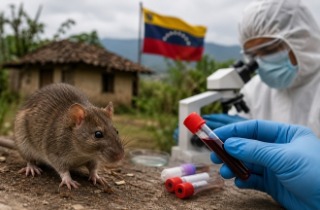
 Scientists warn rapidly mutating Bundibugyo Ebola virus may become increasingly dangerous as the DRC outbreak
continues to expand.
Genetic Diversity Signals Hidden Transmission
The outbreak, officially declared on May 15, 2026, in Ituri Province, has already infected more than 1,205 people and claimed over 321 lives. Despite extensive response efforts, transmission has continued across eastern DRC and has extended into neighboring Uganda, highlighting the difficulty of containing the deadly pathogen.
The greatest concern now comes from genomic sequencing. Scientists analyzed approximately 10 viral samples and discovered at least 23 unique genetic mutations spread across multiple Bundibugyo virus lineages. Such diversity strongly suggests the virus had been circulating unnoticed for several weeks before sequencing efforts began.
Among the mutations identified, several were located in the virus's glycoprotein gene, the critical surface protein responsible for attaching to and entering human cells while also helping the virus evade immune defenses. Four of the five glycoprotein mutations were non-synonymous, meaning they altered the amino acid sequence and potentially changed the structure and biological behavior of the protein itself. Such changes could influence infectivity, immune escape, or disease severity, although additional laboratory studies will be needed to determine their exact impact.
A Perfect Environment for Viral Evolution
Bundibugyo virus belongs to the RNA virus family, organisms that naturally accumulate mutations because their replication machinery frequently introduces copying errors. While many mutations have little effect, prolonged transmission creates opportunities for beneficial changes to emerge and spread.
Scientists believe eastern DRC presents an unusually favorable environment for this evolutionary process. Millions of people live with conditions that weaken immune function, including HIV infection, tuberculosis, chronic malaria, severe malnutrition, and multiple simultaneous infections. Years of armed conflict, mass displacement, and poor access to healthcare have further compounded these vulnerabilities.
Individuals with weakened immune systems may be unable to eliminate the virus quickly, allowing it to replicate for extended periods. Every additional replication cycle increases the chance of generating new mutations. If any mutation improves
transmission, enhances immune evasion, or increases virulence, natural selection may favor its persistence. This combination of prolonged infections, widespread community transmission, and multiple genetically distinct viral lineages creates what virologists describe as an ideal evolutionary laboratory.
Limited Medical Countermeasures Increase the Threat
Unlike Zaire ebolavirus, which has approved vaccines and monoclonal antibody therapies, Bundibugyo Ebola virus disease currently has no licensed vaccine or targeted antiviral treatment. Patients primarily receive supportive medical care, including fluid replacement, electrolyte management, treatment of secondary infections, and intensive monitoring.
Unfortunately, many healthcare facilities in affected regions remain overwhelmed by insecurity, shortages of trained personnel, limited medical supplies, and delayed patient access. Health workers continue reporting patients arriving with high fever, severe body pain, vomiting, diarrhea, internal and external bleeding, and rapid clinical deterioration, with some dying only days after symptom onset.
Historically, Bundibugyo Ebola outbreaks have produced case fatality rates ranging between 25 and 50 percent. However, experts caution that continued viral evolution, expanding geographic spread, and healthcare limitations could significantly complicate outbreak management.
International Response Faces Growing Challenges
International public health agencies have classified the outbreak as a Public Health Emergency of International Concern, yet containment remains exceptionally difficult. Ongoing violence, population displacement, porous international borders, and limited surveillance capacity continue to hinder rapid identification and isolation of infected individuals.
Researchers are urging authorities to dramatically expand genomic sequencing to monitor emerging viral lineages in real time. They also recommend intensified surveillance, stronger infection prevention measures within healthcare facilities, accelerated contact tracing, and urgent investment in Bundibugyo-specific vaccines, antiviral drugs, and therapeutic antibodies.
Every additional week of uncontrolled transmission offers the virus countless opportunities to accumulate further mutations. Continuous genomic monitoring will therefore be essential to identify potentially dangerous variants before they become dominant.
The Warning Cannot Be Ignored
The latest genomic findings reveal that Bundibugyo Ebola virus is actively evolving rather than remaining genetically stable throughout the outbreak. Although the newly identified mutations have not yet been proven to increase transmissibility or disease severity, their presence within critical viral proteins, combined with sustained human-to-human transmission and widespread immune compromise, represents a deeply concerning development. Unless aggressive containment measures, expanded genomic surveillance, improved clinical care, and accelerated research are implemented immediately, the virus could continue adapting in ways that make future outbreaks substantially more difficult to control and potentially far more devastating for both regional and global public health.
References:
https://virological.org/t/molecular-evolutionary-analysis-of-the-current-bundibugyo-virus-disease-outbreak-in-drc-and-uganda/1042
https://virological.org/t/initial-genomes-from-may-2026-bundibugyo-virus-disease-outbreak-in-the-democratic-republic-of-the-congo-and-uganda/1032
https://www.thelancet.com/journals/lancet/article/PIIS0140-6736(26)01141-4/abstract
https://www.nature.com/articles/nature19790
https://www.nature.com/articles/s41467-026-73746-1
For the latest Ebola news, keep on logging to Thailand
Medical News.
Read Also:
https://www.thailandmedical.news/articles/ebola




 Share
Share
 Tweet
Tweet
 Share
Share