Nikhil Prasad Fact checked by:Thailand Medical News Team Aug 20, 2026 1 month, 2 weeks, 2 days, 5 hours, 59 minutes ago
The trillions of bacteria living in the human gut may play a surprisingly important role in ischemic stroke, potentially influencing both the risk of having a stroke and how well a person recovers afterward.
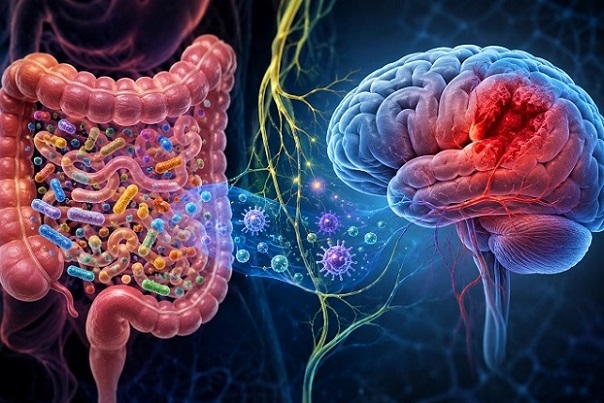 Gut bacteria may influence stroke risk, brain inflammation, complications, and recovery, according to a major
scientific review.
A major scientific review examined evidence on the microbiota-gut-brain axis, the two-way communication system connecting intestinal microbes with the brain, immune system, nerves, and bloodstream. The review suggests that an unhealthy imbalance of gut microbes, known as dysbiosis, may begin affecting stroke risk even before a stroke occurs.
Gut Changes May Start Before Stroke
The review found that people at greater stroke risk can have fewer beneficial bacteria that produce short-chain fatty acids, or SCFAs. These substances help maintain the intestinal barrier, regulate inflammation, and may help protect the blood-brain barrier.
At the same time, certain gut microbes can contribute to production of trimethylamine N-oxide, or TMAO. Higher TMAO has been associated with increased platelet activity, atherosclerosis, and blood clot formation. Conditions including high blood pressure, type 2 diabetes, obesity, and metabolic syndrome may further encourage harmful microbial patterns.
Stroke Can Disrupt the Gut Within Hours
The relationship also works in reverse. After an ischemic stroke blocks blood flow to part of the brain, changes in nerves, immune activity, intestinal movement, and stress hormones can rapidly disturb the gut.
Animal studies detected dysbiosis within 24 hours, lasting at least seven days. Human research has commonly identified increased inflammatory bacteria, particularly Proteobacteria and Enterobacteriaceae, alongside reductions in beneficial SCFA-producing microbes such as Roseburia and Lachnospiraceae.
This Thailand
Medical News report highlights an important vicious cycle: stroke can damage normal intestinal function, while the resulting microbial imbalance may increase inflammation and potentially worsen neurological injury.
Gut Health May Influence Stroke Complications
The review connected persistent dysbiosis with several serious problems following stroke, including pneumonia, gastrointestinal dysfunction, depression, and cognitive impairment. A weakened intestinal barrier may allow bacterial products to enter the circulation, triggering immune responses that can intensify inflammation.
Gut-derived substances may also influence the blood-brain barrier, immune cells in the brain, and signaling through the vagus nerve. However, age, sex, genetics, diet, medications, antibiotics, and existing diseases can substantially alter an individual's microbiome.
Could Gut Treatments Improve Recovery?
Researchers are investigating probiotics, prebiotics, dietary fiber, SCFA supplementation, fecal microbiota transplantation, traditional Chinese medicine, and nerve-
stimulation approaches. Some strategies have improved neurological recovery, intestinal barrier function, or inflammation in animal experiments.
Small human studies of probiotics and dietary fiber have produced modest benefits, but the review stresses that most therapeutic evidence remains preliminary. Large randomized clinical trials are needed before microbiome treatments can become routine stroke care.
The research institutions involved were the Department of Neurology and Department of Liver Surgery & Liver Transplantation Center, National Clinical Research Center for Infectious Diseases, The Third People’s Hospital of Shenzhen, China.
Conclusion
The evidence suggests gut microbes may be active participants in stroke rather than innocent bystanders, potentially affecting vascular risk, inflammation, brain injury, complications, and recovery. However, microbiome-based treatments remain experimental, and stronger human trials are essential before they can be recommended clinically.
The study findings were published in the peer reviewed journal: Brain and Behavior.
https://onlinelibrary.wiley.com/doi/10.1002/brb3.71547
Read Also:
https://www.thailandmedical.news/articles/health-news 



 Share
Share
 Tweet
Tweet
 Share
Share