Nikhil Prasad Fact checked by:Thailand Medical News Team Jan 12, 2026 8 months, 3 weeks, 2 days, 4 hours, 52 minutes ago
Medical News: Vine tea extract emerges as natural defense against high blood pressure that is induced by salty diets
A new animal study from Hubei University of Chinese Medicine and Hubei Shizhen Laboratory in Wuhan highlights how an everyday herbal brew may help millions threatened by high blood pressure linked to salty diets.
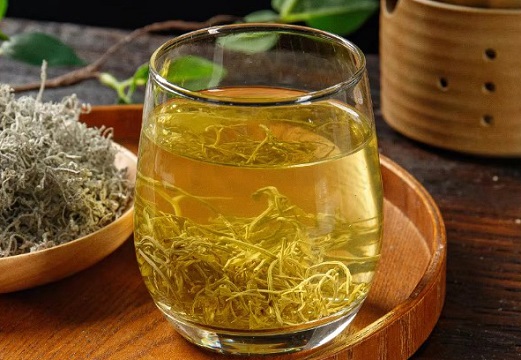 Vine tea extract restores gut microbes and shields heart and kidneys from salt induced hypertension
This
Medical News report follows scientists as they explored vine tea also called Ampelopsis grossedentata, a traditional drink long enjoyed in southern China.
Ancient tea meets modern science
Researchers fed mice an extremely salty diet to mimic salt sensitive hypertension -- a common condition in which blood pressure spikes when sodium intake rises. They identified the main compounds in vine tea extract including
Dihydromyricetin, isoquercitrin, myricetin and quercetin potent flavonoids known for antioxidant and anti-inflammatory activity.
After hypertension had fully developed, the mice received daily vine tea extract in different doses and were compared with a group receiving valsartan a widely used prescription drug.
Strong drops in blood pressure and organ damage
Vine tea performed impressively. It lowered systolic blood pressure and also corrected disrupted appetite and weight loss triggered by excess salt.
Heart and kidney tissues which had begun to show swelling scarring and cellular injury improved visibly after treatment especially at high dose.
The extract outperformed valsartan in many areas including reducing collagen buildup a hallmark of life-threatening organ fibrosis.
On a genetic level vine tea acted broadly. Mice showed normalizing of inflammatory and stress gene activity including IL-1β, TNF-α, ANF, BNP, ET-1, Col1A1 and α-SMA - signaling a drop in inflammatory storm and tissue scarring.
Gut microbes and metabolites tell the real story
One of the most striking insights came from gut analysis. Salt overloaded diets diminished helpful intestinal bacteria and encouraged harmful microbes such as Desulfovibrio and Ruminococcus torques. Vine tea reversed this by restoring microbial richness and boosting beneficial short chain fatty acid producers including Lachnospiraceae, Roseburia, Lactobacillus and Bifidobacterium.
Blood chemistry changes backed this up. Vine tea sharply reduced indoxyl sulfate - a toxin that promotes vascular damage and kidney disease while increasing bile acid components like TUDCA which are known to protect intestinal walls reduce inflammation and support healthy metabolism.
Microbiota required for benefits
Finally, the team eliminated gut microbes using a powerful antibiotic cocktail.
When the microbiome disappeared vine tea lost its protective power. Blood pressure remained
high organ damage continued and inflammatory genes stayed active.
This confirmed vine tea works mainly by reshaping microbial communities and their metabolic products rather than acting as a classic single target drug.
Conclusion
The study paints vine tea as a multi layered protector against salt driven hypertension combining chemical antioxidants with microbiome remodeling to reverse inflammation, fibrosis and metabolic disturbance. While the findings come from mice and clinical testing in humans will be vital, the work provides compelling early evidence that a common inexpensive traditional tea could become a complementary strategy for long-term blood pressure control and organ protection especially given that standard medications rarely repair tissue damage. Vine tea’s success also reinforces the powerful connection between what we consume the microbes that live within us and the systemic diseases that follow.
The study findings were published in the peer reviewed International Journal of Molecular Sciences.
https://www.mdpi.com/1422-0067/27/2/709
For the latest on Herbs and Phytochemicals, keep on logging to Thailand
Medical News.
Read Also:
https://www.thailandmedical.news/articles/herbs-and-phytochemicals




 Share
Share
 Tweet
Tweet
 Share
Share

































