Nikhil Prasad Fact checked by:Thailand Medical News Team Mar 23, 2026 4 months, 3 weeks, 6 days, 20 hours, 12 minutes ago
Medical News: A groundbreaking new study has revealed how a special type of stem cell may protect the hip from serious damage caused by long-term steroid use, offering hope for millions at risk of a painful and disabling condition.
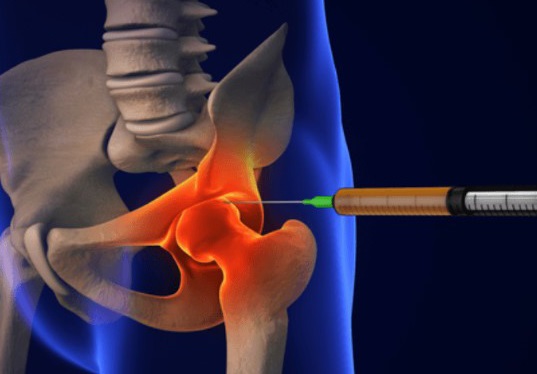 Stem cells may protect hip bones from steroid damage by restoring blood flow and preventing cell death
Understanding a Silent but Serious Bone Disease
Stem cells may protect hip bones from steroid damage by restoring blood flow and preventing cell death
Understanding a Silent but Serious Bone Disease
Steroid-induced osteonecrosis of the femoral head is a condition where blood supply to the hip bone becomes disrupted, causing the bone tissue to die and eventually collapse. This often leads to severe pain and loss of mobility. Steroids, while widely used to treat inflammation and autoimmune diseases, are one of the leading causes of this condition.
Researchers from the Department of Orthopedics Surgery at Renmin Hospital of Wuhan University in China explored a promising solution using human umbilical cord mesenchymal stem cells, also known as hUC-MSCs. These cells are known for their ability to repair damaged tissues and improve healing.
How Stem Cells Help Protect the Hip
The study used both animal models and lab experiments to understand how these stem cells work. Mice treated with steroids showed severe damage in the hip bone, including weakened structure and reduced blood vessel formation. However, when treated with hUC-MSCs, the bone structure improved significantly, and new blood vessels began to form.
This is important because healthy blood flow is essential for keeping bone tissue alive. The treated mice showed stronger, more organized bone architecture and fewer signs of bone death.
Fighting Cellular Damage at the Root
The researchers discovered that steroids trigger a harmful process called ferroptosis, a type of cell death caused by iron buildup and oxidative stress. This process damages the cells that line blood vessels inside the bone, cutting off circulation.
In laboratory experiments, cells exposed to steroids showed high levels of harmful molecules and reduced ability to grow and form new blood vessels. But when hUC-MSCs were introduced, these damaging effects were reversed. The stem cells reduced oxidative stress, restored protective antioxidants, and prevented cell death.
A Key Role for the Hippo Pathway
One of the most exciting findings involved a cellular signaling system known as the Hippo pathway. Steroids were found to disrupt this pathway, leading to increased cell damage and reduced blood vessel growth.
The stem cells worked by stabilizing this pathway, preventing harmful changes and promoting healing. They boosted the production of proteins linked to blood vessel formation, helping restore circulation in the damaged bone.
Safety and Future Potential
Importantly, the study also found that repeated injections of these stem cells did not cause harmful side effects in major organs or trigger immune reactions in the test animals. This suggests the treatment could be safe for future human use, though more research is needed.
&
;nbsp;
Conclusion
This
Medical News report highlights a significant step forward in understanding and potentially treating steroid-induced bone damage. The study shows that hUC-MSCs not only protect bone structure but also restore blood supply by preventing cell death and supporting vascular repair. These findings open the door to new therapies that could delay or even prevent the need for hip replacement surgery. However, further clinical trials are essential to confirm long-term safety and effectiveness in humans before this treatment becomes widely available.
The study findings were published in the peer reviewed journal: Biomedicines.
https://www.mdpi.com/2227-9059/14/3/727
For the latest on stem cell treatments, keep on logging to Thailand
Medical News.
Read Also:
https://www.thailandmedical.news/articles/stem-cell-therapies




 Share
Share
 Tweet
Tweet
 Share
Share