Nikhil Prasad Fact checked by:Thailand Medical News Team Apr 08, 2026 4 months, 3 weeks, 3 days, 18 hours, 25 minutes ago
Medical News: A naturally occurring molecule inside the human body is now drawing major scientific attention for its powerful effects on aging, inflammation, and even chronic disease. Known as alpha-ketoglutarate (AKG), this compound plays a central role in how cells produce energy and respond to stress. New research is revealing that its influence extends far beyond basic metabolism, potentially opening doors to new therapies for a wide range of conditions.
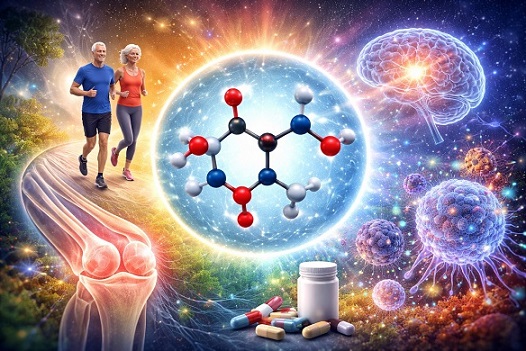 A natural cellular molecule shows promise in slowing aging and reducing inflammation across
multiple body systems
What Is AKG and Why It Matters
AKG is a key component of the body’s energy system, specifically within the tricarboxylic acid cycle, which helps cells generate fuel. But scientists now understand that AKG is not just about energy. It also acts as a signaling molecule, helping cells regulate inflammation, repair damage, and even control how genes are switched on or off.
Researchers from the Department of Orthopaedics at Emory University School of Medicine in the United States explain that AKG connects multiple critical processes inside the body. These include mitochondrial function, immune response, and epigenetic regulation, which determines how genes behave without changing DNA itself.
A Powerful Anti-Inflammatory Agent
One of the most exciting discoveries is AKG’s ability to reduce chronic inflammation. It works by lowering harmful molecules known as reactive oxygen species and suppressing inflammatory pathways such as NF-kB. At the same time, it encourages the activity of anti-inflammatory immune cells.
This
Medical News report highlights that AKG can shift immune cells called macrophages from a pro-inflammatory state to a healing, anti-inflammatory state. This balance is crucial in conditions like arthritis, where inflammation damages joints over time.
In laboratory and animal studies, AKG was shown to reduce inflammatory chemicals while promoting tissue repair. It also helped maintain healthier cartilage and reduced joint degradation, suggesting potential benefits for people with osteoarthritis and autoimmune diseases.
Role In Aging and Longevity
Another remarkable finding is AKG’s connection to aging. Levels of this molecule naturally decline as people grow older, which may contribute to age-related diseases and reduced cellular function.
Studies have shown that supplementing AKG can improve markers linked to longevity. In animal models, it reduced age-related inflammation, improved physical function, and even extended lifespan. These effects are believed to be linked to its ability to regulate pathways such as mTOR, which plays a key role in aging and metabolism.
AKG also helps maintain a more “youthful” cellular environment by influencing gene activity through epigenetic mechanisms. This means it may help cells function more efficiently even as the body ages.
gt;
Surprising Effects on Brain and Cancer
AKG’s benefits are not limited to inflammation and aging. In the brain, it serves as a building block for important neurotransmitters like glutamate and GABA, which are essential for memory and nerve function. It also helps protect brain cells from oxidative stress and damage.
However, researchers caution that AKG’s role in diseases like cancer is complex. In some cases, it may help suppress tumor growth by correcting harmful metabolic imbalances. In others, cancer cells may use AKG to fuel their growth. This dual role means more research is needed before it can be widely used in cancer treatment.
Potential As a Dietary Supplement
AKG is already being explored as a dietary supplement, often combined with other compounds such as calcium or arginine. Early studies suggest it may improve immune health, support muscle function, and enhance overall metabolic balance.
Different forms of AKG, including ornithine alpha-ketoglutarate, have shown promise in reducing inflammation and improving gut health in both animal and human studies. However, scientists emphasize that more clinical trials are needed to determine the safest and most effective forms and dosages.
Conclusion
The growing body of research suggests that AKG is far more than a simple metabolic compound. It acts as a central regulator linking energy production, inflammation control, and genetic activity. Its ability to influence such a wide range of biological processes makes it a highly promising target for future therapies. However, its effects can vary depending on the condition and cellular environment, meaning careful research is still required before widespread medical use. With further study, AKG could become a key player in treating aging-related diseases, chronic inflammation, and metabolic disorders.
The study findings were published in the peer reviewed journal: Biomedicines.
https://www.mdpi.com/2227-9059/14/4/836
For the latest anti-aging and anti-inflammatory solutions, keep on logging to Thailand
Medical News.
Read Also:
https://www.thailandmedical.news/articles/anti-aging




 Share
Share
 Tweet
Tweet
 Share
Share