From HAND to SAND: Is COVID-19 Especially Its Spike Proteins a Time Bomb for the Aging Brain?
Nikhil Prasad Fact checked by:Thailand Medical News Team Sep 15, 2026 1 hour, 5 minutes ago
COVID-19 may leave behind more than respiratory damage and temporary illness. A major scientific review warns that the long-term neurological consequences of SARS-CoV-2 infection could collide with the biological processes of aging, potentially creating a growing brain-health challenge as millions of previously infected people become older.
 Researchers are investigating whether SARS-CoV-2 and its spike proteins could interact with inflammation,
cellular aging and neurodegenerative processes to increase the long-term neurological burden of COVID-19.
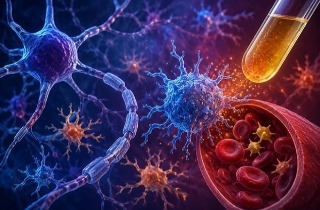
Of particular concern is the SARS-CoV-2 spike protein, especially its S1 subunit. Although evidence that large amounts of intact SARS-CoV-2 routinely invade and persist in the human brain remains limited, viral proteins may be able to reach the brain and interfere with processes involving inflammation, energy production, cellular waste disposal and communication between neurons.
The review proposes a new term—SARS-CoV-2 Associated Neurological Disorder, or “SAND”—for neurological, cognitive and psychiatric manifestations of Long COVID associated with cerebral dysfunction. The terminology deliberately parallels HIV-Associated Neurological Disorder, or HAND.
The review was authored by Mark J. Millan of the School of Cardiovascular and Metabolic Health, College of Medicine, Veterinary and Life Sciences, Glasgow University, Scotland.
From HAND to a new concept called SAND
HIV and SARS-CoV-2 are very different viruses, but their longer-term neurological consequences may share important biological features.
HIV can enter the brain, infect cells including microglia and establish reservoirs that can remain despite effective antiretroviral therapy. By comparison, the evidence for substantial quantities of intact SARS-CoV-2 persisting and replicating in human brain tissue is much weaker.
That distinction is crucial. The neurological effects of COVID-19 therefore may not require widespread infection of neurons by the intact virus. Instead, the review argues that inflammation generated elsewhere in the body, disruption of protective brain barriers and the biological activity of viral proteins—including the S1 spike protein—could contribute to continuing cerebral dysfunction.
This may help explain why patients can experience brain fog, memory problems, reduced concentration, fatigue, sleep disturbances and other neurological symptoms long after the acute infection has passed.
Why the spike protein is attracting attention
The spike protein is best known as the prominent surface structure SARS-CoV-2 uses during infection. Its S1 subunit contains the receptor-binding domain needed to recognize ACE2 and other factors involved in viral entry.
The review highlights a potentially important difference between the whole virus and its individual proteins: even if intact SARS-CoV-2 has only limited access to the brain, the S1 spike protein appears more capable of crossing biological barriers and potentially reaching cerebral tissue.
The researchers describe evidence that S1 can cross and d
isrupt the blood-brain barrier. Once inside the brain, it may interact with ACE2 and other molecular targets and contribute to inflammation, cognitive dysfunction and disturbances involving neurotoxic proteins.
This does not establish that spike protein causes dementia in people who have had COVID-19. Rather, it identifies plausible biological pathways that could become particularly important when superimposed on an already aging or neurologically vulnerable brain.
The brain’s protective barrier may become part of the problem
The blood-brain barrier, or BBB, is a tightly regulated interface that helps protect brain tissue from potentially harmful substances circulating in the bloodstream.
COVID-19 can be associated with vascular inflammation and BBB abnormalities.
The review describes experimental evidence suggesting that S1 itself can provoke inflammatory responses at the BBB and impair the metabolic and protective functions of endothelial cells through mechanisms involving ACE2.
That could become increasingly important with age because the BBB naturally becomes more vulnerable in older people and in patients with neurodegenerative disorders.
The authors therefore raise the possibility of a damaging interaction: an aging BBB may be more susceptible to disruption, while barrier disruption could make it easier for inflammatory mediators and viral proteins to affect the brain.
Another protective interface, the blood-cerebrospinal-fluid barrier and its choroid plexus, may also be involved. Studies cited in the review have reported abnormalities of the choroid plexus following COVID-19, with enlargement 12 to 14 months after infection associated with cognitive deficits and structural abnormalities elsewhere in the brain.
Spike protein may activate the brain’s immune cells
One of the most detailed concerns involves microglia, the resident immune cells of the central nervous system.
Microglia normally perform essential protective and housekeeping functions. When chronically pushed into a pro-inflammatory state, however, they can release molecules capable of damaging neurons, synapses and surrounding tissue.
The review describes experiments in which S1 induced an inflammatory microglial phenotype and the release of MMP-9, an enzyme also implicated in BBB damage. The receptor-binding region of S1 has additionally been associated experimentally with microglial release of the inflammatory cytokine TNF-alpha.
Another potentially important pathway involves TLR4 and the NLRP3 inflammasome. Experimental administration of S1 has been associated with activation of this inflammatory machinery, neuroinflammation, synaptic injury and cognitive deficits.
This
Thailand Medical News report highlights why that mechanism could matter for aging: inflammasome activation and chronic microglial inflammation are also implicated in age-related cognitive deterioration and neurodegenerative disorders.
In other words, COVID-related inflammation and brain aging may be pushing some of the same biological buttons.
Could spike protein interfere with the brain’s energy supply?
Neurons are extraordinarily energy-demanding cells, making healthy mitochondria essential for normal brain function.
The review describes evidence of mitochondrial dysfunction after SARS-CoV-2 infection, including impaired energy generation. More specifically, experimental work found that S1 interfered with mitochondrial energy production and with the autophagic removal of damaged, depolarized mitochondria.
This combination could theoretically create a double burden. Cells may generate less energy while simultaneously becoming less efficient at removing defective mitochondria.
Such disturbances are particularly relevant to an aging brain because declining mitochondrial performance and increasing oxidative stress are already features associated with aging and several neurodegenerative conditions.
A disturbing connection with the brain’s waste-disposal system
Cells possess sophisticated housekeeping machinery for identifying, processing and eliminating damaged proteins, dysfunctional cellular components and other waste.
One important component is the autophagy-lysosomal network. The review points to evidence that SARS-CoV-2 proteins can interfere with this machinery. ORF3a, another protein encoded by the virus, has been reported to interrupt the fusion of autophagosomes with lysosomes and interfere with lysosomal acidification, potentially reducing the disposal of unwanted proteins.
S1 may attack the system through another route. Experimental findings suggest that S1 can disrupt endolysosomes in astrocytes, possibly through TLR7-related mechanisms, and promote a senescence-like state in these important brain-supporting cells.
Cellular senescence describes a state in which cells stop functioning and dividing normally but do not simply disappear. Senescent cells can produce inflammatory signals capable of affecting neighboring tissue. That connection is particularly striking because cellular senescence is itself a hallmark of aging.
Spike protein and the proteins linked to Alzheimer’s and Parkinson’s
Potential interference with protein disposal leads to another major concern: proteostasis, the mechanisms cells use to maintain proteins in their correct form and remove damaged ones.
The review describes evidence that S1 can promote abnormal phosphorylation and oligomerization of proteins including tau and alpha-synuclein. Tau abnormalities are strongly associated with Alzheimer’s disease and other tauopathies, while alpha-synuclein aggregation is a defining feature of Parkinson’s disease and related disorders.
This does not mean that spike exposure following infection inevitably produces Alzheimer’s or Parkinson’s disease.
The concern is subtler: if an aging brain is already becoming less efficient at controlling inflammation, maintaining mitochondrial function and disposing of abnormal proteins, another biological stressor affecting those same systems could potentially lower neurological resilience.
Recent research outside the Glasgow review similarly describes COVID-19 spike viral proteins as potential drivers of converging pathways involving glial inflammatory signaling and disturbed proteostasis, although this remains an evolving mechanistic framework rather than proof that spike protein causes human neurodegenerative disease.
The hippocampus may be especially important
The hippocampus plays a central role in learning and memory, making experimental findings involving this region particularly relevant to reports of brain fog and memory impairment.
In one mouse experiment discussed in the review, administration of S1 into the hippocampus caused neuronal loss and cognitive deficits. The neuronal damage appeared downstream of microglial activation and release of the inflammatory molecule interleukin-1 beta.
Again, animal experiments cannot establish that the same process occurs to the same extent in people following ordinary SARS-CoV-2 infection. They do, however, provide possible mechanisms that researchers can investigate in patients.
Why older brains may be more vulnerable
Perhaps the most consequential question is what happens when these mechanisms meet an aging brain.
The review notes that ACE2—the principal receptor targeted by SARS-CoV-2 spike protein—is present in several brain regions, including the brainstem, cortex, thalamus, hippocampus and limbic system.
Studies discussed by Millan also indicate altered ACE2 expression in Alzheimer’s disease. In experimental models, S1 generated stronger neuroinflammation in older mice overexpressing beta-amyloid than in control animals. Animals expressing human tau also showed greater vulnerability to altered neuronal firing after exposure to SARS-CoV-2 virus-like particles.
These findings support the review’s central “collision course” hypothesis: processes triggered by SARS-CoV-2 may overlap with biological mechanisms already operating during aging, potentially amplifying their effects rather than acting independently.
The review also cites evidence of telomere shortening, immune-system changes resembling immunosenescence and senescent cells in brain tissue following COVID-19. S1 itself has experimentally induced a senescence-like state in astrocytes, partly through disruption of lysosomal function.
Long COVID could expose the long-term neurological legacy
Long COVID can involve cognitive impairment, poor concentration, slowed information processing, memory problems, extreme fatigue, sleep disruption, headaches, anxiety and depressed mood.
These symptoms can persist long after the initial respiratory infection and are not confined to people who experienced severe acute COVID-19.
A broader 2026 review in Nature Reviews Neurology similarly concluded that cognitive, fatigue and sleep-related symptoms can persist for 12 to 24 months or longer and identified viral persistence, immune dysregulation, neuroinflammation, microvascular injury, gut-brain disturbances and structural or functional brain changes among the mechanisms under investigation.
Millan argues that grouping the brain-related component of this syndrome under the term SAND could encourage more focused research and draw attention to the lessons already learned from HAND.
The crucial question of persistence
One unanswered question is whether viral proteins or antigens can persist long enough to maintain abnormal immune activity.
The Glasgow review discusses evidence that SARS-CoV-2 RNA and proteins may remain in some tissues after acute infection, although the biological importance of these possible reservoirs is still being determined.
More recent research has intensified interest in this question. A 2026 review focused specifically on spike protein and Neuro-COVID described evidence of persistent circulating spike antigen in a subset of patients and proposed that persistent spike could interact with immune cells and contribute to continuing neuroinflammation. However, its authors emphasized that rigorous clinical and translational studies are still required before such mechanisms can guide clinical treatment.
That distinction is important. Detecting viral antigen does not automatically demonstrate that it is responsible for a patient’s symptoms.
SAND is a warning hypothesis—not a prediction of inevitable dementia
The term “time bomb” captures the concern raised by the review, but it should not be interpreted literally.
There is no evidence that every person who has had COVID-19 is destined to experience accelerated brain aging, Alzheimer’s disease or Parkinson’s disease.
SARS-CoV-2 has circulated in humans for only several years. Researchers therefore do not yet have the decades of longitudinal observations required to determine its lifetime neurological consequences.
What they do have is an increasingly detailed biological warning signal.
Neuroinflammation, microglial activation, BBB dysfunction, mitochondrial impairment, cellular senescence, impaired protein clearance, tau abnormalities, alpha-synuclein aggregation and synaptic dysfunction all intersect to varying degrees with mechanisms already implicated in aging and neurodegeneration.
Human neuropathology studies also support parts of this broader picture. A 2026 review of postmortem COVID-19 brains reported fluid-brain-barrier disruption, vascular abnormalities, neuroinflammation, neuronal injury and protein aggregation, while emphasizing that the mechanisms underlying persistent neurological symptoms and future neurodegenerative risk remain incompletely understood.
No specific treatment for SAND yet
There is currently no established treatment specifically targeting SAND.
Management of Long COVID remains largely individualized and symptom-focused, while researchers investigate immunological, neurological, vascular, metabolic and other mechanisms.
The Glasgow review emphasizes the need for robust biomarkers that could identify people at greatest risk, distinguish different forms of Long COVID, track neurological changes and determine whether future therapies actually alter the underlying disease processes rather than merely reducing symptoms.
It also calls for sustained research comparing SAND with HAND, normal aging, Alzheimer’s disease, Parkinson’s disease and other post-infectious neurological syndromes.
Conclusions
The central warning emerging from the research is not that SARS-CoV-2 or its spike protein has been proven to cause dementia. Rather, the concern is that infection may disturb several of the same biological systems that become increasingly vulnerable as the brain ages. The S1 spike protein is particularly intriguing because experimental evidence indicates that it can affect the blood-brain barrier, activate inflammatory microglia, interfere with mitochondrial function and cellular waste disposal, promote astrocyte senescence and influence proteins associated with neurodegeneration.
If some of these disturbances persist in susceptible individuals, their interaction with normal aging could potentially magnify cognitive and neurological problems years later. Determining whether that actually happens will require long-term human studies, reliable biomarkers and careful separation of association from causation. The experience with HIV and HAND provides a powerful reason not to wait decades before investigating the possibility.
The study findings were published in the peer reviewed journal: Neuroscience Applied.
https://www.sciencedirect.com/science/article/pii/S2772408526001432
Read Also:
https://www.thailandmedical.news/articles/long-covid
https://www.thailandmedical.news/articles/coronavirus




 Share
Share
 Tweet
Tweet
 Share
Share