Breakthrough Study Shows Drug Can Prevent Vision Loss Due to Retinal Injury in Cases like Glaucoma
Nikhil Prasad Fact checked by:Thailand Medical News Team Mar 23, 2026 5 months, 1 week, 3 days, 18 hours, 24 minutes ago
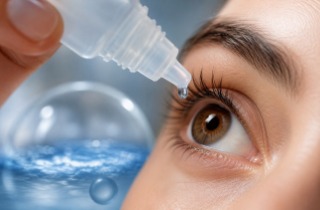
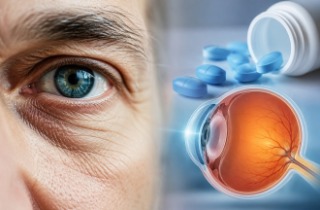
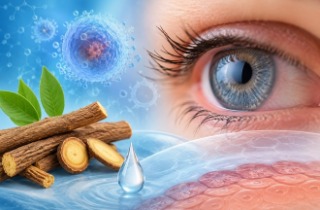
Medical News: A new scientific breakthrough is offering fresh hope to millions at risk of blindness, as researchers discover a powerful compound that can protect delicate eye cells from damage. The study reveals that a molecule called Liproxstatin-1 can significantly reduce vision loss caused by retinal injury, a key factor in diseases like glaucoma.
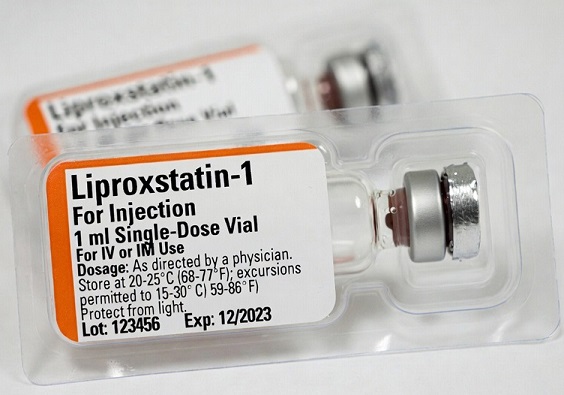 New compound protects retinal cells and may help prevent blindness
Understanding Vision Loss at Its Root
New compound protects retinal cells and may help prevent blindness
Understanding Vision Loss at Its Root
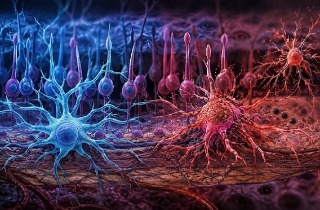
Vision loss in many eye diseases occurs when retinal cells, especially retinal ganglion cells, begin to die. These cells are essential for transmitting visual information from the eye to the brain. Once lost, they cannot regenerate, making early protection critical.
One major cause of this damage is a process known as ischemia–reperfusion injury. This happens when blood supply to the eye is temporarily cut off and then restored, triggering a surge of harmful oxidative stress. This stress damages cells and activates a destructive process called ferroptosis, a form of cell death linked to iron buildup and lipid damage.
This
Medical News report highlights how targeting ferroptosis could be a game changer in preventing blindness.
The Drug That Blocks Cell Death
Researchers tested Liproxstatin-1, a compound known to block ferroptosis, using both animal models and lab-grown retinal cells. The results were striking. Mice treated with the compound showed significantly less damage to retinal structure. Important layers of the retina remained thicker and healthier compared to untreated subjects. Even more impressive, visual function improved, as measured by electrical responses in the eye.
At the cellular level, the drug worked by stopping the buildup of harmful molecules and restoring the eye’s natural antioxidant defenses. It also reduced iron overload, a key trigger for ferroptosis.
A Key Molecular Pathway Identified
The study uncovered a crucial biological pathway behind the damage. A protein called EGR1 was found to play a central role in triggering cell death. When activated, EGR1 increases another protein, p53, which then suppresses a protective molecule known as xCT.
This chain reaction weakens the cell’s ability to fight oxidative stress, leading to ferroptosis.
Liproxstatin-1 interrupts this process. It reduces EGR1 and p53 activity while restoring xCT levels, effectively shutting down the destructive pathway. When researchers directly blocked EGR1 using genetic techniques, they observed similar protective effects, confirming its importance.
Reduced Inflammation and Oxidative Damage
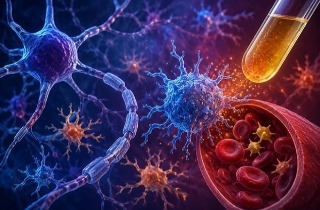
Beyond preventing cell death, the compound also reduced inflammation in the retina. Activated immune cells and stress-related proteins were significantly lower in treated subjects. This suggests the drug not only protects cells but
also calms the damaging environment inside the eye.
Markers of oxidative stress and lipid damage were dramatically reduced, while protective proteins were restored. This combination of effects provides a strong defense against multiple forms of injury.
What This Means for Future Treatments
The findings suggest that Liproxstatin-1 or similar drugs could form the basis of new treatments for glaucoma and other vision-threatening conditions. By targeting ferroptosis at its source, scientists may finally have a way to slow or even prevent irreversible blindness.
The research was conducted by scientists from the State Key Laboratory of Ophthalmology, Zhongshan Ophthalmic Center, Sun Yat-sen University, and the Guangdong Provincial Key Laboratory of Ophthalmology Visual Science in Guangzhou, China.
Conclusion
This study provides compelling evidence that ferroptosis is a major driver of retinal damage and vision loss, and that targeting it can deliver meaningful protection. By identifying the EGR1–p53–xCT pathway as a critical control point, researchers have opened the door to highly targeted therapies. The ability of Liproxstatin-1 to preserve both retinal structure and function, reduce inflammation, and restore antioxidant balance highlights its strong clinical potential. While further human studies are needed, these findings mark a significant step toward preventing blindness in millions of people worldwide.
The study findings were published in the peer reviewed journal: Antioxidants.
https://www.mdpi.com/2076-3921/15/3/391
For the latest on treating retinal injury, keep on logging to Thailand
Medical News.
Read Also:
https://www.thailandmedical.news/articles/glaucoma-news
https://www.thailandmedical.news/articles/ophthalmology-(eye-diseases)
https://www.thailandmedical.news/articles/med-news
Medical Disclaimer: All content published by Thailand Medical News is based on scientific research and is intended for informational and educational purposes only. It is not medical advice, diagnosis, or treatment. Readers must not attempt to use, apply, or experiment with any protocols, compounds, or therapies mentioned without first consulting a qualified and licensed medical doctor. Many findings discussed are experimental or preliminary, and only a licensed healthcare professional can determine what is safe and appropriate for an individual’s specific medical condition.




 Share
Share
 Tweet
Tweet
 Share
Share