Nikhil Prasad Fact checked by:Thailand Medical News Team Jul 17, 2026 1 month, 2 weeks, 3 days, 1 hour, 34 minutes ago
Medical News: Taiwan has confirmed its first imported case of Zika virus infection for 2026 after a Taiwanese man in his 30s returned from Thailand and later developed symptoms associated with the mosquito-borne disease. The announcement, made by Taiwan's Centers for Disease Control (CDC), has prompted renewed calls for travelers to remain vigilant as Zika virus continues to circulate in several countries despite a decline in global case numbers.
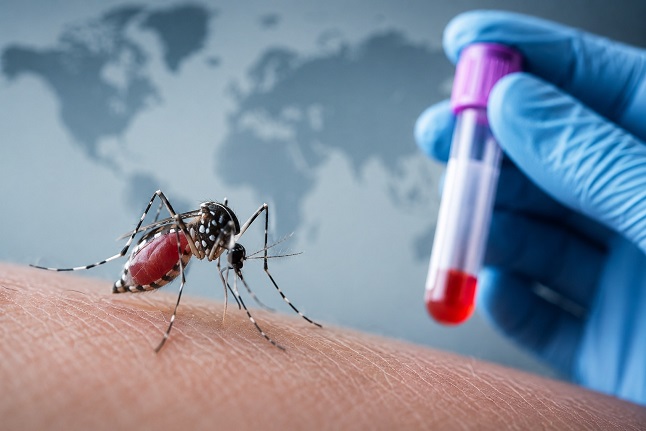 Taiwan reports its first imported Zika virus infection of 2026 in a traveler returning from Thailand
Traveler Developed Symptoms After Returning Home
Taiwan reports its first imported Zika virus infection of 2026 in a traveler returning from Thailand
Traveler Developed Symptoms After Returning Home
According to the Taiwan CDC, the patient returned from Thailand in mid-June. Shortly after arriving home, he began experiencing fever, dizziness, and headache. Several days later, he developed a skin rash and sought medical attention. Laboratory testing subsequently confirmed that he was infected with the Zika virus.
Following confirmation of the diagnosis, health authorities immediately launched contact tracing and public health investigations. Officials reported that the patient's household members and other close contacts remain asymptomatic. They have received information on Zika virus prevention, while environmental mosquito control measures have also been carried out around locations linked to the patient to reduce any potential risk of transmission.
This
Medical News report underscores the continued importance of surveillance for imported mosquito-borne diseases, particularly as international travel continues to increase.
All Zika Cases in Taiwan Have Been Imported
Since 2016, Taiwan has confirmed a total of 31 Zika virus infections, with every case classified as imported rather than locally acquired. Epidemiological data show that Southeast Asia has been the primary source of these infections, accounting for approximately 81 percent of all confirmed cases.
Among affected countries, Thailand has been linked to the highest number of imported cases, with eight infections, followed by Vietnam with six. The Philippines, Myanmar, and Malaysia have each been associated with three imported cases, while the Maldives has accounted for two.
Health Officials Continue to Warn Travelers
Zika virus transmission has been reported in at least 97 countries since 2016. Although worldwide infection rates remain far below the peak recorded during the major outbreaks several years ago, the virus continues to circulate in endemic regions. Health authorities also note that nearly 80 percent of infected individuals never develop symptoms, making surveillance and early detection more challenging.
When symptoms do occur, they are generally mild and include fever, rash, headache, joint pain, and muscle aches. However, infection during pregnancy remains a major concern because the virus can cause devastating complications, including microcephaly and fetal death. In addition to mosquito bites, Zika virus can also spread through sexual contact and from an infe
cted mother to her unborn child.
Prevention Remains the Best Defense
Taiwan's CDC advises pregnant women and women planning pregnancy to postpone travel to areas where Zika virus is circulating. Travelers who must visit affected regions should protect themselves by wearing light-colored long-sleeved clothing, applying government-approved mosquito repellents, and staying in accommodations fitted with window screens or air conditioning. Anyone returning from a Zika-affected country who develops symptoms within two weeks should seek medical care immediately and inform healthcare providers about their recent travel history.
Taiwan's latest imported case serves as a timely reminder that although global Zika activity has declined significantly, the virus remains an ongoing international public health concern. Continued surveillance, rapid laboratory diagnosis, mosquito control measures, and heightened traveler awareness will remain essential to preventing imported infections from leading to local transmission and to protecting pregnant women and unborn children from the virus's potentially devastating consequences.
Reference:
https://www.cdc.gov.tw/Bulletin/Detail/d7zqkmZ4Vyj5z0lZ-Ue7PA?typeid=9
For the latest on Zika virus infections, keep on logging to Thailand
Medical News.
Read Also:
https://www.thailandmedical.news/news/zika-virus-uses-human-protein-rnf6-to-invade-the-brain




 Share
Share
 Tweet
Tweet
 Share
Share