Nikhil Prasad Fact checked by:Thailand Medical News Team May 31, 2026 3 months, 2 days, 19 hours, 36 minutes ago
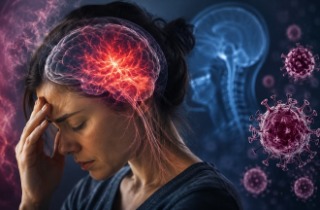
Medical News: A growing body of scientific evidence suggests that the future of mental health treatment may lie not only in the brain but also in the gut. Researchers are increasingly focusing on special beneficial bacteria known as psychobiotics that can produce gamma-aminobutyric acid (GABA), one of the most important neurotransmitters involved in calming the nervous system. A new scientific review is shedding light on how these microorganisms may help regulate mood, reduce stress, and potentially support the treatment of anxiety and depression through the gut-brain connection.
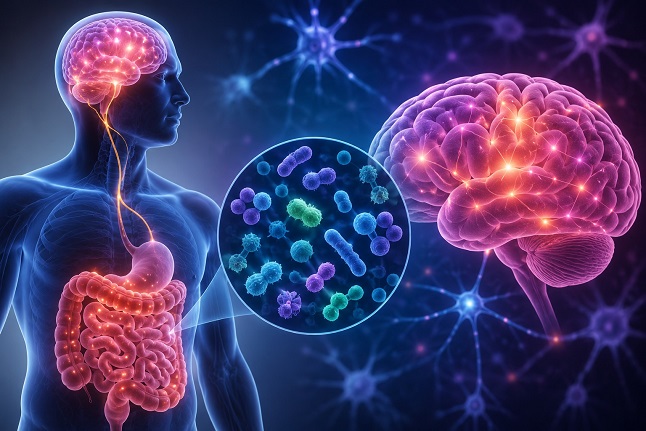 Scientists are uncovering how GABA-producing psychobiotics may help reduce stress, improve mood, and strengthen
the gut-brain connection
The study was conducted by researchers from the Department of Biotechnology, the Department of Dairy Biotechnology, and the Department of Microbiology at the Prof. Wacław Dąbrowski Institute of Agricultural and Food Biotechnology–State Research Institute in Warsaw, Poland.
Understanding the Gut-Brain Connection
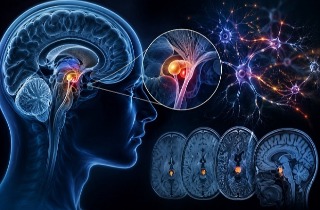
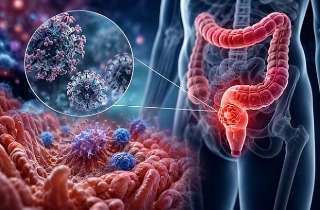
The human digestive system is home to trillions of microorganisms collectively known as the gut microbiota. Over the last decade, scientists have discovered that these microbes play a much larger role in health than previously imagined. Beyond aiding digestion and supporting immunity, gut bacteria are now known to communicate directly with the brain through a complex network called the microbiota-gut-brain axis.
This communication system relies on nerve signals, hormones, immune messengers, and a variety of chemical compounds produced by gut microbes. When the balance of gut bacteria becomes disrupted, a condition known as dysbiosis can develop. Research has linked dysbiosis to a wide range of health issues, including inflammatory diseases, metabolic disorders, anxiety, depression, and other neuropsychiatric conditions.
Scientists now believe that maintaining a healthy and diverse gut microbiome may be essential for preserving both physical and mental well-being.
Why GABA Is So Important
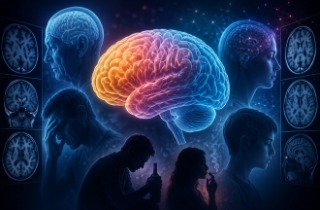
GABA is the brain's primary inhibitory neurotransmitter. Its main role is to prevent excessive activity in nerve cells and maintain balance within the nervous system. Healthy GABA signaling helps promote relaxation, emotional stability, quality sleep, and stress resilience.
When GABA activity is reduced, the nervous system can become overactive. Numerous studies have associated low GABA levels or impaired GABA signaling with anxiety disorders, depression, chronic stress, mood disturbances, and even neurological disorders such as epilepsy.
Interestingly, GABA is not only important in the brain. It also plays a significant role in the digestive system, where it helps regulate intestinal movement, supports the integrity of the gut barrier, and influences communication between the gut and the central nervous system.
Gut Bacteria That Produce Their Own GABA
One of the most exciting findings highlighted in the review is that several beneficial bacterial species naturally produce GABA. These bacteria use a specialized enzyme syst
em that converts glutamate, an amino acid found in many foods, into GABA.
Among the most important GABA-producing microbes identified are species belonging to the genera Lactobacillus, Bifidobacterium, and Bacteroides. Certain strains isolated directly from the human gut demonstrated remarkable abilities to generate large amounts of GABA.
Examples include Bifidobacterium adolescentis, Bifidobacterium dentium, Lactiplantibacillus plantarum, Levilactobacillus brevis, Lactococcus garvieae, and several Bacteroides species. Some strains were able to convert nearly all available glutamate into GABA under laboratory conditions.
The researchers also found that many powerful GABA-producing strains originate from fermented foods such as kimchi, traditional cheeses, kefir, fermented vegetables, fermented fish products, and other naturally fermented foods consumed around the world.
How Psychobiotics May Improve Mental Health
The ability of these bacteria to influence mental health extends far beyond simple GABA production. Scientists believe psychobiotics work through several interconnected pathways within the gut-brain axis.
These beneficial microbes can help regulate inflammation throughout the body by reducing harmful inflammatory molecules while increasing protective anti-inflammatory compounds. Since chronic inflammation has been linked to depression and anxiety, this effect may be particularly important.
Psychobiotics may also strengthen the intestinal barrier, helping prevent unwanted toxins and inflammatory substances from entering the bloodstream. This can reduce systemic inflammation and improve communication between the gut and brain.
This
Medical News report notes that many GABA-producing psychobiotics also generate short-chain fatty acids and other biologically active molecules that help regulate immune function, hormone signaling, neurotransmitter production, and stress responses.
The review also discusses evidence suggesting that certain psychobiotic strains can increase serotonin and dopamine levels. These neurotransmitters play essential roles in mood regulation, motivation, pleasure, and emotional well-being. As a result, psychobiotics may influence multiple brain pathways simultaneously rather than targeting a single neurotransmitter system.
Functional Foods May Become Mental Health Tools
The findings are also fueling interest in developing functional foods enriched with GABA-producing bacteria. Researchers believe specially designed fermented foods may eventually provide an accessible way to support mental health naturally.
Several strains isolated from cheeses, fermented vegetables, and dairy products have already demonstrated impressive GABA-producing capabilities. Future food products may be specifically formulated to deliver psychobiotic benefits while also improving gut health.
Conclusion
The new review highlights the tremendous potential of GABA-producing psychobiotics as a novel approach to supporting mental health. By producing neuroactive compounds, strengthening gut barrier function, reducing inflammation, and influencing key neurotransmitters such as GABA, serotonin, and dopamine, these beneficial microbes may help improve communication between the gut and brain. Although more human clinical trials are still needed before definitive therapeutic recommendations can be made, the evidence gathered so far suggests that psychobiotics could eventually become an important addition to strategies aimed at reducing anxiety, depression, and stress-related disorders. Their ability to influence multiple biological pathways simultaneously makes them one of the most promising emerging areas in neuroscience, microbiome science, and mental health research.
The study findings were published in the peer reviewed International Journal of Molecular Sciences.
https://www.mdpi.com/1422-0067/27/11/4969
For the latest on Psychobiotics, keep on logging to Thailand
Medical News.
Read Also:
https://www.thailandmedical.news/articles/mental-health




 Share
Share
 Tweet
Tweet
 Share
Share