Nikhil Prasad Fact checked by:Thailand Medical News Team Feb 10, 2026 6 months, 2 weeks, 6 days, 18 hours, 7 minutes ago
Medical News: A Growing Health Problem Needs New Solutions
Genitourinary diseases, which affect the kidneys, bladder, prostate, and reproductive organs, are increasing worldwide and placing a heavy burden on healthcare systems. Conditions such as urinary tract infections, kidney stones, prostatitis, benign prostate enlargement, bladder inflammation, and vaginal infections affect millions of people and often require long-term treatment. Many current therapies rely heavily on antibiotics or drugs that may cause side effects or contribute to drug resistance. This
Medical News report highlights new scientific findings suggesting that natural plant compounds may offer supportive benefits in managing these conditions.
 Polyphenols Show New Promise for Urinary Health Care
The Study and Who Conducted It
Polyphenols Show New Promise for Urinary Health Care
The Study and Who Conducted It
Researchers from the Department of Pharmacy at the University of Pisa, Italy, the Interdepartmental Research Center Nutrafood at the University of Pisa, and BIOENUTRA Srl in Ginosa, Italy, carried out a large systematic review to better understand whether plant-based compounds could help protect genitourinary health. The research team carefully analyzed both animal and human studies to assess real-world relevance.
What Are Polyphenols and Isothiocyanates
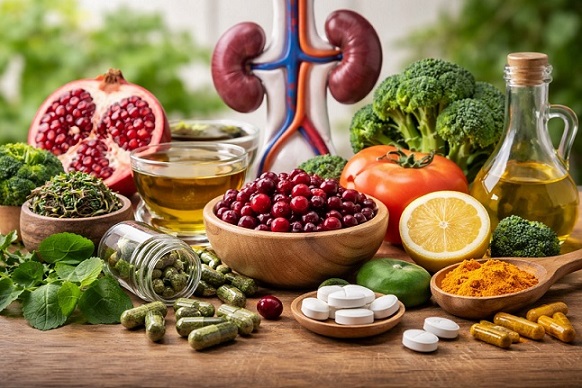
Polyphenols are natural compounds found in fruits, vegetables, tea, and plant extracts such as grapes, apples, onions, tomatoes, green tea, and cranberries. Isothiocyanates are derived mainly from vegetables like broccoli and rocket salad. Both groups are known for antioxidant and anti-inflammatory effects, which are important because inflammation and oxidative stress play a key role in many urinary and reproductive diseases.
Key Findings from Animal Studies
The review included 27 animal studies and found that polyphenols such as resveratrol, quercetin, epigallocatechin gallate, and caffeic acid helped reduce kidney injury, inflammation, and stone formation in models of kidney stones and urinary disorders. In prostate-related conditions, these compounds reduced prostate swelling, inflammation, and tissue damage. Some polyphenols also improved bladder health by lowering inflammation and oxidative stress.
Isothiocyanates were studied less often, but early findings suggested possible benefits in prostate enlargement, kidney inflammation, and urinary control.
Evidence From Human Clinical Studies
Sixteen clinical studies were reviewed, focusing mainly on polyphenol-rich foods and supplements. Cranberry extracts and juices reduced urinary tract infection recurrence and helped prevent bacteria from sticking to the urinary tract. Green tea polyphenols improved kidney markers in people with diabetes-related kidney issues. Tomato and pomegranate extracts showed potential benefits for prostate symptoms and kidney stone risk. Vaginal health also improved in some studies using polyphenol-based products, with reduced infections and improved comfort.
Why These Findings Matter
The re
sults suggest that polyphenols may support genitourinary health by reducing inflammation, fighting harmful microbes, and protecting tissues from damage. While these natural compounds are not replacements for medical treatment, they may serve as supportive options alongside standard care.
Conclusions And Future Outlook
Overall, the findings show strong early evidence that polyphenols, especially from foods and plant extracts, may help manage and reduce the burden of genitourinary diseases. However, larger and more carefully designed human trials are still needed to confirm effectiveness, determine proper doses, and ensure long-term safety before widespread clinical use can be recommended.
The study findings were published in the peer reviewed International Journal of Molecular Sciences.
https://www.mdpi.com/1422-0067/27/4/1660
For the latest on Urinary Health, keep on logging to Thailand
Medical News.
Read Also:
https://www.thailandmedical.news/articles/herbs-and-phytochemicals
https://www.thailandmedical.news/articles/nephrology-(kidneys)




 Share
Share
 Tweet
Tweet
 Share
Share

































