Millions Taking Common Painkillers May Be Unknowingly Damaging Their Small Intestine
Nikhil Prasad Fact checked by:Thailand Medical News Team Jul 07, 2026 1 month, 3 weeks, 5 days, 14 hours, 39 minutes ago
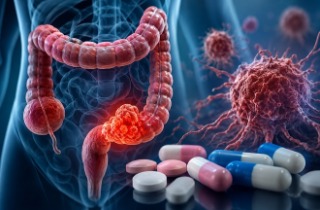
Medical News: A new review by researchers from Fondazione Poliambulanza Istituto Ospedaliero in Brescia, Italy, the University of Padova-Azienda Ospedaliera di Padova, Italy, and Cattolica del Sacro Cuore University in Rome, Italy has highlighted growing evidence that common painkillers known as non-steroidal anti-inflammatory drugs (NSAIDs) may silently damage the small intestine by disrupting the gut microbiome.
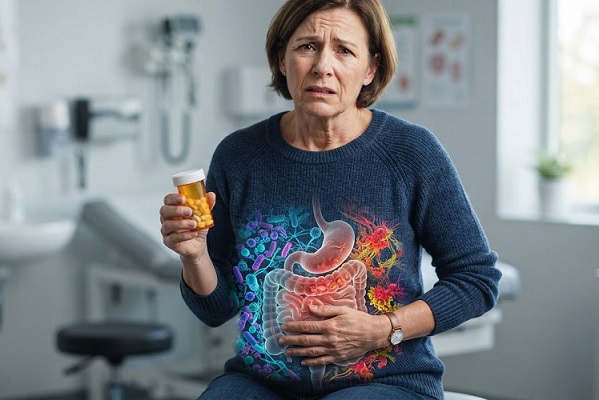 Scientists have uncovered how disrupted gut bacteria may silently drive serious small intestine damage in
millions of people taking common painkillers
NSAIDs, including widely used medicines such as ibuprofen, naproxen, diclofenac, aspirin, and indomethacin, are taken every day by millions of people to relieve pain, inflammation, and fever. While stomach ulcers linked to these drugs have long been recognized, researchers say injury to the small intestine is far more common than previously believed and often goes unnoticed.
Hidden Damage Can Develop Without Warning
Recent advances in capsule endoscopy have revealed that between 70 and 80 percent of long-term NSAID users develop some degree of injury to the lining of the small intestine. Surprisingly, damage can even occur after short-term use in otherwise healthy individuals. Because most people experience few or no symptoms, the condition frequently remains undiagnosed until complications arise.
When symptoms do appear, they may include unexplained anemia, protein loss, bloating, diarrhea, abdominal discomfort, or hidden intestinal bleeding. Around one percent of affected individuals develop serious complications such as intestinal bleeding, narrowing of the bowel, obstruction, or even perforation.
Gut Microbes Play a Bigger Role Than Expected
Unlike stomach ulcers, which are mainly caused by reduced protective prostaglandins and stomach acid, injury to the small intestine develops through a much more complex process. This
Medical News report highlights that one of the most important discoveries is the central role of gut bacteria.
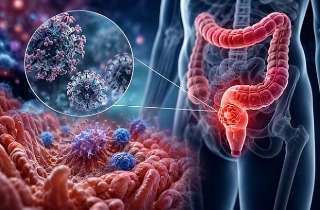
The review explains that NSAIDs weaken the intestinal lining, increase gut permeability, damage energy-producing structures inside cells, and trigger inflammation. These changes also disturb the balance of gut microbes, reducing beneficial bacteria that produce protective compounds while allowing harmful bacteria to flourish. Harmful bacterial toxins then activate immune pathways that further intensify inflammation and tissue injury.
Researchers also found that proton pump inhibitors, medicines commonly prescribed to protect the stomach from NSAID damage, may unintentionally worsen injury in the small intestine by altering the gut microbiome and encouraging bacterial imbalance.
New Therapies Could Target the Microbiome
The review points toward several promising approaches aimed at protecting the small intestine by restoring healthier gut bacteria.
Studies have shown that the antibiotic rifaximin
reduced intestinal injury in both laboratory studies and a clinical trial involving healthy volunteers. Certain probiotic strains, including specific Lactobacillus and Bifidobacterium species, also reduced intestinal inflammation and ulcers in both animal experiments and early human studies. Researchers further found that diets rich in fiber, resistant starch, omega-3 fatty acids, and plant compounds such as resveratrol may strengthen the intestinal barrier by supporting beneficial bacteria that produce anti-inflammatory short-chain fatty acids.
Other experimental strategies include blocking bacterial enzymes that reactivate NSAIDs inside the intestine, using beneficial microbial metabolites such as indole, and even fecal microbiota transplantation to restore a healthier microbial community. However, the researchers emphasize that most of these approaches still require larger human clinical trials before they can become routine treatments.
Looking Ahead
The researchers conclude that NSAID-induced intestinal injury has been greatly underestimated and that the gut microbiome is now recognized as a major factor influencing both the development and severity of this condition. Future therapies may move beyond simply protecting the stomach and instead focus on preserving the health of the intestinal microbiome, improving barrier function, and reducing inflammation. Well-designed human studies will now be essential to determine which microbiome-targeted therapies provide the greatest protection for the millions of people who rely on NSAIDs every year.
The study findings were published in the peer reviewed journal: Pharmaceuticals.
https://www.mdpi.com/1424-8247/19/7/1045
For the latest on the dangers of taking NSAIDs, keep on logging to Thailand
Medical News.
Read Also:
https://www.thailandmedical.news/articles/med-news
https://www.thailandmedical.news/articles/gastroenterology




 Share
Share
 Tweet
Tweet
 Share
Share