Thailand Medical Researchers Discover That the Phytochemical Dicentrine Shows Powerful Promise Against Lymphoma
Nikhil Prasad Fact checked by:Thailand Medical News Team Aug 04, 2026 1 hour ago
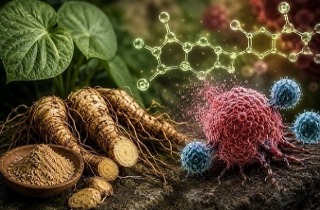
Researchers in Thailand have identified a phytochemical compound that could one day help fight lymphoma, a type of blood cancer that affects the body's infection-fighting lymphocytes. The study found that dicentrine, an alkaloid isolated from the medicinal plant Stephania venosa, was able to slow the growth of lymphoma cells, trigger their self-destruction, and selectively target cancer cells while causing much less damage to healthy immune cells.
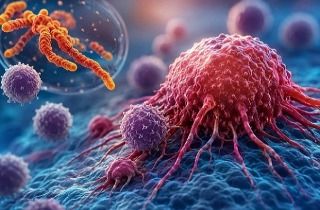
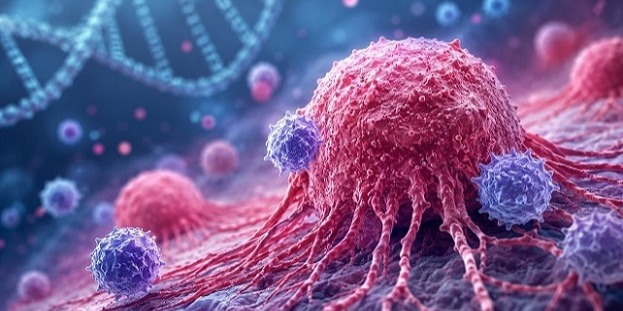
 Researchers discover that the natural plant compound dicentrine can slow lymphoma growth and trigger cancer
cell death while largely sparing healthy cells.
The research was conducted by
Thailand Medical scientists from the Department of Chemistry, Faculty of Science, Chiang Mai University; the Department of Medical Technology, Faculty of Associated Medical Sciences, Chiang Mai University; the Center of Excellence in Pharmaceutical Nanotechnology, Chiang Mai University; the Cancer Research Unit of Associated Medical Sciences, Chiang Mai University; and the Department of Pharmaceutical Sciences, Faculty of Pharmacy, Chiang Mai University, all in Chiang Mai, Thailand.
Why New Lymphoma Treatments Are Needed
Although treatments for lymphoma have improved significantly over the years, many patients still face recurring disease, drug resistance, and serious side effects from chemotherapy and other therapies. Scientists are therefore searching for safer, more targeted treatments, especially those derived from natural sources that may offer fewer toxic effects while remaining highly effective against cancer.
Dicentrine Emerges as the Most Potent Natural Compound
The researchers extracted five different alkaloids from the tubers of Stephania venosa and tested them against two aggressive human lymphoma cell lines known as Raji and Ramos. Among all the compounds examined, dicentrine clearly stood out as the strongest performer.
Importantly, dicentrine demonstrated a much greater ability to kill lymphoma cells than healthy peripheral blood immune cells. This selective activity suggests that the compound may have the potential to attack cancer while reducing unwanted damage to normal tissues, an important goal in cancer drug development.
Multiple Cancer Pathways Were Blocked
This Medical News report highlights that dicentrine did far more than simply slow cancer growth. The researchers found that it sharply reduced the activity of c-Myc, a protein that acts as a powerful driver of lymphoma growth. It also lowered phosphorylated c-Myc, the activated form of the protein that encourages rapid cancer cell multiplication.
The compound also reduced levels of Akt, another major protein involved in cancer cell survival. By suppressing these important signaling pathways, lymphoma cells lost their ability to multiply efficiently and became much more vulnerable to destruction.
Cancer Cells Stopped Growing and Began Dying
Further experiments revealed that dicentrine dramatically slowed lymphoma cell proliferation over
time. Instead of continuing to divide uncontrollably, the cancer cells became trapped at specific stages of the cell cycle, preventing further growth.
The exact stopping point differed between the two lymphoma cell types. Raji cells became arrested in the G0/G1 phase, while Ramos cells accumulated in the G2/M phase. These interruptions prevented normal cell division and prepared the cancer cells for programmed cell death, known as apoptosis.
The researchers also observed strong activation of cleaved caspase-3, one of the body's key proteins responsible for carrying out apoptosis. Molecular docking and network pharmacology analyses further suggested that dicentrine interacts with important cancer-related targets including Akt, PI3K, caspase-3, and caspase-9, supporting its ability to disrupt several survival pathways simultaneously.
Conclusions
The findings suggest that dicentrine, a natural alkaloid isolated from Stephania venosa, has considerable potential as a future anti-lymphoma therapy. By selectively targeting lymphoma cells, blocking critical cancer-promoting proteins such as c-Myc and Akt, halting cell division, and activating programmed cell death, the compound demonstrated several desirable characteristics of a promising anticancer candidate. While these encouraging results were obtained in laboratory cell studies and much more research, including animal studies and clinical trials, is still required, the work provides a strong scientific foundation for developing dicentrine into a novel plant-derived treatment for lymphoma.
The study findings were published in the peer reviewed International Journal of Molecular Sciences.
https://www.mdpi.com/1422-0067/27/15/6974
Read Also:
https://www.thailandmedical.news/articles/herbs-and-phytochemicals
https://www.thailandmedical.news/articles/cancer




 Share
Share
 Tweet
Tweet
 Share
Share