Nikhil Prasad Fact checked by:Thailand Medical News Team Dec 09, 2025 9 months, 3 weeks, 5 days, 1 hour, 41 minutes ago
Medical News: How Brain Blood Vessel Damage and Waste Buildup Might Be the Hidden Cause Behind Dementia
Researchers from Alfaisal University’s College of Medicine and College of Pharmacy in Saudi Arabia report that brain diseases such as Alzheimer’s may begin with injuries to tiny blood vessels long before memory problems appear. Their work shows that pericytes, the cells protecting the blood-brain barrier, start to fail early. When these cells weaken, the protective barrier leaks, allowing harmful substances to enter the brain and ignite inflammation that slowly harms neurons. This
Medical News report highlights how these early vascular problems may be the true trigger behind later protein buildup and cognitive decline.
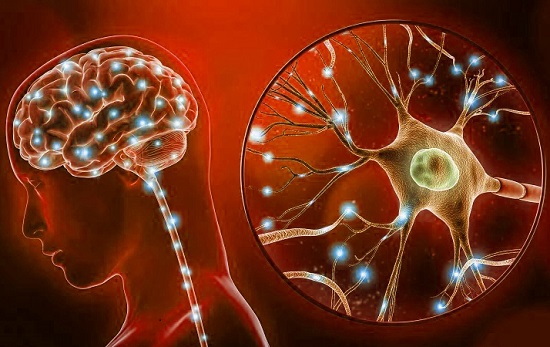 Early blood vessel damage and waste buildup may silently drive dementia
The Brain’s Cleaning System Stops Working Properly
Early blood vessel damage and waste buildup may silently drive dementia
The Brain’s Cleaning System Stops Working Properly
Another major contributor is the failure of the glymphatic system—the brain’s fluid-based waste removal system. This system depends on aquaporin 4, a protein that helps clear toxins like amyloid beta and tau. In many neurodegenerative diseases, aquaporin 4 loses its proper alignment, blocking fluid flow and causing toxic waste to accumulate. The combination of a leaking blood brain barrier and clogged glymphatic pathways creates a destructive cycle that harms brain cells over time.
New Possibilities for Treatment
The study identifies several therapeutic approaches that could help slow disease progression if applied early. VEGF C may help expand the brain’s lymphatic drainage pathways, improving the removal of harmful proteins. Calmodulin inhibitors and structured exercise programs can help restore aquaporin 4 polarity, strengthening the brain’s clearance abilities. Another avenue involves targeting inflammatory microRNAs such as miR 155, which amplify damaging immune activity. Reducing these signals may help calm inflammation and protect brain tissue.
Rethinking Diagnosis and Early Detection
A key biomarker discussed in the study is soluble PDGFRβ, which rises when pericytes are damaged. Detecting this marker in spinal fluid may offer doctors a way to identify individuals at risk years before symptoms emerge. This shift toward detecting vascular and clearance dysfunction could allow treatments to begin much earlier than current protein-focused approaches, which often fail once significant brain damage has already occurred.
Conclusion
The findings suggest that protecting the brain’s blood vessels and preserving waste removal systems may be far more important than previously believed. Instead of focusing only on protein buildup, scientists may need to shift toward repairing vascular damage, strengthening the blood brain barrier, restoring glymphatic flow, and controlling inflammation. By targeting these issues early, it may finally become possible to delay or prevent major neurodegenerative diseases before irreversible harm takes place.
The study
findings were published in the peer reviewed International Journal of Molecular Sciences.
https://www.mdpi.com/1422-0067/26/24/11843
For the latest on Dementia, keep on logging to Thailand
Medical News.
Read Also:
https://www.thailandmedical.news/articles/alzheimer,-dementia-




 Share
Share
 Tweet
Tweet
 Share
Share

































