Nikhil Prasad Fact checked by:Thailand Medical News Team Dec 06, 2025 9 months, 4 weeks, 1 day, 1 hour, 52 minutes ago
Medical News: Pneumonia May Do More Than Damage the Lungs
Pneumonia, often seen as a respiratory condition, kills over 41,000 adults annually in the United States and more than one million children globally each year. While its impact on the lungs is well known, researchers are now uncovering how it may silently harm the heart. A new discovery has identified a bacterial enzyme that can cause serious and even fatal cardiac complications in some pneumonia patients.
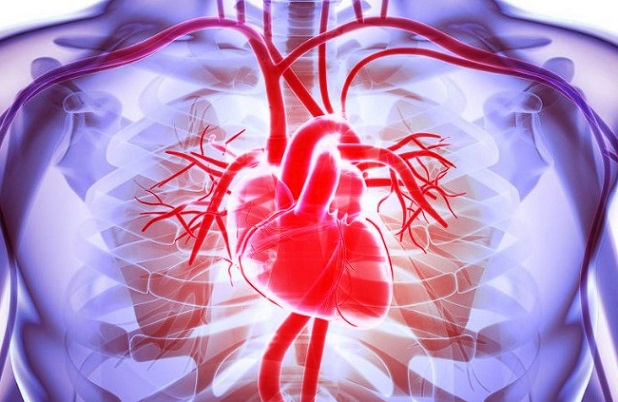 Researchers uncover how a bacterial enzyme in pneumonia causes deadly heart complications
Link Between Heart Damage and Streptococcus Pneumoniae
Researchers uncover how a bacterial enzyme in pneumonia causes deadly heart complications
Link Between Heart Damage and Streptococcus Pneumoniae
Scientists from the University of Maryland School of Medicine and the University of Alabama at Birmingham’s Heersink School of Medicine have zeroed in on a bacterial enzyme called zmpB, produced by Streptococcus pneumoniae, the main culprit behind community-acquired pneumonia. This
Medical News report reveals that zmpB may explain why certain pneumonia cases lead to heart failure, arrhythmias, or sudden death, while others do not.
How the Study Was Conducted
Using bacterial genome-wide association studies (bGWAS), mouse models, and human heart organoids, researchers compared different strains of S. pneumoniae. They found that strains carrying the zmpB gene with specific FIVAR domains were more likely to cause cardiac damage. Mice infected with these strains developed heart lesions and tissue death. However, those exposed to strains lacking the zmpB gene did not show the same heart damage.
Further experiments on heart organoids confirmed that zmpB, especially when it contains FIVAR domains, allows the bacteria to invade heart tissue and kill cells. The more FIVAR domains present, the more damage was observed.
Hope for Prevention and New Treatments
The researchers also tested whether a vaccine targeting zmpB could help. Mice vaccinated with recombinant zmpB showed reduced heart damage, suggesting that future therapies or vaccines could prevent these cardiac complications in pneumonia patients.
Dr. Carlos Orihuela, lead author of the study, explained that about 20 percent of people hospitalized with pneumonia suffer major cardiac events. Identifying strains with zmpB could help physicians anticipate complications and apply more aggressive treatments. A simple genetic test could soon be used to detect high-risk strains.
A New Direction in Cardiac and Infectious Disease Research
Experts say the study’s findings provide important insight into how certain strains of S. pneumoniae cause not just pneumonia but life-threatening heart issues. Professor Mogens Kilian from Aarhus University, who was not involved in the study, praised the work for unveiling the function of a previously mysterious enzyme and opening a path to targeted prevention.
What This Means for Patients and Doctors
By understanding the role of zmpB and FIVAR domains
in heart damage, the medical community may be able to shift how pneumonia cases are monitored and treated. Patients infected with specific bacterial strains could be flagged early for heart monitoring, reducing fatal outcomes. While more studies are needed, this breakthrough could influence future vaccines and treatment protocols.
The study findings were published in the peer reviewed journal: Cell Reports
https://www.cell.com/cell-reports/fulltext/S2211-1247(25)01346-4
For the latest on Pneumonia and fatal cardiac complications, keep on logging to Thailand
Medical News.
Read Also:
https://www.thailandmedical.news/articles/cardiology




 Share
Share
 Tweet
Tweet
 Share
Share

































