Nikhil Prasad Fact checked by:Thailand Medical News Team Jul 14, 2026 1 month, 2 weeks, 5 days, 5 hours ago
Medical News: Pandemic’s Emotional Impact on Children Proved Far More Lasting Than Expected
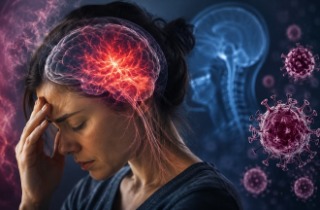
The psychological effects of the COVID-19 pandemic did not disappear when lockdowns ended. Instead, new research shows that many children and teenagers continued to experience worsening mental health problems long after restrictions were lifted, with growing numbers suffering from mood disorders, self-harm, eating disorders and unexplained neurological-like symptoms. Researchers warn that pediatric mental health services must prepare for a new generation of young patients with increasingly complex emotional and behavioral problems.
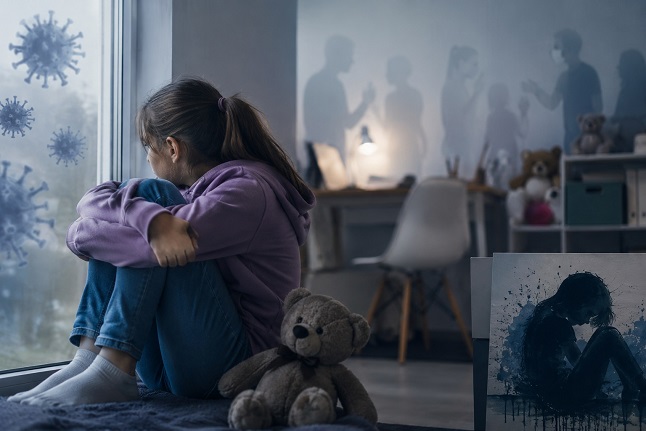 New research shows that the mental health impact of COVID-19 on children continues long after the pandemic, with
rising self-harm, eating disorders and complex psychiatric illnesses
The study was conducted by researchers from the University of Messina, including its Unit of Child Neurology and Psychiatry, the Department of Biomedical Sciences, Dental Sciences & Morpho-Functional Imaging, the Department of Human Pathology of the Adult and Developmental Age "Gaetano Barresi", the Department of Chemical, Biological, Pharmaceutical & Environmental Science, together with scientists from the Institute for Biomedical Research and Innovation (IRIB) of the National Research Council of Italy (CNR) in Messina.
Tracking Mental Health Before, During and After COVID-19
The researchers reviewed medical records from 505 children and adolescents aged between 3 and 17 years who were admitted to a child neuropsychiatry unit. Patients were divided into three groups covering the period before COVID-19, during the pandemic and after restrictions had ended. The goal was to determine how psychiatric illnesses and treatment needs evolved over time.
The number of emergency psychiatric admissions increased sharply during the pandemic, while urgent admissions due to worsening symptoms became more common after the pandemic. Even more worrying was the finding that psychiatric conditions became more severe and often appeared together rather than as isolated disorders.
Self-Harm and Mood Disorders Became Closely Linked
One of the strongest findings was the growing connection between mood disorders and self-harm. During the post-pandemic period, children suffering from depression or severe mood instability were much more likely to also engage in self-injury. Suicidal thoughts also became increasingly linked with self-harm, suggesting that emotional distress was escalating into more dangerous behaviors.
Researchers also found that eating disorders rose steadily throughout the pandemic period and became even more common afterward. Anxiety, depression and eating disorders frequently occurred together, indicating that many children were struggling with multiple psychological problems simultaneously instead of a single diagnosis.
In this
Medical News report, one of the most concerning observations is that these patterns did not improve after society reopened. Instead, man
y of the psychiatric problems became firmly established, suggesting that the pandemic may have permanently altered the mental health landscape for many young people.
Psychological Trauma Also Appeared as Physical Symptoms
The study uncovered another unexpected trend. Many children arrived at the hospital with symptoms resembling neurological illnesses, including dizziness, difficulty walking, psychogenic seizures and persistent vomiting. After extensive testing ruled out neurological disease, these symptoms were found to be physical expressions of psychological distress.
Headaches also became a frequent complaint, particularly among children experiencing anxiety and emotional stress. Researchers believe prolonged isolation, disrupted routines, fear of illness and reduced social interaction may have contributed to these physical manifestations of emotional suffering.
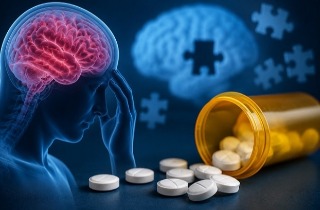
The researchers also observed a significant increase in the use of psychiatric medications. Doctors increasingly relied on antipsychotic drugs, mood stabilizers and benzodiazepines to rapidly control severe emotional crises and dangerous behavioral symptoms. Interestingly, antidepressants became less commonly introduced because many patients presented with acute agitation and behavioral instability requiring faster-acting interventions.
A New Reality for Pediatric Mental Health
The findings suggest that the pandemic did much more than temporarily increase stress. Instead, it reshaped the way psychiatric illnesses present in children and adolescents. Rather than arriving with a single diagnosis, many patients now exhibit overlapping mood disorders, anxiety, self-harm, eating disorders and psychosomatic symptoms that require far more comprehensive treatment. The researchers emphasize that healthcare systems must move beyond treating one disorder at a time and instead develop integrated care models that combine early intervention, community mental health services and rapid crisis support. Without these changes, hospitals may continue to experience increasing numbers of severe psychiatric emergencies among young people for years to come.
The study findings were published in the peer reviewed journal: Children.
https://www.mdpi.com/2227-9067/13/7/926
For the latest COVID-19 news, keep on logging to Thailand
Medical News.
Read Also:
https://www.thailandmedical.news/articles/coronavirus
https://www.thailandmedical.news/articles/long-covid




 Share
Share
 Tweet
Tweet
 Share
Share