Nikhil Prasad Fact checked by:Thailand Medical News Team Feb 04, 2026 6 months, 3 weeks, 5 days, 14 hours, 39 minutes ago
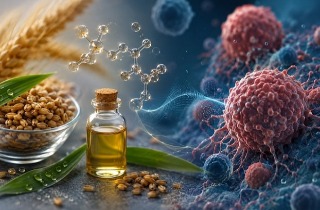
Medical News: A growing body of scientific evidence is pointing toward a familiar kitchen spice as a potential ally in the fight against one of the most common childhood cancers. Curcumin, the natural yellow compound found in turmeric, has demonstrated strong anti-cancer activity against acute lymphoblastic leukemia in laboratory and animal studies, according to a newly published systematic review.
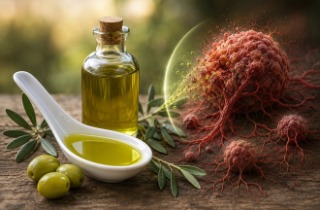
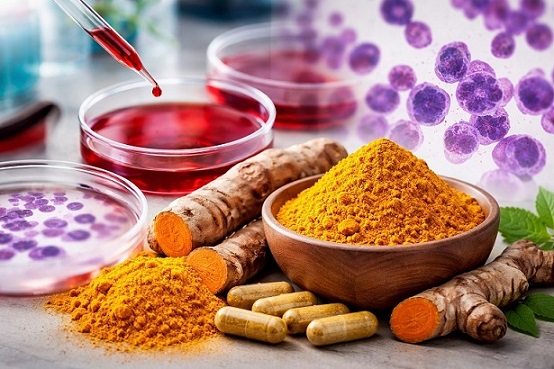 Curcumin found in turmeric may one day help strengthen leukemia treatment by weakening cancer
cells while sparing healthy ones
Understanding Acute Lymphoblastic Leukemia
Acute lymphoblastic leukemia, often called ALL, is a cancer of the blood and bone marrow that mainly affects children but can also occur in adults. It develops when immature white blood cells grow uncontrollably, crowding out healthy cells. While modern chemotherapy has dramatically improved survival rates, many patients still experience severe side effects, drug resistance, or relapse, especially older patients and those with aggressive disease.
Why Scientists Are Studying Curcumin
Curcumin is a natural substance extracted from the turmeric plant, long used in traditional medicine and cooking. Scientists have been interested in curcumin for years because it shows anti-inflammatory, antioxidant, and anti-cancer effects in many diseases. This
Medical News report focuses on a comprehensive review that examined how curcumin affects ALL cells across laboratory experiments, animal models, and limited patient derived samples.
How Curcumin Attacks Leukemia Cells
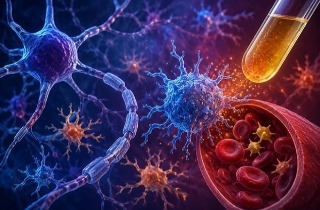
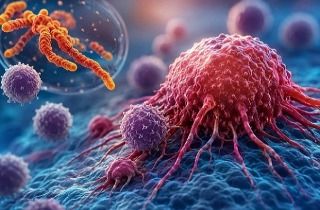
The review analyzed 26 scientific studies and found that curcumin consistently slowed the growth of leukemia cells and triggered a process known as programmed cell death. In simple terms, curcumin appears to push cancer cells to self-destruct while largely sparing healthy cells.
Researchers found that curcumin damages leukemia cells by increasing internal stress, disrupting energy producing structures inside the cell, and activating enzymes that dismantle the cell from within. It also interferes with powerful growth signaling pathways that leukemia cells rely on to survive and multiply. Importantly, curcumin reduced the activity of genes linked to drug resistance, suggesting it may help make cancer cells more sensitive to existing treatments.
Evidence From Animal and Patient Samples
Animal studies were limited but encouraging. In one experiment, curcumin reduced leukemia spread in mice and lowered levels of a cancer-causing gene associated with aggressive leukemia. Studies using bone marrow cells from leukemia patients also showed that curcumin reduced the expression of genes linked to relapse and treatment failure.
However, the researchers stressed that no large-scale human clinical trials have yet tested curcumin as a treatment for ALL, meaning its real-world effectiveness remains unproven.
Major Limitation Researchers Highlight
One major challenge is
that curcumin is poorly absorbed by the human body. Even large doses often result in very low levels in the bloodstream. Scientists believe future research must focus on improving curcumin formulations so it can be delivered more effectively and safely to patients.
Institutions Involved in the Research
The researchers are from the Jeffrey Cheah School of Medicine and Health Sciences at Monash University Malaysia, Monash Medical Centre and Monash Health in Melbourne Australia, and Maharaj Nakorn Chiang Mai Hospital in Thailand.
Conclusions
Overall, the review concludes that curcumin shows strong and consistent anti leukemia effects in laboratory studies and early animal research. While it is not ready to replace existing treatments, it may one day be used alongside standard therapies to reduce drug resistance and side effects. Well-designed clinical trials and improved delivery methods are now essential before curcumin can be considered for routine leukemia care.
The study findings were published in the peer reviewed journal: Biology.
https://www.mdpi.com/2079-7737/15/3/258
For the latest on herbs and phytochemicals, keep on logging to Thailand
Medical News.
Read Also:
https://www.thailandmedical.news/articles/herbs-and-phytochemicals
https://www.thailandmedical.news/articles/cancer




 Share
Share
 Tweet
Tweet
 Share
Share