Nikhil Prasad Fact checked by:Thailand Medical News Tem Mar 24, 2026 6 months, 1 week, 6 days, 6 hours, 3 minutes ago
Medical News: A new scientific review is shedding light on how tiny fat molecules in the brain could transform the way doctors detect and treat meningitis, a dangerous infection that affects the brain and spinal cord. Researchers from the Department of Infectious Diseases and Neuroinfections, Department of Inorganic and Analytical Chemistry, and the Student Research Club at the Medical University of Białystok in Poland have explored how changes in lipids—natural fats found in cells—can act as powerful indicators of different types of meningitis.
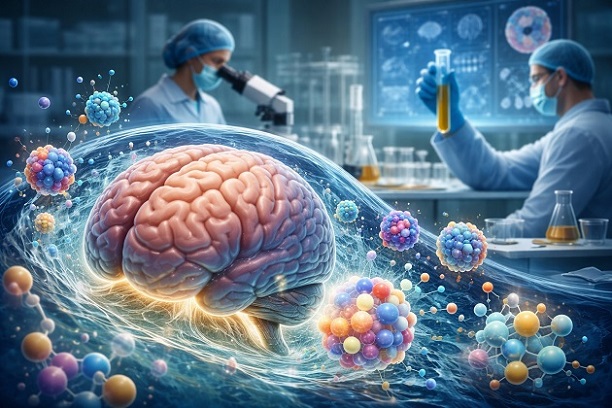 Tiny fat molecules in the brain may hold the key to faster, more accurate meningitis diagnosis and treatment
What Are Lipids and Why They Matter
Tiny fat molecules in the brain may hold the key to faster, more accurate meningitis diagnosis and treatment
What Are Lipids and Why They Matter
Lipids are essential building blocks of the human body. They form cell membranes, store energy, and help cells communicate. In the brain, they make up more than half of its dry weight, playing a crucial role in nerve function and protection. When infections occur, especially in the brain, these lipids change in specific ways.
Scientists now believe these changes can reveal not just the presence of infection but also the exact type of pathogen involved. This
Medical News report highlights how studying these lipid patterns—known as lipidomics—could revolutionize diagnosis and treatment.
Unique Lipid “Fingerprints” of Infections
The researchers found that different types of meningitis—whether caused by bacteria, viruses, fungi, or parasites—leave behind distinct lipid signatures in the cerebrospinal fluid (CSF), the liquid surrounding the brain and spinal cord.
For example, bacterial meningitis tends to cause a sharp rise in certain phospholipids, indicating severe damage to brain cell membranes. A specific molecule called phosphatidylcholine (PC ae C44:6) was identified as a strong marker of bacterial infection.
In contrast, viral meningitis shows different patterns. Certain lipids like lysophosphatidylcholines (LysoPCs) and sphingomyelins increase, reflecting how viruses hijack host cells to reproduce. These differences are important because bacterial and viral meningitis require completely different treatments.
Tuberculosis and Severe Brain Damage
One of the most striking findings involved tuberculous meningitis, a severe form caused by Mycobacterium tuberculosis. Researchers observed reduced levels of many important lipids, including phospholipids and cholesterol, suggesting widespread destruction of brain tissue.
At the same time, harmful byproducts linked to oxidative stress were significantly increased. These changes not only help identify the disease but also explain why it can be so damaging if not treated early.
How Pathogens Exploit Lipids
The study also revealed that many pathogens actively manipulate lipids to survive and spread. Some bacteria produce special lipid molecules that help them cross the blood-brain barrier, while
viruses rely on lipids to enter cells and build new viral particles.
This means lipids are not just passive markers of disease—they play an active role in infection. Understanding this interaction could lead to new treatments that target these lipid pathways.
A New Era of Diagnosis
One of the biggest challenges in treating meningitis is quickly identifying its cause. Traditional methods like cultures and PCR tests can take time or may not always be available, especially in resource-limited settings.
Lipidomics offers a faster and potentially more precise alternative. By analyzing lipid patterns in CSF or even blood, doctors could rapidly distinguish between bacterial and viral infections and start the correct treatment sooner.
Hope for Better Treatments
The research also showed that successful treatment can partially restore normal lipid levels. For instance, antibiotics and antiviral drugs reduce harmful lipid changes, while anti-inflammatory treatments help stabilize cell membranes.
This opens the door to using lipid profiles not only for diagnosis but also to monitor how well a patient is responding to therapy.
Conclusion
This groundbreaking work highlights how lipidomics could become a powerful tool in modern medicine. By decoding the unique lipid signatures of meningitis, doctors may soon diagnose infections faster, choose the right treatments more accurately, and improve patient outcomes significantly. As research continues, lipid-based diagnostics could become especially valuable in settings where traditional methods fall short, offering hope for quicker, life-saving decisions.
The study findings were published in the peer reviewed journal: Biomedicine & Pharmacotherapy.
https://www.sciencedirect.com/science/article/pii/S0753332226002520
For the latest on Meningitis, keep on logging to Thailand
Medical News.
Read Also:
https://www.thailandmedical.news/articles/infectious-diseases




 Share
Share
 Tweet
Tweet
 Share
Share