Nikhil Prasad Fact checked by:Thailand Medical News Team May 28, 2026 3 months, 5 days, 12 hours, 57 minutes ago
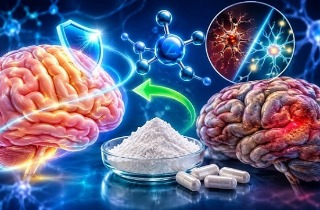
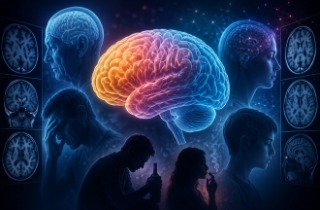
Medical News: Scientists in China have uncovered a promising new clue in the fight against Alzheimer’s disease, identifying a little-known enzyme called HSD17B1 as a possible key target of nobiletin, a natural compound found in citrus peels. The discovery could help researchers better understand how brain aging, hormone balance, and inflammation interact in Alzheimer’s disease.
 Scientists discover that a citrus-derived compound may influence a hormone-related brain pathway linked to Alzheimer’s disease
The research was conducted by scientists from the Department of Geriatrics and the Department of Neurology at The Second Hospital of Tianjin Medical University, the Tianjin Interdisciplinary Innovation Centre for Health and Meteorology, and The First Clinical Medical College of Anhui Medical University in China.
A Natural Compound Under the Spotlight
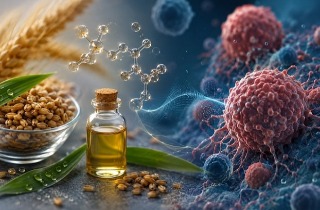
Nobiletin is a plant compound commonly found in oranges, tangerines, and other citrus fruits. Over the last few years, scientists have become increasingly interested in it because of its anti-inflammatory, antioxidant, and brain-protective effects. Earlier animal studies suggested that nobiletin may improve memory and reduce harmful brain inflammation linked to Alzheimer’s disease.
However, researchers still did not know exactly how the compound worked inside the human brain.
In the new study, scientists used a powerful mix of advanced technologies, including genetic analysis, artificial intelligence, molecular simulations, and laboratory experiments, to search for hidden biological targets connected to Alzheimer’s disease. Their investigation eventually pointed to one standout molecule: HSD17B1.
The Hidden Brain Link
HSD17B1 is an enzyme involved in hormone metabolism. It helps convert estrone into estradiol, a form of estrogen known to influence brain health, inflammation, and nerve cell survival.
Researchers discovered that HSD17B1 repeatedly appeared in multiple layers of analysis as strongly connected to Alzheimer’s disease. Using machine learning models, the team found that the enzyme could accurately distinguish Alzheimer’s patients from healthy individuals in several independent datasets.
One artificial intelligence model achieved a predictive accuracy score above 90 percent, with HSD17B1 emerging as one of the strongest contributors. The gene also showed consistent abnormal activity in Alzheimer’s patients across several separate patient groups.
This
Medical News report highlights that the scientists did not stop at computer predictions. They also examined how the enzyme behaved inside immune cells, brain support cells known as astrocytes, and different regions of Alzheimer’s-affected brains.
Strong Evidence from Multiple Angles
The researchers used Mendelian randomization; a technique that studies how genetics may influence disease risk.
They found evidence suggesting that higher levels of HSD17B1 might actually reduce the risk of developing Alzheimer’s disease.
Further analysis showed that the enzyme was closely linked to immune system changes seen in Alzheimer’s patients. Patients showed lower levels of some protective immune cells while harmful inflammatory cells increased.
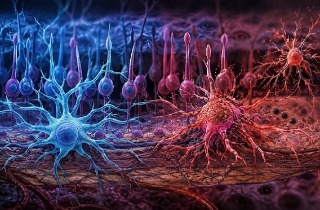
Single-cell RNA sequencing revealed that HSD17B1 was especially active in astrocytes, which are brain support cells increasingly believed to play a major role in Alzheimer’s progression. Spatial transcriptomic studies also showed that the enzyme was not spread evenly throughout the brain but concentrated in specific regions associated with disease-related changes.
Nobiletin Appears to Directly Affect the Enzyme
To see if nobiletin could directly interact with HSD17B1, the researchers performed molecular docking and molecular dynamics simulations. These advanced computer models suggested that nobiletin could bind stably to the enzyme through several important contact points.
The team then tested the theory in living cells using an Alzheimer’s-like laboratory model created from SH-SY5Y nerve cells exposed to amyloid-beta proteins.
The results were striking. Cells treated with nobiletin showed significantly higher levels of HSD17B1 at both the protein and gene expression levels. This suggests that the citrus compound may actively stimulate pathways linked to brain protection and hormone-related regulation.
Why The Findings Matter
The study opens up an entirely new direction in Alzheimer’s research by connecting neurosteroid metabolism to brain degeneration. Scientists increasingly believe that hormone balance, especially estrogen-related signaling, may influence memory loss, inflammation, and brain aging.
The findings also support the growing idea that natural compounds such as nobiletin may work through multiple pathways rather than targeting only one disease mechanism.
Importantly, the researchers stressed that HSD17B1 is not yet ready to become a clinical diagnostic marker or treatment target. Much more work is needed, including animal studies, direct enzyme activity testing, and human clinical trials.
Still, the findings provide one of the most detailed looks yet at how a natural dietary compound might influence Alzheimer’s disease through hormone-related brain pathways. The study also suggests that future therapies may need to address not just amyloid plaques, but also inflammation, metabolism, immune responses, and neurosteroid balance together.
The study findings were published in the peer reviewed International Journal of Molecular Sciences.
https://www.mdpi.com/1422-0067/27/11/4756
For the latest on Alzheimer’s disease, keep on logging to Thailand
Medical News.
Read Also:
https://www.thailandmedical.news/articles/alzheimer,-dementia-
https://www.thailandmedical.news/articles/herbs-and-phytochemicals




 Share
Share
 Tweet
Tweet
 Share
Share