Nikhil Prasad Fact checked by:Thailand Medical News Team Aug 25, 2026 54 minutes ago
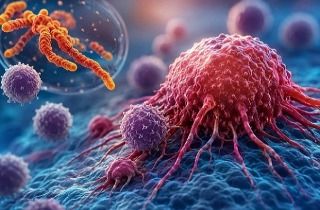
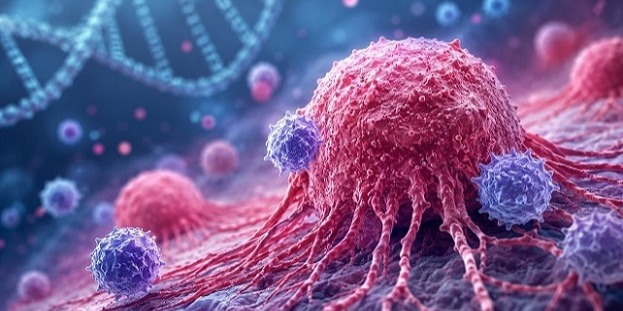
A plant-derived compound called harmine hydrochloride (HMH) has shown promising activity against ovarian cancer in laboratory cells and mice by attacking a protein that appears to help cancer grow and spread.
 Plant-derived harmine hydrochloride suppressed ovarian cancer growth while targeting the cancer-promoting
NFAT1 protein in laboratory and animal experiments
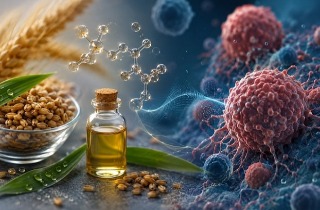
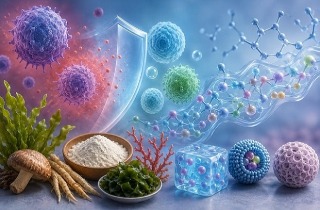
HMH comes from Peganum harmala L., a medicinal plant whose seeds contain biologically active compounds. The new study investigated whether HMH could suppress ovarian cancer and, importantly, how it might work inside cancer cells.
Cancer Cells Became Less Active
Tests were conducted using several human ovarian cancer cell lines. HMH reduced cancer cell viability in a concentration- and time-dependent manner, while the cancer cells were generally more sensitive than noncancerous ovarian cells.
At 20 micromolar, HMH increased programmed cell death, known as apoptosis, and stopped HEY and CAOV3 cancer cells at the G2/M stage of the cell cycle. This effectively prevented many cells from completing the normal process needed to divide.
HMH also reduced cancer cell movement, an important finding because migration helps cancer spread. At 15 micromolar, the migration rate of CAOV3 cells fell to 57.79% of the control level.
NFAT1 Emerges as an Important Target
RNA sequencing revealed 976 genes with increased activity and 1,035 with decreased activity following HMH treatment. Many of the changes involved cell-cycle control and apoptosis.
This Thailand
Medical News report also highlights NFAT1, a protein that regulates gene activity. NFAT1 was particularly abundant in the nuclei of HEY and CAOV3 ovarian cancer cells. Analysis of clinical data showed that lower NFAT1 levels were associated with significantly better overall survival and progression-free survival.
When NFAT1 was experimentally silenced, HEY-cell apoptosis increased from 8.28% to 13.66%. Silencing NFAT1 also interfered with cell-cycle progression and reduced cancer-cell migration, strengthening evidence that NFAT1 helps ovarian cancer progression.
HMH May Trigger Protein Destruction
Further experiments suggested HMH directly interacts with NFAT1. Molecular modeling produced a binding energy of −4.25 kcal/mol, while laboratory testing supported physical interaction between the compound and protein.
Importantly, HMH lowered NFAT1 inside cancer-cell nuclei. When scientists blocked the proteasome—the cellular machinery responsible for disposing of unwanted proteins—the HMH-induced reduction of NFAT1 was prevented. This suggests HMH may bind NFAT1 and encourage its destruction through the proteasomal system.
Tumor Growth Slowed in Mice
In mice carrying ovarian cancer xenografts, HMH at 25 mg/kg slowed tumor development and prolonged survival. Tumors also showed more cancer-cell death and substantially weaker NFAT1
expression.
Combining HMH with cisplatin suppressed tumor development, although the combination did not extend survival beyond either treatment alone. Interestingly, HMH appeared to reduce cisplatin-associated body-weight loss, while examination of the liver, kidneys, spleen, and lungs found no significant organ toxicity from HMH.
Institutions and Conclusions
The research institutions involved were the Institute of Interdisciplinary Integrative Medicine Research at Shanghai University of Traditional Chinese Medicine, China, and the Department of Anatomy and Cell Biology at the University of Florida College of Medicine, United States.
The findings suggest HMH could become an experimental ovarian cancer candidate by attacking NFAT1 through several mechanisms. However, these results remain preclinical, and stronger binding studies, additional mechanistic experiments, safety testing, and ultimately human clinical trials will be necessary before HMH could be considered an established treatment.
The study findings were published in the peer reviewed journal: Pharmaceuticals.
https://www.mdpi.com/1424-8247/19/9/1341
Read Also:
https://www.thailandmedical.news/articles/herbs-and-phytochemicals




 Share
Share
 Tweet
Tweet
 Share
Share