Nikhil Prasad Fact checked by:Thailand Medical News Team Apr 04, 2026 4 months, 4 weeks, 14 hours, 53 minutes ago
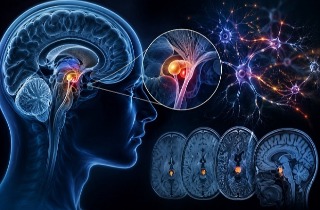
Medical News: A surprising new discovery is shedding light on how the human body’s “bitter taste” system could play a powerful role in fighting one of the deadliest brain cancers. Scientists have found that a specific bitter taste receptor, normally associated with sensing unpleasant flavors, may actually enhance the effectiveness of a key chemotherapy drug used to treat glioblastoma.
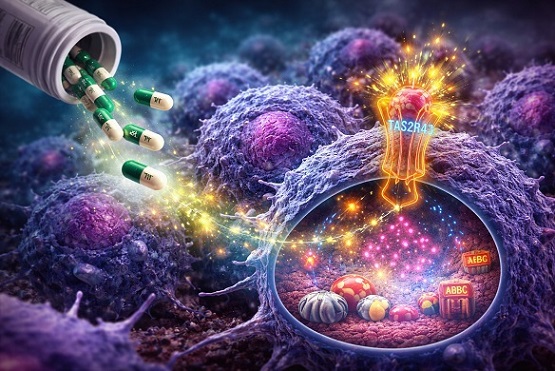 Bitter taste receptor discovery may improve brain cancer treatment effectiveness
A New Role for Taste Receptors
Bitter taste receptor discovery may improve brain cancer treatment effectiveness
A New Role for Taste Receptors
Researchers from the University of Beira Interior (Portugal), RISE-Health Department of Medical Sciences and Chemistry, along with collaborators from the Charité–Universitätsmedizin Berlin (Germany), investigated how bitter taste receptors behave in brain cancer cells. Their focus was on glioblastoma, an aggressive tumor that is notoriously resistant to treatment.
Traditionally, taste receptors are known for detecting flavors in the mouth. However, scientists now know these receptors are also present in other parts of the body, including the brain. This study explored whether these receptors could influence how cancer cells respond to chemotherapy.
How the Drug Works with Bitter Signaling
The chemotherapy drug temozolomide is commonly used to treat glioblastoma. The study found that this drug does more than damage cancer cell DNA. It also activates a cellular signaling pathway linked to bitter taste receptors.
When glioblastoma cells were exposed to the drug, researchers observed a rise in internal calcium levels, a sign that receptor-based signaling had been triggered. This response was strongest at specific drug concentrations and disappeared when bitter receptor activity was blocked.
More importantly, when the bitter signaling pathway was disrupted using inhibitors or genetic techniques, the drug became significantly less effective at killing cancer cells. This clearly showed that the drug’s full impact depends partly on these taste-related mechanisms.
Key Discovery: TAS2R43 Receptor
One receptor stood out above the rest: TAS2R43. Scientists identified it as a critical player in boosting the drug’s cancer-killing effects. When this receptor was silenced, the chemotherapy drug lost much of its ability to reduce tumor cell survival and trigger cell death.
Interestingly, this receptor appears to act like a helper, making cancer cells more vulnerable to treatment. Without it, the drug’s impact drops sharply.
Improving Drug Retention Inside Cancer Cells
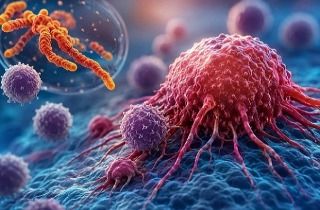
Another major finding involved how cancer cells handle drugs. Glioblastoma cells often resist treatment by pumping drugs out using special proteins called ABC transporters.
The study showed that activation of TAS2R43 increases the amount of chemotherapy drug retained inside cancer cells. In experiments using a fluorescent drug marker, researchers observed up to a 63 percent increase in drug accumulation in some cell lines.
This <
;a href="https://www.thailandmedical.news/">
Medical News report highlights that by reducing drug expulsion, the bitter receptor pathway allows chemotherapy to stay inside cancer cells longer, making it more effective.
Why This Matters for Future Treatments
Glioblastoma is extremely difficult to treat because of its resistance to drugs and the protective nature of the brain’s barriers. These new findings suggest that targeting bitter taste receptors could offer a novel way to enhance existing treatments.
By activating or supporting receptors like TAS2R43, future therapies might improve drug delivery, reduce resistance, and increase survival outcomes for patients.
Conclusion
The study provides compelling evidence that bitter taste receptors are far more than sensory tools; they are active participants in how cancer cells respond to treatment. The identification of TAS2R43 as a key enhancer of chemotherapy effectiveness opens up a new and promising direction for cancer research. By improving drug retention and amplifying cell death signals, this mechanism could help overcome one of the biggest challenges in glioblastoma therapy. However, further clinical research is needed to confirm these findings in patients and to develop safe strategies for targeting these receptors in real-world treatments.
The study findings were published in the peer reviewed International Journal of Molecular Sciences.
https://www.mdpi.com/1422-0067/27/7/3262
For the latest cancer news, keep on logging to Thailand
Medical News.
Read Also:
https://www.thailandmedical.news/articles/cancer




 Share
Share
 Tweet
Tweet
 Share
Share