Nikhil Prasad Fact checked by:Thailand Medical News Team May 14, 2026 3 months, 2 weeks, 6 days, 6 hours, 6 minutes ago
Medical News: A widely used plastic chemical found in food packaging, medical devices, household plastics, and environmental pollution may play a far more dangerous role in brain cancer than previously suspected. Scientists have now uncovered evidence suggesting that Di(2-ethylhexyl) phthalate, commonly known as DEHP, could influence the development and progression of glioma, one of the deadliest forms of brain tumors.
 Researchers discover that the common plastic chemical DEHP may influence aggressive brain tumor pathways and
worsen glioma survival outcomes
The study was conducted by researchers from the School of Public Health at Shanxi Medical University, the Center for Cerebrovascular Diseases Research at Shanxi Medical University, the First Hospital of Shanxi Medical University in China, and the Neuroscience Institute at Hackensack Meridian Health and JFK University Medical Center in the United States.
Growing Concerns About DEHP Exposure
DEHP is a plasticizer used globally to make plastics softer and more flexible. It is commonly present in food containers, plastic wraps, intravenous tubing, toys, cosmetics, and industrial products. Because DEHP can easily leach into the environment, humans are constantly exposed through food, water, inhalation, and skin contact.
Previous studies have already linked DEHP to hormone disruption, reproductive problems, developmental disorders, neurological damage, and several forms of cancer. However, little was known about how it might affect glioma, a highly aggressive brain tumor with poor survival rates.
Glioma, especially its advanced form glioblastoma, remains one of the most difficult cancers to treat. Even with surgery, chemotherapy, and radiation therapy, survival rates remain low. Scientists have increasingly suspected that environmental toxins may contribute to the disease.
Advanced Technology Revealed Dangerous Genetic Links
To investigate the issue, researchers combined network toxicology, machine learning, molecular docking, and laboratory experiments to study how DEHP interacts with genes linked to glioma.
The team examined large genetic databases containing tumor samples and healthy brain tissue. They identified 1,639 genes potentially influenced by DEHP and narrowed these down to 77 genes strongly connected to glioma development.
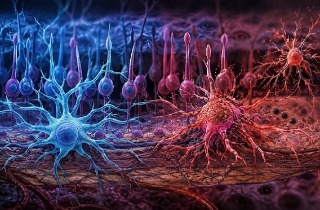
Many of these genes were associated with nerve signaling, inflammation, ion channel activity, neurotransmitter communication, and brain cell function. The researchers found that DEHP may interfere with pathways linked to GABAergic synapses, neuroactive ligand-receptor interactions, and inflammatory signaling inside the brain.
Several critical genes stood out during the analysis, including RELA, HIF1A, ABCA1, MYC, and TP53. These genes are known to influence tumor growth, inflammation, oxygen regulation, drug resistance, and cancer cell survival.
Using 127 machine learning models, the researchers eventually developed a 12-gene diagnostic signature capable of identifying glioma-related molecular changes with extremely high accuracy. The diagnostic performance reached an AUC score of 0.994, indi
cating remarkable reliability.
According to this
Medical News report, the findings suggest that long-term exposure to common plastic chemicals may leave measurable molecular fingerprints associated with aggressive brain tumors.
Worse Survival Seen in High-Risk Patients
One of the study’s most troubling discoveries involved patient survival. Researchers developed a DEHP-related risk score using the 12 identified genes and applied it to multiple patient databases.
Patients classified as having high DEHP-related molecular risk had significantly poorer survival outcomes compared to lower-risk patients. In one major patient group, median survival in the high-risk group was only 2.1 years compared to 7.3 years in the low-risk group.
The results remained consistent across several independent glioma patient populations, strengthening the credibility of the findings.
The study also revealed that DEHP could strongly bind to proteins such as RELA, HIF1A, and ABCA1. These proteins are heavily involved in inflammation, low-oxygen adaptation, tumor progression, and resistance to chemotherapy drugs.
Computer simulations showed stable binding between DEHP and these proteins, suggesting the chemical may directly interfere with important cellular processes involved in brain cancer.
Laboratory Tests Confirmed Harmful Effects
To validate the computer findings, scientists exposed human glioma cells to DEHP in laboratory experiments. The results showed that DEHP exposure increased the activity of RELA, HIF1A, and ABCA1 in both dose-dependent and time-dependent patterns.
This means that greater exposure and longer exposure produced stronger biological effects.
Researchers believe these changes may encourage inflammation, enhance tumor survival mechanisms, increase resistance to treatment, and accelerate glioma progression.
Serious Public Health Implications
The findings raise major concerns because DEHP exposure is nearly unavoidable in modern life. Although the study does not prove that DEHP directly causes glioma in humans, it provides strong evidence that the chemical may contribute to molecular and biological changes linked to aggressive brain tumors.
The researchers say their work provides a new systems-level understanding of how environmental pollutants may interact with cancer-related genes. The identified gene signatures may eventually help doctors improve early detection and prognosis assessment in glioma patients.
The scientists emphasized that additional human and clinical studies are still needed. However, the evidence strongly suggests that reducing chronic exposure to harmful plastic chemicals may become increasingly important for protecting long-term brain health and lowering future cancer risks.
The study findings were published in the peer reviewed journal: Frontiers in Toxicology.
https://www.frontiersin.org/journals/toxicology/articles/10.3389/ftox.2026.1771011/full
For the latest on brain cancers, keep on logging to Thailand
Medical News.
Read Also:
https://www.thailandmedical.news/articles/cancer




 Share
Share
 Tweet
Tweet
 Share
Share