Nikhil Prasad Fact checked by:Thailand Medical News Team Feb 21, 2026 6 months, 1 week, 2 days, 10 hours, 41 minutes ago
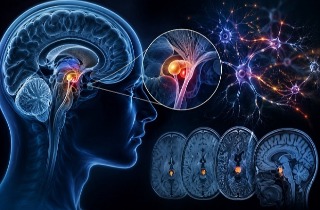
Medical News: A team of researchers from China Agricultural University in Beijing, Gansu Agricultural University in Lanzhou, and the Food Laboratory of Zhongyuan in Luohe, China, has published a comprehensive review suggesting that edible bird's nest, a centuries-old Asian delicacy, could offer remarkable multi-pathway protection against brain aging and neurodegenerative diseases like Alzheimer's and Parkinson's.
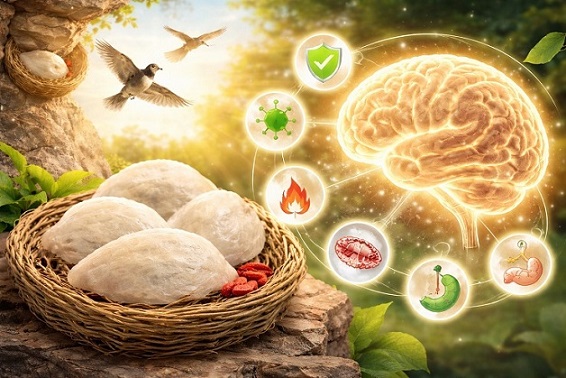 Ancient Asian bird's nest delicacy shown to combat five major brain aging mechanisms simultaneously in preclinical research
What Exactly Is Edible Bird's Nest?
Ancient Asian bird's nest delicacy shown to combat five major brain aging mechanisms simultaneously in preclinical research
What Exactly Is Edible Bird's Nest?
Edible bird's nest, or EBN, is constructed by swiftlet birds using their saliva. Produced primarily in Indonesia, Malaysia, Thailand, and Vietnam, it has been consumed across Asia for centuries. Scientists have now confirmed it contains a powerful cocktail of proteins, carbohydrates, sialic acid, amino acids, and growth factors that work together in ways no single supplement can replicate.
Five Brain Threats, One Food Answer
This
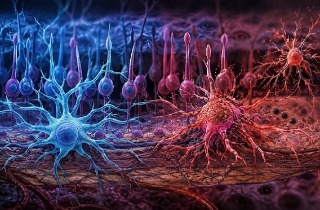
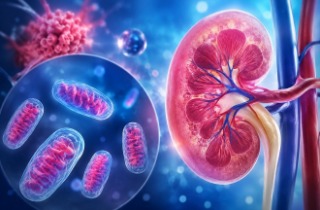
Medical News report highlights findings showing that EBN simultaneously targets five key mechanisms driving brain aging. These include oxidative stress, which damages neurons through harmful free radicals; neuroinflammation, where overactive immune cells destroy healthy brain tissue; mitochondrial dysfunction, which starves neurons of energy; proteostasis imbalance, where toxic protein clumps accumulate; and gut-brain axis disruption, where unhealthy gut bacteria send damaging signals to the brain.
The Science Behind the Nest
Sialic acid, comprising roughly 10% of EBN, is particularly critical. Studies in Alzheimer's mouse models showed it reduced amyloid plaque deposits, decreased harmful tau protein tangles, and improved spatial memory over nine months. In Parkinson's models, EBN extracts protected dopamine-producing neurons, boosted antioxidant enzymes, and reduced dangerous brain inflammation. In models mimicking menopause-related cognitive decline, EBN reversed memory deficits to levels comparable with hormone replacement therapy.
Better Than Traditional Antioxidants?
Unlike isolated supplements such as vitamin C, vitamin E, or coenzyme Q10, which primarily scavenge free radicals through a single mechanism, EBN's protein-glycoprotein-sialic acid matrix simultaneously activates antioxidant pathways, suppresses inflammatory signaling, blocks apoptosis, and supports neurotrophic growth factors. Even compared with popular plant-based compounds like curcumin and quercetin, which suffer from extremely poor absorption, EBN demonstrated no significant toxicity in animal studies.
A Word of Caution
Researchers are careful to note that virtually all current evidence comes from animal and cellular studies. High-quality human clinical trials remain absent. EBN also contains allergens capable of causing severe reactions in some children, and batches can contain heavy metal contaminants requ
iring strict quality monitoring.
Conclusions
The researchers conclude that EBN represents a genuinely distinctive functional food system with coordinated neuroprotective potential spanning multiple biological pathways simultaneously, positioning it as a uniquely promising dietary strategy for supporting brain health and reducing neurodegenerative risk in aging populations worldwide.
The study findings were published in the peer-reviewed journal: Nutrients.
https://www.mdpi.com/2072-6643/18/4/671
For the latest on anti-aging remedies for the brain, keep on logging to Thailand
Medical News.
Read Also:
https://www.thailandmedical.news/articles/anti-aging




 Share
Share
 Tweet
Tweet
 Share
Share