Nikhil Prasad Fact checked by:Thailand Medical News Team Mar 02, 2026 7 months, 3 days, 10 hours, 24 minutes ago
Medical News: A natural compound extracted from a traditional Chinese medicinal herb has shown remarkable anti-aging effects in laboratory studies, offering fresh scientific support for ancient claims that the plant can promote longevity.
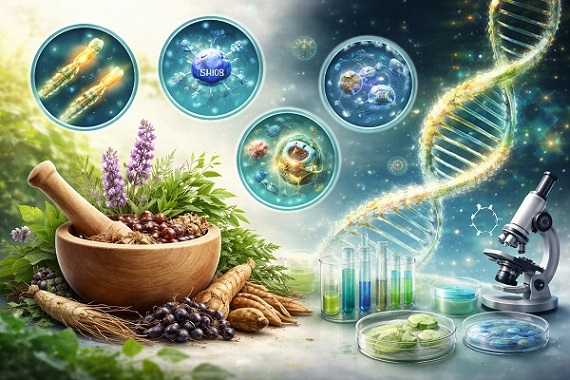 A plant-derived compound boosts telomeres, activates SIRT1, and reduces oxidative stress to slow cellular aging
Researchers from the College of Chemistry and Materials Science at Sichuan Normal University in Chengdu, China, and the College of Pharmaceutical Sciences at Zhejiang University in Hangzhou, China, have identified a small molecule called 3,6′-disinapoyl sucrose, or DISS, from Polygalae Radix. Their findings suggest that this compound works at multiple levels inside cells to slow down biological aging.
Extending Lifespan in Yeast and Mammalian Cells
To test its anti-aging potential, scientists first used yeast, a widely accepted model in aging research because many of its aging-related genes are similar to those in humans. When treated with DISS, yeast cells lived significantly longer. At certain doses, their average lifespan increased by more than 50 percent compared to untreated cells.
The team also tested DISS in mouse fibroblast cells that had been artificially pushed into a senescent, or aged, state using a DNA-damaging chemical. In untreated cells, more than 60 percent showed clear signs of aging. With DISS treatment, that number dropped dramatically, especially at higher doses. This indicated that DISS was not only extending lifespan in simple organisms but also protecting mammalian cells from aging-related damage.
Protecting Telomeres and Boosting Telomerase
One of the most striking findings involved telomeres, the protective caps at the ends of chromosomes. Telomeres naturally shorten as cells divide, and their erosion is a hallmark of aging.
DISS significantly increased telomerase activity in yeast. Telomerase is the enzyme that rebuilds telomeres. In treated groups, telomerase levels rose substantially compared to controls. In mouse cells, DISS also lengthened telomeres, with one dose increasing relative telomere length by more than twofold.
The researchers found that DISS enhanced the expression of key telomerase-related genes and increased levels of telomere-protective proteins such as TRF2 and RAP1. This suggests that the compound not only rebuilds telomeres but also strengthens the structures that shield them from damage.
Activating the SIRT1 Longevity Pathway
The study revealed that DISS directly interacts with and stabilizes SIRT1, a protein widely known as a longevity regulator. SIRT1 helps maintain DNA stability, regulates stress responses, and influences aging-related genes.
Using advanced laboratory techniques, the researchers showed that DISS binds to SIRT1 and increases its stability under stress. As SIRT1 levels rose, levels of p53 and p21, two proteins linked to cellular aging and cell cycle arrest, dropped. This shift indicates that DISS may delay cellular aging by activating the SIRT1 pathway and suppressing pro-aging signals.
This
s://www.thailandmedical.news/">Medical News report highlights that targeting SIRT1 has long been considered a promising anti-aging strategy, and DISS now appears to join a small group of natural compounds capable of doing so effectively.
Fighting Oxidative Stress and Enhancing Autophagy
Aging is closely linked to oxidative stress, a condition where harmful molecules known as reactive oxygen species damage cells. DISS reduced levels of these harmful molecules and lowered malondialdehyde, a marker of cellular damage.
At the same time, it increased the activity of key antioxidant enzymes, including SOD, CAT, and GPx. Importantly, when yeast strains lacking these enzymes were tested, DISS could no longer extend lifespan, confirming that antioxidant defenses are central to its anti-aging action.
The compound also stimulated autophagy, the cell’s internal recycling system. Enhanced autophagy helps remove damaged proteins and organelles, further protecting cells from aging-related decline.
A Multi-Target Approach to Slowing Aging
The researchers concluded that DISS exerts anti-aging effects through a powerful combination of mechanisms. It protects and lengthens telomeres, activates the SIRT1 pathway, reduces oxidative damage, and enhances autophagy. By acting on several core processes of aging at once, DISS demonstrates a multi-layered strategy that could be more effective than targeting a single pathway.
While these findings are based on laboratory models and further studies are needed before human applications can be considered, the results provide compelling scientific validation for the traditional use of Polygalae Radix as a longevity-promoting herb. If future research confirms safety and effectiveness in humans, DISS could represent a promising new direction in anti-aging therapeutics.
The study findings were published in the peer reviewed journal: Antioxidants.
https://www.mdpi.com/2076-3921/15/3/313
For the latest on herbs and phytochemicals, keep on logging to Thailand
Medical News.
Read Also:
https://www.thailandmedical.news/articles/herbs-and-phytochemicals
Medical Disclaimer: All content published by Thailand Medical News is based on scientific research and is intended for informational and educational purposes only. It is not medical advice, diagnosis, or treatment. Readers must not attempt to use, apply, or experiment with any protocols, compounds, or therapies mentioned without first consulting a qualified and licensed medical doctor. Many findings discussed are experimental or preliminary, and only a licensed healthcare professional can determine what is safe and appropriate for an individual’s specific medical condition.




 Share
Share
 Tweet
Tweet
 Share
Share