Nikhil Prasad Fact checked by:Thailand Medical News Team Dec 10, 2025 9 months, 3 weeks, 3 days, 16 hours, 59 minutes ago
Medical News: Cancer and Chemotherapy Found to Age the Brain Faster in Young Patients
A groundbreaking new study by researchers from the University of California Irvine, Flinders University in Australia, University of California San Francisco, and the National Cancer Centre Singapore has uncovered compelling evidence that cancer and its treatments can significantly speed up biological brain aging in young adults. This rapid aging process may directly contribute to a troubling side effect experienced by many cancer survivors—known as cancer-related cognitive impairment (CRCI), or more commonly, “chemo brain.”
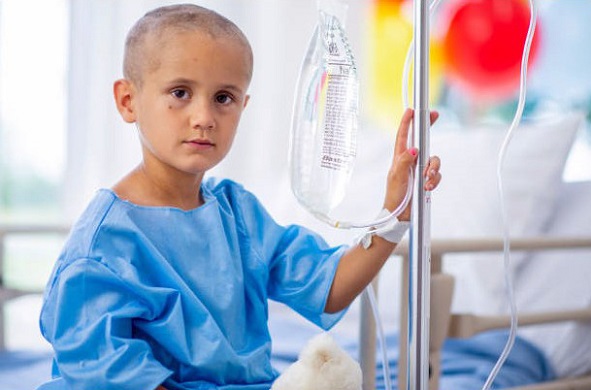 A new study reveals cancer accelerates biological brain aging and worsens memory in young patients
Image Credit: FatCamera/Getty/IStock
This
Medical News report delves into how specific changes at the DNA level—particularly in epigenetic markers—are linked with memory problems, attention deficits, and reduced cognitive performance. The findings suggest that chemotherapy may not only fight cancer cells but also age the brain and disrupt critical brain functions.
Tracking Brain Function and DNA Changes Over Time
The study followed 51 adolescent and young adult cancer patients, aged between 15 and 39, along with 8 healthy individuals of similar age, over a year. Blood samples were taken at multiple stages—before treatment, during chemotherapy, and after treatment ended. Researchers measured “epigenetic age,” which reflects how fast a person’s body is biologically aging, based on specific chemical changes in their DNA known as methylation. These changes can act as indicators of cellular stress, inflammation, and damage.
Using cutting-edge techniques, the team measured six different biological aging scores, including “GrimAge” and “PhenoAge.” Patients undergoing chemotherapy had significantly higher scores than healthy participants, signaling accelerated biological aging.
Lower BDNF Levels Mean Poorer Brain Health
Alongside these biological aging markers, the researchers measured blood levels of a protein called BDNF (Brain-Derived Neurotrophic Factor), which plays a key role in maintaining brain health and supporting memory and learning. Cancer patients with more rapid biological aging had lower levels of BDNF, suggesting that the aging process may damage the brain’s ability to heal and adapt.
In particular, higher GrimAge scores were linked to lower BDNF levels and greater memory loss, while PhenoAge acceleration was strongly tied to declines in attention and executive function.
Direct Genetic Links to Brain Function Decline
To understand how these changes might affect the brain, researchers also examined specific genes and pathways related to memory and neuron health. They discovered numerous “differentially methylated” sites—areas of the genome wh
ere DNA is chemically altered in ways that may silence or activate certain genes. These sites were found in pathways involved in brain cell communication, neurotrophin signaling, and memory.
One key pathway affected was the “neurotrophin signaling pathway,” known for regulating how neurons grow, survive, and connect with each other. Genes like HRAS and PIK3CD—important in transmitting signals in the brain—showed significant DNA changes in patients who reported cognitive problems.
What This Means for the Future of Cancer Care
This research is among the first to clearly show that cancer and its treatments can biologically age the brain in adolescents and young adults, leading to lasting cognitive issues. These findings open the door for new diagnostic tools. Tracking epigenetic age and BDNF levels could help doctors predict which patients are most at risk of chemo brain. More importantly, it raises hope for developing interventions that slow down or even reverse these changes.
The conclusion is clear: biological age—not just the number of years someone has lived—may be a critical factor in understanding how cancer affects the brain. Treatments that protect brain health and reduce biological stress may become essential parts of cancer therapy in the near future.
The study findings were published in the peer reviewed journal: Frontiers in Aging.
https://www.frontiersin.org/journals/aging/articles/10.3389/fragi.2025.1667638/full
For the latest on Cancer and Brain Health, keep on logging to Thailand
Medical News.
Read Also:
https://www.thailandmedical.news/articles/cancer




 Share
Share
 Tweet
Tweet
 Share
Share

































