Kittisak Meepoon Fact checked by:Thailand Medical News Team Dec 03, 2025 10 months, 1 day, 1 hour, 19 minutes ago
Medical News: A New Search for Simple Antiviral Solutions
A team of researchers from Wuyi University, the University of Macau, and GuangXi University of Chinese Medicine-China, has identified four existing compounds that may help stop SARS-CoV-2 from entering human cells. Their newly published work examined more than 3000 chemical compounds to find those capable of attaching to the spike protein’s receptor binding domain, the crucial section the virus uses to grip human ACE2 receptors. This
Medical News report explains how the study uncovered simple molecules that might eventually support affordable COVID-19 treatment options accessible to everyday people.
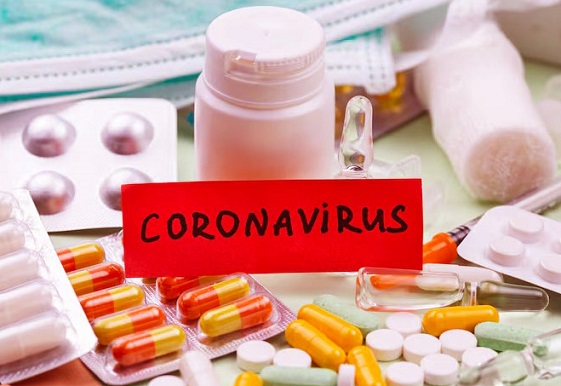 New research identifies four compounds that may inhibit the SARS-CoV-2 spike proteins and reduce viral entry
How the Scientists Found the Most Promising Compounds
New research identifies four compounds that may inhibit the SARS-CoV-2 spike proteins and reduce viral entry
How the Scientists Found the Most Promising Compounds
Using detailed computer screening followed by laboratory testing, the team sought compounds capable of binding tightly to the exact amino acids on the spike protein responsible for infection. From the extensive list, four candidates demonstrated the strongest potential: DOTAP chloride, cefotiam hexetil hydrochloride, melittin, and teicoplanin. These compounds formed hydrogen bonds and special electrostatic interactions that interfered with the spike protein’s ability to connect with ACE2 receptors. Laboratory techniques such as thermal shift assays and surface plasmon resonance confirmed consistent and measurable binding strength between each compound and the spike’s receptor binding domain.
What Each Compound Does Against the Virus
The research found that DOTAP chloride could inhibit both the ancestral SARS-CoV-2 strain and the Omicron variant at low concentrations, although it was less effective against Delta. Cefotiam hexetil hydrochloride, originally designed as an oral cephalosporin antibiotic, showed broad activity across variants by influencing the structural stability of the spike RBD. Melittin, a naturally occurring bioactive peptide, demonstrated the strongest antiviral activity, stopping pseudovirus entry even at very low doses. Teicoplanin, a long-used glycopeptide antibiotic, also showed valuable inhibitory activity, especially toward Omicron, suggesting that some existing antibacterial medicines may have unexpected antiviral potential when they target viral structural proteins.
What the Findings Mean for Future Treatment Options
These findings indicate that repurposed or older drugs could play a meaningful role in reducing viral infection or strengthening future COVID-19 treatment combinations. While further testing in animals and humans is still required, the study shows that directly inhibiting the spike-ACE2 interaction remains a powerful antiviral strategy. The fact that several compounds worked across multiple variants is especially encouraging, given the virus’s ability to mutate rapidly. With more research, these compounds could contribute to developing simpler, more affordable antiviral solutions, especially for regions that lack access to expensive treatment options. The possibility that such answe
rs are already hidden within existing drug libraries provides new hope as the pandemic continues to evolve.
The study findings were published on a preprint server and are currently being peer reviewed
https://www.researchsquare.com/article/rs-7896022/v1
For the latest COVID-19 news, keep on logging to Thailand
Medical News.
Read Also:
https://www.thailandmedical.news/articles/coronavirus
https://www.thailandmedical.news/articles/covid19-drugs
https://www.thailandmedical.news/articles/covid-19-herbs
https://www.thailandmedical.news/articles/covid-19-supplements




 Share
Share
 Tweet
Tweet
 Share
Share

































