Nikhil Prasad Fact checked by:Thailand Medical News Team Jun 26, 2026 1 month, 2 weeks, 18 hours, 46 minutes ago
Medical News: A Surging Viral Threat
A significant epidemiological shift in enterovirus infections is raising profound red flags across the international medical community. Clinicians, epidemiologists, and public health agencies are reporting an alarming global rise in highly contagious, mutated lineages of Coxsackievirus. While Hand, Foot, and Mouth Disease (HFMD) has historically been viewed as a predictable, benign childhood illness, recent data collected from late 2025 and early 2026 paints a far more severe clinical picture. Virologists are closely tracking distinct evolutionary mutations in existing viral genomic structures that mimic entirely new viral pathogens, successfully bypassing previous population-wide immunity and causing widespread outbreaks.
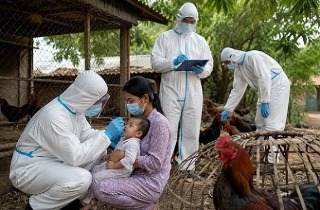
 New emerging and recombinants Coxsackievirus strains are creating an alarm among clinicians
The Rise of Hyper-Virulent CVA6 and CVA4
New emerging and recombinants Coxsackievirus strains are creating an alarm among clinicians
The Rise of Hyper-Virulent CVA6 and CVA4
The primary driver behind this sudden diagnostic spike is the rapid antigenic drift observed in Coxsackievirus A6 (CVA6). According to comprehensive genomic surveillance data, these mutated CVA6 lineages have undergone critical genetic shifts in their surface proteins that completely alter how human immune systems recognize the virus. Instead of presenting with typical mild oral sores, this specific variant causes extensive, ulcerative skin lesions, exceptionally high fevers, painful atypical rashes across the torso, and severe nail shedding technically known as onychomadesis.
Simultaneously, a highly concerning genetic recombination event has been identified in global Coxsackievirus A4 (CVA4) strains. Detailed findings from early 2026 molecular tracking laboratories reveal that these recombinant CVA4 variants are increasingly involved in severe multi-viral co-infections. Unlike historical baseline presentations, these mutated CVA4 strains have been definitively linked by doctors to dangerous systemic organ complications. Most notably, frontline clinicians have documented a sharp spike in cases of fulminant myocarditis, an incredibly severe and rapid inflammation of the heart muscle that requires immediate, life-saving intensive care intervention and advanced cardiovascular support.
Breaking Age Barriers and Immunity
Adding further complexity to the ongoing health crisis, newer sub-lineages of Coxsackievirus A10 (CVA10) are also heavily co-circulating globally. Research indicates these emerging CVA10 strains display an intermediate level of virulence but are spreading through communities with unprecedented biological efficiency. This multivalent viral onslaught highlights a massive loophole in current preventative medicine. The vast majority of existing commercial enterovirus vaccines were specifically engineered years ago to target Enterovirus A71 (EV-A71). Consequently, they offer virtually zero cross-protection against these heavily mutated CVA6, CVA4, and CVA10 variants, subsequently fueling massive, unseasonal outbreaks in schools, nurseries, and preschool daycare facilities.
Furthermore, these emerging strains are completely shattering traditional medical assumptions by frequently infecting immunocompetent adults. Hospital doctors report that adult patients often experience far more severe, debilitating symptoms than children, including prolonged systemic fatigue, i
ntense muscle aches, and deep, painful blistering on the palms and soles. This
Medical News report highlights the urgent need for updated diagnostic criteria, as many frontline healthcare workers are unfortunately misdiagnosing these atypical adult presentations as severe drug allergies, eczema, or other autoimmune dermatological conditions.
A Call for Global Vigilance
The rapid, unhindered evolution of these enteroviruses underscores a critical, dangerous gap in our current global pandemic preparedness and vaccine infrastructure. Medical authorities strongly emphasize that tracking these specific sub-lineages through continuous whole-genome sequencing is the only viable way to anticipate further mutations and prevent widespread clinical bed shortages in pediatric intensive care units. Hospitals must adapt quickly to the shifting landscape by implementing stricter isolation protocols within emergency departments and expanding standard viral PCR testing panels to catch these highly atypical variants early.
As we look toward the remainder of the 2026 viral season, sustained global investment in multivalent vaccine development and robust international bio-surveillance networks will remain the absolute definitive cornerstone of defending public health against these evolving, aggressive enterovirus phenotypes.
References:
https://journals.asm.org/doi/10.1128/jcm.00007-11
https://linkinghub.elsevier.com/retrieve/pii/B0122270304000571
https://microbenotes.com/coxsackie-a-virus/
https://www.latimes.com/doctors-scientists/story/hand-foot-mouth-disease-evolving-strains-spread
https://www.nature.com/articles/s41598-024-77832-6
https://link.springer.com/article/10.1186/s12879-025-12003-0
https://www.mdpi.com/1999-4915/16/8/1267
https://www.mdpi.com/1999-4915/17/2/219
https://www.microbiologyresearch.org/content/journal/mgen/10.1099/mgen.0.001481
https://journals.asm.org/doi/10.1128/jvi.00631-09
https://beaconbio.org/en/report/?reportid=cea20d00-3473-4333-b5af-5dc953a310fc&eventid=3e02e9d2-f186-4ae8-a226-3eb343109058
https://www.tandfonline.com/doi/full/10.1080/14760584.2026.2652927
https://www.infectioncontroltoday.com/view/unusual-surge-hand-foot-mouth-disease-raises-public-health-concerns
https://www.frontiersin.org/journals/immunology/articles/10.3389/fimmu.2025.1603028/full
https://www.wsaz.com/2025/10/18/its-miserable-hand-foot-mouth-disease-spreading-rapidly-this-state-officials-say/
For the latest on new Coxsackievirus strains, keep on logging to Thailand
Medical News.
Read Also:
https://www.thailandmedical.news/news/cva6-virus-surge-sparks-global-concern-as-severe-hand-foot-and-mouth-disease-cases-rise
https://www.thailandmedical.news/news/scientists-identify-dangerous-mutation-hotspots-in-enterovirus-b
https://www.thailandmedical.news/news/enteroviruses-brain-invasion-threat-sparks-new-fears-for-children




 Share
Share
 Tweet
Tweet
 Share
Share