Nikhil Prasad Fact checked by:Thailand Medical News Team Jun 01, 2026 3 months, 1 day, 19 hours, 17 minutes ago
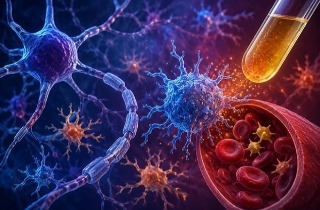
Medical News: Researchers are warning that the chronic inflammation seen in rheumatoid arthritis may be doing far more than damaging joints. Emerging evidence suggests that the same inflammatory processes driving rheumatoid arthritis could also be injuring blood vessels, accelerating brain degeneration, and increasing the risk of cognitive decline and Alzheimer’s disease.
 Researchers discover that chronic rheumatoid arthritis inflammation may damage blood vessels and
accelerate brain degeneration linked to dementia and Alzheimer’s disease
A new review by scientists from the Doctoral School of Medicine and Pharmacy, George Emil Palade University of Medicine, Pharmacy, Science, and Technology of Targu Mures, Romania, and the Centre for Advanced Medical and Pharmaceutical Research, George Emil Palade University of Medicine, Pharmacy, Science, and Technology of Targu Mures, Romania, highlights how a little-known form of C-reactive protein (CRP) may be a central player in this dangerous chain reaction.
A Common Inflammation Marker with A Hidden Side
CRP is widely used by doctors as a blood marker to measure inflammation. However, the researchers explain that CRP exists in two different forms. The commonly measured pentameric CRP is mainly a marker of inflammation, while a second form known as monomeric CRP appears to be far more biologically aggressive.
According to the review, monomeric CRP is capable of directly damaging blood vessels, promoting inflammatory signaling, increasing immune cell activity, and worsening tissue injury. Rather than simply indicating disease activity, this form of CRP may actively drive disease progression.
In rheumatoid arthritis patients, chronic inflammation continuously stimulates the production of inflammatory molecules such as IL-6 and TNF-alpha. These substances not only worsen joint damage but also encourage the conversion of CRP into its more harmful monomeric form.
How Rheumatoid Arthritis Damages Blood Vessels
The review found strong evidence that people with rheumatoid arthritis experience accelerated vascular aging. Inflammation causes endothelial dysfunction, a condition in which blood vessel linings lose their normal ability to regulate blood flow and prevent clot formation.
Researchers found that elevated CRP levels are associated with increased arterial stiffness, vascular inflammation, and the development of atherosclerosis. Monomeric CRP has been detected inside atherosclerotic plaques where it promotes oxidative stress, inflammatory cell recruitment, and plaque progression.
Importantly, studies cited in the review showed that higher CRP levels early in rheumatoid arthritis can predict vascular damage years later, suggesting that inflammation leaves a long-lasting imprint on cardiovascular health.
The Surprising Link to Brain Degeneration
One of the most concerning findings discussed in the review is the growing connection between chronic systemic inflammation and neurodegeneration.
The authors explain that persistent elevations of CRP, IL-6, and TNF-alpha can contr
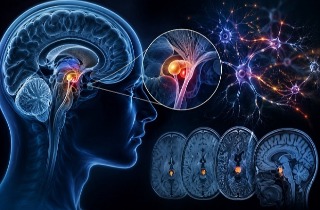
ibute to damage within the brain’s small blood vessels. Over time, this damage may lead to cerebral small vessel disease, tiny strokes known as lacunar infarcts, and impaired blood flow to critical brain regions.
This
Medical News report notes that researchers are increasingly viewing neurofilament light chain (NfL), a marker released when nerve cells are damaged, as a valuable indicator of brain injury linked to inflammation. Elevated NfL levels often accompany inflammatory conditions and may help identify patients at risk of cognitive decline.
Evidence Connecting CRP to Alzheimer’s Disease
The review also explored mounting evidence that monomeric CRP may play a direct role in Alzheimer’s disease.
Researchers found that this form of CRP accumulates in areas of the brain affected by Alzheimer’s pathology. Experimental studies showed that monomeric CRP can increase amyloid-beta production, promote abnormal tau protein changes, disrupt the blood-brain barrier, and trigger neuroinflammation.
Particularly alarming is the discovery that monomeric CRP may interact with genetic risk factors such as APOE4, further increasing susceptibility to Alzheimer’s disease and other forms of dementia.
Rheumatoid Arthritis Patients Face Higher Dementia Risk
Several large population studies reviewed by the authors found that rheumatoid arthritis patients face a significantly higher risk of dementia compared to the general population. Chronic inflammation, cardiovascular disease, stroke, and vascular injury appear to contribute to this increased risk.
Encouragingly, some studies suggest that biologic drugs targeting inflammatory molecules such as TNF-alpha may reduce dementia risk by lowering systemic inflammation before irreversible brain damage develops.
Conclusion
The review presents compelling evidence that rheumatoid arthritis should no longer be viewed solely as a joint disease. Chronic inflammation appears capable of triggering a cascade of vascular and neurological damage that extends throughout the body. Monomeric CRP has emerged as a particularly important factor because it may actively promote blood vessel injury, neuroinflammation, and neurodegeneration rather than merely serving as a marker of disease. The findings also suggest that monitoring both CRP forms and neurological biomarkers such as NfL could help identify high-risk patients earlier. Future therapies that specifically target monomeric CRP may offer a promising new strategy for reducing not only joint destruction but also cardiovascular complications and cognitive decline associated with rheumatoid arthritis.
The study findings were published in the peer reviewed International Journal of Molecular Sciences.
https://www.mdpi.com/1422-0067/27/11/5001
For the latest on rheumatoid arthritis, keep on logging to Thailand
Medical News.
Read Also:
https://www.thailandmedical.news/articles/arthritis
https://www.thailandmedical.news/articles/alzheimer,-dementia-




 Share
Share
 Tweet
Tweet
 Share
Share