Nikhil Prasad Fact checked by:Thailand Medical News Team Jul 25, 2026 1 hour, 7 minutes ago
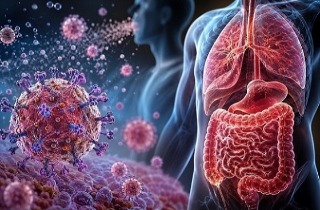
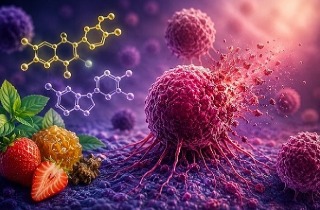
Medical News: Researchers are shedding new light on two long-established drugs, chloroquine (CQ) and hydroxychloroquine (HCQ), revealing that they could have far greater potential than simply treating malaria. A new review suggests these medicines may help tackle inflammatory bowel disease, colorectal cancer, stomach cancer and several other gastrointestinal disorders by targeting inflammation, harmful bacteria and damaged cellular processes.
 Researchers find that chloroquine and hydroxychloroquine may help fight inflammatory bowel disease, digestive
cancers and other gastrointestinal disorders through multiple biological mechanisms
The review was conducted by researchers from the College of Pharmacy and the Research Institute for Drug Development at Pusan National University, Busan, Republic of Korea, together with scientists from the Digestive Disease Research Institute, School of Medicine, Wonkwang University, Iksan, Republic of Korea, and Kim's GutEase Internal Medicine, Gunpo, Republic of Korea.
Old Drugs Showing New Promise
Originally developed as antimalarial medicines, chloroquine and hydroxychloroquine are now known to influence many biological processes inside cells. They accumulate inside lysosomes, tiny compartments that recycle damaged cell material, altering how cells handle inflammation, immunity and waste disposal. These effects have attracted growing attention for diseases affecting the digestive tract.
Researchers say these drugs may help restore balance rather than simply suppress symptoms, making them attractive candidates for drug repurposing.
Encouraging Results Across Multiple Gut Disorders
Studies reviewed by the researchers showed that both drugs reduced inflammation in experimental models of inflammatory bowel disease.
Hydroxychloroquine lowered harmful inflammatory molecules while increasing protective immune signals. It also helped repair the intestinal lining by restoring mucus-producing cells and strengthening tight junction proteins that prevent harmful substances from leaking into the bloodstream.
The drugs also influenced gut bacteria. Hydroxychloroquine increased populations of beneficial bacteria such as Lactobacillus, while suppressing several microbes linked to intestinal inflammation. Although some microbiome changes remain difficult to interpret, the overall findings suggest improved gut barrier function and reduced disease activity.
This
Medical News report also highlights evidence that chloroquine may enhance antibiotic treatment by helping immune cells eliminate bacteria that normally survive inside macrophages. This effect could prove valuable against difficult infections associated with Crohn’s disease and even Whipple disease.
Potential Weapon Against Digestive Cancers
The review also found impressive evidence that chloroquine and hydroxychloroquine may strengthen cancer treatment. By blocking autophagy—a survival mechan
ism cancer cells often exploit—the drugs made colorectal and gastric cancer cells more vulnerable to chemotherapy.
Researchers found chloroquine restored sensitivity to the chemotherapy drug 5-fluorouracil in resistant colorectal cancers, reduced tumour-promoting inflammation, enhanced PI3K/mTOR-targeted therapies, improved the effectiveness of natural anticancer compounds such as catalpol and helped overcome drug resistance driven by proteins including TYRO3 and P-glycoprotein.
The review also linked the drugs to reduced oxidative stress, lower inflammatory signalling and slower tumour development in several experimental models.
Benefits Beyond Inflammation
The researchers also summarized evidence suggesting these medicines may reduce excessive intestinal movement, assist in selected autoimmune digestive disorders, improve antibiotic performance against certain infections and influence hormone transport. However, they also cautioned that slowing stomach emptying, altering gut bacteria and causing reversible muscle-related side effects remain important considerations during long-term treatment.
Conclusion
Although much of the evidence currently comes from laboratory and animal studies, the review presents a compelling picture of chloroquine and hydroxychloroquine as versatile drugs capable of targeting inflammation, immune dysfunction, harmful microbes and cancer-related pathways simultaneously. Larger, carefully designed clinical trials will now be essential to determine which gastrointestinal diseases will benefit most, identify the safest treatment strategies and confirm whether these promising experimental findings can translate into routine patient care.
The study findings were published in the peer reviewed journal: Comprehensive Physiology.
https://onlinelibrary.wiley.com/doi/10.1002/cph4.70225
For the latest on Chloroquine, keep on logging to Thailand
Medical News.
Read Also:
https://www.thailandmedical.news/articles/gastroenterology
https://www.thailandmedical.news/articles/med-news




 Share
Share
 Tweet
Tweet
 Share
Share