Nikhil Prasad Fact checked by:Thailand Medical News Team Apr 09, 2026 3 months, 1 week, 6 days, 19 hours, 59 minutes ago
Medical News: A growing body of scientific research is now shedding light on a surprising ally in the fight against COVID-19 - tea. Scientists have discovered that natural compounds found in tea, known as polyphenols, may help interfere with the coronavirus in multiple ways. While not a cure, these findings open the door to new supportive strategies that could complement existing treatments.
 Natural tea compounds may help block the coronavirus and reduce inflammation, offering potential supportive
benefits in COVID-19
What Are Tea Polyphenols and Why They Matter
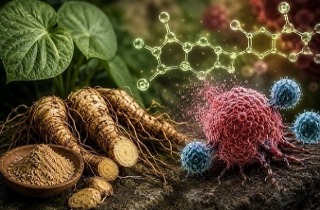
Tea polyphenols are natural plant compounds found in green, black, and oolong tea. The most well-known of these include catechins such as EGCG (epigallocatechin gallate), along with theaflavins and flavonols. These substances are already known for their antioxidant and anti-inflammatory properties.
Researchers involved in this study came from multiple institutions, including the Institute of Marine and Environmental Technology at the University of Maryland Baltimore County, the Agricultural Biotechnology Laboratory at Auxergen Inc., the Renal Care Research and Health Promotion Association in Taiwan, Cathay General Hospital in Taipei, and the School of Medicine at Fu Jen Catholic University in New Taipei City.
What makes these compounds particularly interesting is their ability to interact with both viruses and the human immune system, potentially influencing how infections develop and progress.
How Tea Compounds May Block the Virus
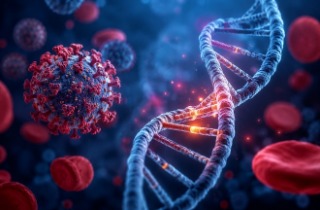
Scientists have identified several ways tea polyphenols could interfere with the coronavirus lifecycle. First, they may prevent the virus from attaching to human cells. The virus uses a protein called the spike protein to latch onto a receptor known as ACE2 on human cells. Some tea compounds appear to disrupt this interaction.
Second, these compounds may stop the virus from multiplying. Once inside the body, the virus relies on specific enzymes to replicate. Tea polyphenols have shown the ability to block key viral enzymes such as proteases and RNA polymerase, which are essential for viral reproduction.
Third, tea polyphenols may even interfere with later stages of the virus life cycle, including assembly and release of new viral particles, making it harder for the infection to spread within the body.
Fighting Inflammation and Protecting the Body
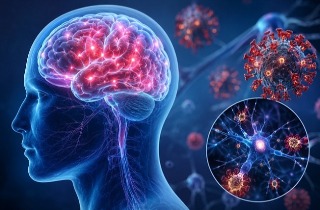
Beyond direct antiviral effects, tea compounds may also help control the body’s immune response. Severe COVID-19 is often driven by an overreaction of the immune system, sometimes called a cytokine storm.
Tea polyphenols have been shown to reduce the production of inflammatory molecules such as IL-6 and TNF-alpha. They also help reduce oxidative stress, which can damage tissues during infection.
This
Medical News report highlights that these dual actions - fighting the virus and calming inflammation - make tea polyphenols especially int
eresting as supportive agents.
Potential Role in Recovery and Long COVID
Another important finding is the possible role of tea compounds in recovery after infection. Studies suggest that these compounds may help reduce lung damage, support tissue repair, and even limit fibrosis, a condition where lung tissue becomes scarred.
This is particularly relevant for people suffering from long COVID, where lingering inflammation and tissue damage can cause prolonged symptoms. Tea polyphenols may help restore balance in the body and support healing over time.
The Big Challenge: Do They Work in Real Life
Despite promising laboratory results, there is a major limitation. Most of the evidence so far comes from computer models and lab experiments, not large human trials.
One key issue is that the body absorbs only small amounts of these compounds when consumed as tea. The levels needed to block the virus in lab studies are often much higher than what can be achieved through normal drinking.
Scientists are now exploring new delivery methods, such as inhaled formulations and nanotechnology, to overcome this limitation.
Conclusion
Tea polyphenols represent a fascinating and promising area of COVID-19 research, offering a multi-target approach that includes blocking viral entry, stopping replication, and reducing harmful inflammation. However, current evidence remains largely preclinical, and there is still no strong proof from large human trials that these compounds can effectively treat or prevent COVID-19.
While drinking tea may support general health and immune function, it should not be considered a replacement for vaccines or medical treatments. Future research, especially well-designed clinical studies, will be essential to determine whether these natural compounds can be translated into real-world therapies or preventive strategies.
The study findings were published in the peer reviewed journal: Current Issues in Molecular Biology.
https://www.mdpi.com/1467-3045/48/4/379
For the latest COVID-19 News, keep on logging to Thailand
Medical News.
Read Also:
https://www.thailandmedical.news/articles/coronavirus
https://www.thailandmedical.news/articles/long-covid




 Share
Share
 Tweet
Tweet
 Share
Share