Nikhil Prasad Fact checked by:Thailand Medical News Team May 27, 2026 3 months, 6 days, 13 hours, 11 minutes ago
Medical News: A groundbreaking new study has uncovered alarming evidence that Long COVID may fundamentally rewire the body’s energy systems, leaving cells exhausted and unable to respond properly to stress, hormones, and inflammation. Researchers found that even months after recovering from COVID-19, many patients continued to show severe metabolic abnormalities that may explain persistent fatigue, brain fog, muscle weakness, and exercise intolerance.
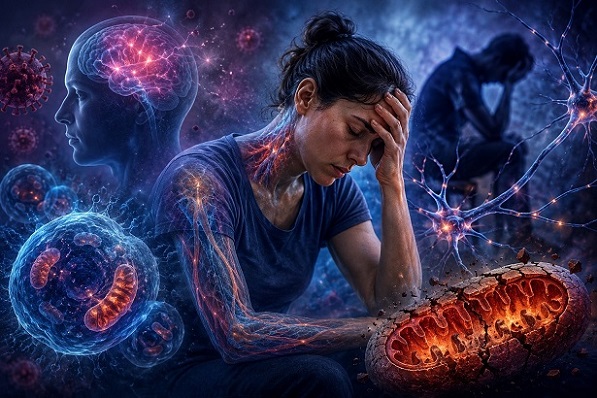 Scientists discover that Long COVID may severely damage cellular energy production and immune responses,
helping explain persistent fatigue and brain fog
The study was conducted by researchers from the Center for Innovative Medical Devices and Sensors (REDDI Lab), the School of Nursing at Clemson University’s College of Behavioral, Social and Health Sciences, and the Department of Bioengineering at Clemson University in South Carolina, USA.
Cells Stuck in Survival Mode
Scientists analyzed blood-derived immune cells from 20 volunteers, including 10 people suffering from Long COVID and 10 individuals who had fully recovered from COVID-19 without lingering symptoms. They also compared the findings with pre-pandemic healthy controls.
The results were striking. Cells from Long COVID patients appeared to be trapped in a prolonged stress response. They burned through energy sources at unusually high rates but gradually lost the ability to maintain that energy production over time.
Researchers discovered major disruptions in key energy-producing pathways involving glucose, galactose, pyruvate, fructose, mannose, and the citric acid cycle, which is essential for generating cellular fuel. The findings suggest that SARS-CoV-2 infection may trigger long-term metabolic reprogramming inside human cells.
The researchers found that cells from people previously infected with COVID-19 showed energy utilization levels two to three times higher than those seen in individuals who had never been exposed to the virus. However, in Long COVID patients, those same energy systems eventually appeared exhausted and dysfunctional.
Fatigue and Brain Fog Finally Explained?
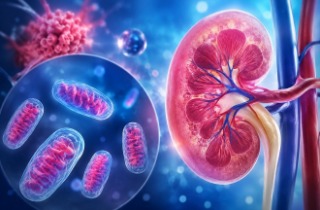
One of the most important discoveries involved mitochondrial dysfunction. Mitochondria are often called the “powerhouses” of cells because they generate most of the body’s usable energy.
In Long COVID patients, the mitochondria appeared unable to efficiently process fuel. This reduced energy production may explain why many sufferers experience overwhelming fatigue, dizziness, memory problems, shortness of breath, muscle pain, and exercise intolerance even long after the infection has cleared.
The study also found that the more symptoms a person had, the worse their cellular dysfunction became. Patients with four or more Long COVID symptoms showed the most dramatic metabolic collapse.
This
Medical News report highlights how the disease may not simply be psychological or inflamm
atory, but instead involve deep biological damage affecting the body’s core energy systems.
Immune Cells Became Less Responsive
Researchers also uncovered troubling evidence of immune dysfunction. Cells from Long COVID patients responded poorly to hormones, cytokines, and metabolic signaling molecules that normally regulate immune activity and tissue repair.
The impaired response was especially severe in patients with officially diagnosed Long COVID.
Notably, the immune cells showed weak reactions to inflammatory signaling molecules such as IL-1β and IL-6, suggesting that the immune system may become desensitized after prolonged exposure to inflammation.
Scientists believe this may help explain why some Long COVID sufferers remain vulnerable to repeated infections, chronic inflammation, and persistent illness.
Young Adults Were Heavily Affected
Another surprising finding was the high number of young adults reporting lingering symptoms. The study surveyed Clemson University students and staff and found that nearly half of respondents experienced symptoms lasting three months or longer after infection.
The most commonly reported symptoms included fatigue, shortness of breath, headaches, forgetfulness, joint pain, dizziness, menstrual changes, and inability to exercise normally.
Researchers warned that the long-term economic and social impact could become enormous if large numbers of younger adults continue struggling with reduced physical and cognitive function.
A Future Diagnostic Tool?
The researchers believe the metabolic signatures identified in the study could eventually help doctors diagnose Long COVID more accurately. Currently, no definitive laboratory test exists for the condition.
Instead of relying on a single biomarker, the scientists suggest that a broader metabolic profile may provide a more reliable way to identify patients and predict disease severity.
The study also raises hopes that future treatments could target mitochondrial repair, immune regulation, and metabolic recovery pathways.
Conclusion
The findings provide compelling new evidence that Long COVID is linked to measurable biological abnormalities rather than vague or unexplained symptoms. The research shows that SARS-CoV-2 infection may leave behind long-lasting damage to cellular energy systems, immune signaling pathways, and metabolic regulation. Importantly, the severity of these disruptions closely matched the burden of symptoms experienced by patients. Researchers say larger studies are urgently needed, but the discovery of these metabolic fingerprints may open the door to better diagnostics, more personalized treatments, and a deeper understanding of why so many people continue suffering long after the original infection has ended.
The study findings were published in the peer reviewed journal: Infectious Disease Reports.
https://www.mdpi.com/2036-7449/18/3/50
For the latest on Long COVID, keep on logging to Thailand
Medical News.
Read Also:
https://www.thailandmedical.news/articles/long-covid




 Share
Share
 Tweet
Tweet
 Share
Share