Kerala’s Hepatitis A Outbreak Shatters Records and Sparks Alarm as 82 Die and 31,536 Infected
Nikhil Prasad Fact checked by:Thailand Medical News Team Jan 05, 2026 8 months, 4 weeks, 1 day, 18 hours, 33 minutes ago
Medical News: A historic surge that has stunned health officials
Kerala, a coastal state in India is facing its worst recorded outbreak of Hepatitis A, with the disease reaching levels never seen before in the state. As of December 30, 2025, official data shows 31,536 confirmed and probable cases alongside 82 reported deaths. The numbers mark a grim milestone and have triggered urgent discussions about water safety, sanitation failures, and gaps in public health surveillance. Health authorities warn that the situation reflects not just a seasonal outbreak but a deeper systemic issue that has been building for years.
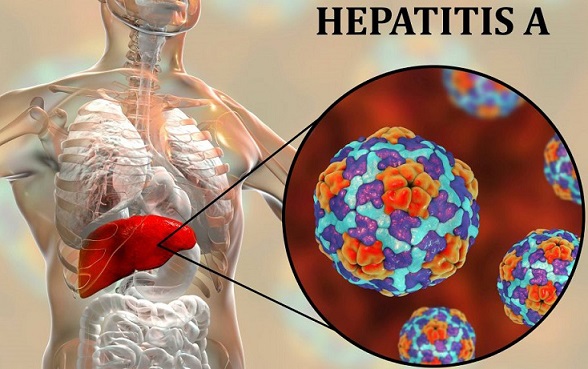 A historic surge of Hepatitis A cases in Kerala exposes deep sanitation gaps and the urgent need for vaccination
and clean water safeguards
Unlike earlier spikes that were largely contained, this outbreak has spread widely across districts, affecting both urban and semi urban communities. The sharp rise has stretched hospitals, increased demand for intensive care, and raised fears of further escalation if preventive measures are not strengthened quickly.
Why this outbreak is different from previous years
Experts observing the trend say this surge stands apart due to its scale and severity. Investigations have repeatedly linked infections to contaminated groundwater, leaking sewage systems, and poor environmental hygiene in densely populated regions. Rapid urbanization without parallel upgrades in sanitation infrastructure has created conditions where fecal contamination of water sources can easily occur.
A critical shift has also been noted in the age profile of those infected. In the past, Hepatitis A commonly affected young children who often experienced mild or unnoticed illness. Now, a growing number of adolescents and adults are being infected. This age shift is significant because older individuals are far more likely to develop severe symptoms, complications, and in some cases fatal outcomes. The change has directly contributed to higher hospitalization rates and the unprecedented death toll.
How Hepatitis A attacks the body
Hepatitis A is caused by the Hepatitis A virus, which primarily targets the liver. Transmission occurs through consumption of food or water contaminated with fecal matter from an infected person or through close personal contact. Areas lacking clean water supplies and proper toilet facilities are especially vulnerable.
Unlike Hepatitis B or C, Hepatitis A does not lead to chronic liver disease. However, it should not be dismissed as harmless. In severe cases, the infection can cause acute liver failure, particularly in adults or individuals with underlying liver conditions. According to the World Health Organization, about 1.4 million people develop symptomatic Hepatitis A every year worldwide, while millions more remain infected without obvious symptoms, unknowingly spreading the virus.
Symptoms that are often ignored until it is too late
One of the biggest challenges in controlling the outbreak is delayed diagnosis. Symptoms usually appear two to six weeks after exposure, making it difficult for people to trace the source of infection. Early signs suc
h as fatigue, low grade fever, joint pain, nausea, vomiting, and abdominal discomfort are often mistaken for routine viral illnesses.
Dark coloured urine and pale stools are important warning signs that may appear before jaundice sets in. Once yellowing of the skin and eyes becomes visible, liver involvement is already significant. Late presentation not only worsens patient outcomes but also increases the risk of household and community transmission. This
Medical News report highlights that silent spread remains a major driver of the Kerala outbreak.
Prevention and vaccination take center stage
There is no specific antiviral treatment for Hepatitis A. Medical care focuses on rest, hydration, and monitoring liver function until recovery occurs. This makes prevention the most powerful weapon against the disease. The Hepatitis A vaccine is highly effective and provides long term protection when given in two doses, usually six months apart.
Vaccination is especially important for children, people with chronic liver disease, travelers to high-risk areas, men who have sex with men, and communities experiencing active outbreaks. Alongside vaccination, strict hand hygiene, safe food handling, and access to clean drinking water can dramatically reduce transmission.
Staying safe during an active outbreak
Public health experts stress that simple habits can save lives. Drinking boiled or bottled water, avoiding food from unhygienic sources, washing fruits and vegetables thoroughly, and peeling fruits at home are essential steps. In households with an infected person, surfaces should be disinfected regularly, food preparation handled carefully, and personal items not shared.
On a broader level, authorities emphasize that long term solutions must focus on upgrading water treatment systems, repairing sewage infrastructure, and strengthening disease surveillance so outbreaks are detected early rather than after they spiral out of control.
Why the Kerala outbreak is a warning for the future
The scale of the current crisis serves as a stark reminder that economic progress without public health investment carries heavy consequences. The combination of contaminated water, sanitation gaps, and shifting age vulnerability has created a perfect storm. Unless systemic issues are addressed, similar or worse outbreaks could emerge not only in Kerala but across other regions with comparable conditions. The lessons from this outbreak underline the urgent need for preventive action, sustained infrastructure investment, and widespread vaccination to protect future generations from avoidable loss.
For the latest news on the Hepatitis Outbreak in India, keep on logging to Thailand
Medical News.
Read Also:
https://www.thailandmedical.news/articles/infectious-diseases




 Share
Share
 Tweet
Tweet
 Share
Share

































