Nikhil Prasad Fact checked by:Thailand Medical News Team Jan 09, 2026 8 months, 3 weeks, 5 days, 2 hours, 57 minutes ago
Medical News: Hidden Household Threat Raises Concern
A growing environmental worry may be sitting silently in sofas carpets and electronics across the world. Tris(1-chloro-2-propyl) phosphate or TCIPP a flame retardant widely used in everyday consumer products is now being linked to harmful effects on lung health. A major new study covered this
Medical News has uncovered how this common chemical may undermine breathing and how a simple nutrient might help protect the lungs. The study was conducted by researchers at Nanjing Medical University School of Public Health, China.
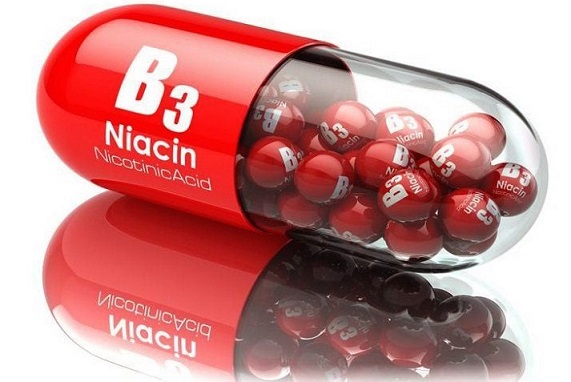 Niacin may help the lungs withstand damage caused by everyday flame retardant exposure
Pollutant Exposure Weakens Lung Function
Niacin may help the lungs withstand damage caused by everyday flame retardant exposure
Pollutant Exposure Weakens Lung Function
The research team analyzed health and nutrition data from 1031 Americans aged over 20 using the National Health and Nutrition Examination Survey. They tracked levels of BCIPP the main breakdown product of TCIPP in urine and compared these readings against lung function tests.
The analysis revealed a clear pattern. People with higher BCIPP tended to have lower readings of FEV1 and FVC the standard measures doctors use to check how strongly and fully a person can exhale. The study found that effects differed by sex with men showing stronger negative responses.
Vitamin B3 Shows Promising Defense
This same population study made another important discovery. People with higher daily intake of niacin also known as vitamin B3 generally had better lung function. The benefit was most striking among men exposed to lower levels of BCIPP suggesting diet may blunt pollutant damage.
To test the idea directly, the scientists created a mouse model. Male mice exposed to rising doses of TCIPP developed unmistakable lung injury including inflamed airways enlarged alveoli and stiffening of lung structures mirroring the pathway to asthma and chronic lung disease. TCIPP also pushed inflammatory molecules like IL6 and TGF-β1 sharply upward while weakening natural antioxidant defenses in cells.
Niacin Supplementation Softens Lung Damage
When another group of TCIPP-exposed mice received heavy niacin supplementation their lungs fared far better. Injured areas shrank inflammatory cells were fewer and breathing capacity partially returned. Measures of oxidative stress also reversed meaning niacin helped restore chemical balance within lung tissue.
Molecular experiments suggested why. Niacin suppressed the activation of NF-κB a master switch inside cells that triggers inflammation when pollutants strike. By dialing down this switch niacin appeared to halt the chain reaction that turns chemical exposure into lung damage.
What the Findings Mean
Taken together the study suggests that a widely used flame retardant may contribute to hidden lung injury and that ordinary nutrition could offer some protection. The authors stress niacin is not a cure for pollution and doses tested in mice were far higher than normal diets. Yet t
he results point to a path where simple nutrients may help the body resist environmental hazards. The conclusions hint that future public health advice may need to cover not only what chemicals we breathe but what foods we eat to balance their effects.
The study findings were published in the peer reviewed journal Antioxidants.
https://www.mdpi.com/2076-3921/15/1/85
For the latest on supplements, keep on logging to Thailand
Medical News.
Read Also:
https://www.thailandmedical.news/articles/supplements




 Share
Share
 Tweet
Tweet
 Share
Share