Nikhil Prasad Fact checked by:Thailand Medical News Team Mar 20, 2026 4 months, 2 weeks, 5 days, 11 hours, 50 minutes ago
Medical News:
Study Explores Why Symptoms May Last Long After Infection
A new scientific review is shedding light on a key question that has puzzled doctors and patients alike: why do some people continue to feel unwell long after recovering from COVID-19?
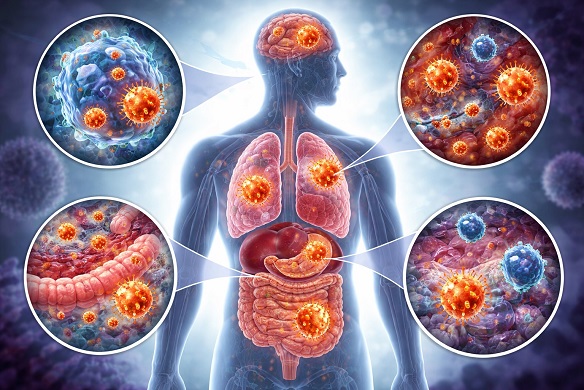 Scientists find lingering SARS-CoV-2 fragments in multiple organs, offering new clues into long COVID symptoms
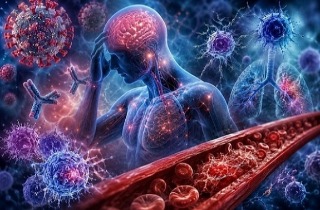
Researchers now suggest that remnants of the SARS-CoV-2 virus may remain in the body for extended periods, potentially contributing to ongoing symptoms known as long COVID.
The study was conducted by scientists from the Functional Food Research Institute at the Industry-University Cooperation Foundation, the Department of Foodcare YAKSUN, and the Department of Food Science and Biotechnology, all based at Daegu Haany University in Gyeongsan-si, Republic of Korea.
Viral Remnants Found in Multiple Organs
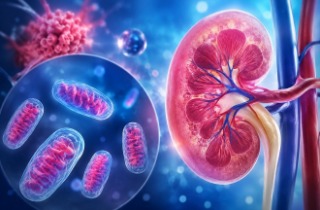
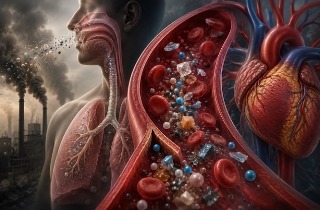
According to the review, traces of the virus—including RNA and proteins—have been detected in various organs even after the acute infection phase has ended. These include the lungs, heart, brain, gastrointestinal tract, and kidneys.
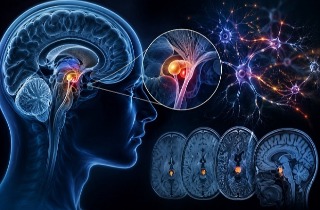
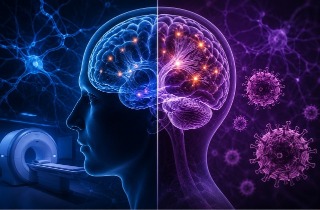
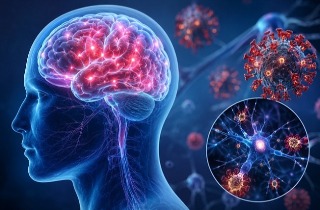
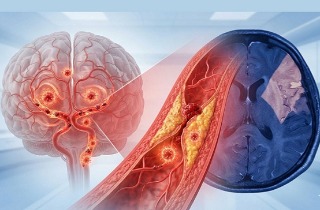
In the lungs, viral material may persist within immune cells that are unable to fully clear it. In the heart, remnants have been associated with inflammation that could affect cardiovascular function. In the brain, viral signals have been linked to neurological symptoms such as memory issues and difficulty concentrating.
The gastrointestinal tract appears to be a particularly important site. Because it contains high levels of receptors that the virus uses to enter cells, viral fragments may remain there long after respiratory symptoms subside.
How Viral Fragments Remain in the Body
Unlike viruses that become dormant, SARS-CoV-2 does not appear to establish a classic latent infection. Instead, it may leave behind fragments that the immune system cannot completely eliminate.
These fragments can persist in immune cells such as macrophages, which engulf viral particles but may retain them instead of fully destroying them. The virus also has the ability to interfere with normal immune responses, reducing the body’s ability to detect and clear infected cells. In some individuals, especially those with underlying health conditions or weakened immunity, this may increase the likelihood of persistent viral material.
Link to Long COVID Symptoms
This
Medical News report highlights that these lingering viral components may continuously stimulate the immune system, even in the absence of active infection.
As a result, the body may remain in a state of low-grade inflammation. This ongoing immune activity is believed to contribute to many long COVID symptoms, including fatigue, shortness of breath, muscle pain, and cognitive difficulties.
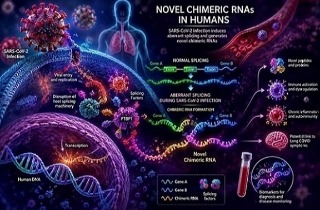
In addition, the persistence of viral proteins—particularly the spike protein&
mdash;may trigger abnormal immune responses. In some cases, this could lead to autoimmune-like reactions where the body mistakenly attacks its own tissues.
Evidence From Clinical and Laboratory Studies
The findings are supported by multiple studies that have detected viral RNA and proteins in tissue samples, body fluids, and immune cells.
Advanced techniques such as PCR testing and imaging methods have confirmed the presence of viral material in different parts of the body months after infection.
However, researchers emphasize that detecting viral fragments does not necessarily mean the virus is still active or capable of spreading. In most cases, these are likely non-infectious remnants.
Still, the possibility of low-level viral activity in certain tissues cannot be completely ruled out.
Implications for Treatment
The presence of persistent viral material has important implications for how long COVID is managed.
Researchers are exploring whether antiviral medications could help eliminate remaining viral fragments. Drugs used during acute COVID-19, including protease inhibitors and monoclonal antibodies, are being studied for potential benefits in long COVID patients.
At the same time, treatments aimed at regulating the immune system are also under investigation. These include anti-inflammatory medications and targeted therapies designed to reduce chronic immune activation.
Currently, most treatment approaches focus on relieving symptoms rather than addressing the underlying cause.
Conclusion
The growing evidence that SARS-CoV-2 fragments may persist in the body provides an important piece of the long COVID puzzle, but it does not yet offer definitive answers. While studies clearly show that viral RNA and proteins can remain in multiple organs, the exact role these remnants play in causing ongoing symptoms is still being investigated.
What is becoming increasingly clear is that these lingering viral components may contribute to sustained immune activation and chronic inflammation in some individuals. Further research is essential to determine whether targeting these remnants can lead to effective treatments and improved recovery for those affected by long COVID.
The study findings were published in the peer reviewed journal: COVID.
https://www.mdpi.com/2673-8112/6/3/54
For the latest COVID-19 News, keep on logging to Thailand
Medical News.
Read Also:
https://www.thailandmedical.news/articles/long-covid




 Share
Share
 Tweet
Tweet
 Share
Share