Nikhil Prasad Fact checked by:Thailand Medical News Team May 11, 2026 3 months, 3 weeks, 1 day, 22 hours, 4 minutes ago
Medical News: For decades, a little-known natural compound called “Vitamin U” has quietly fascinated scientists because of its apparent ability to protect and heal the body. Now, a major new review is bringing renewed attention to this unusual nutrient-like substance, formally known as S-methylmethionine or SMM, suggesting it could have far wider medical potential than previously believed.
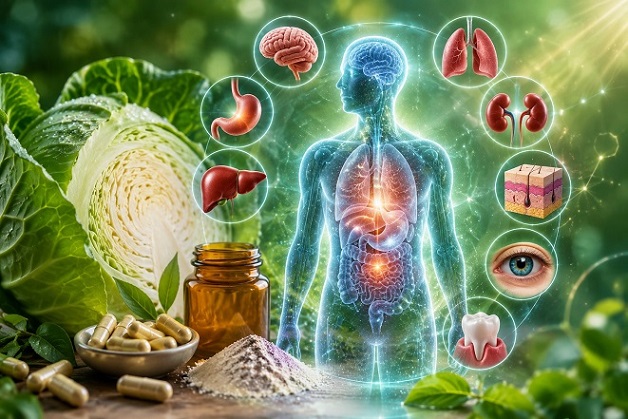 Scientists say Vitamin U may help protect and repair organs throughout the body while fighting inflammation and
oxidative stress
Researchers from the A.P. Nelyubin Institute of Pharmacy at First Moscow State Medical University (Sechenov University), the N.V. Sklifosovskiy Institute of Clinical Medicine at Sechenov University, M.V. Lomonosov Moscow State University, the Biomedical Science & Technology Park at Sechenov University, and MIREA—Russian Technological University in Moscow, Russia, examined more than 70 years of scientific evidence surrounding Vitamin U and its effects on human health.
Originally Linked to Cabbage Juice Healing
Vitamin U first attracted attention in the 1940s when doctors noticed that patients with stomach ulcers appeared to recover faster after drinking raw cabbage juice. Scientists later identified S-methylmethionine as one of the key compounds believed to contribute to these healing effects.
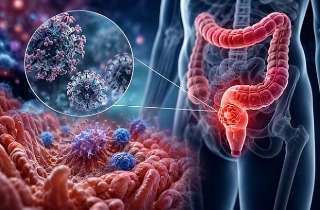
The new review found that the strongest evidence for Vitamin U remains in digestive health. Multiple studies showed that it helped protect the stomach lining, reduce ulcer formation, improve healing of erosions, and stimulate mucus production that shields the stomach from acid damage.
In some older human studies, patients with stomach ulcers who consumed cabbage juice or SMM-containing treatments experienced dramatically faster healing times compared to conventional therapies available at that time.
Beyond The Stomach
What makes the latest findings particularly exciting is that Vitamin U’s possible benefits may extend far beyond ulcers.
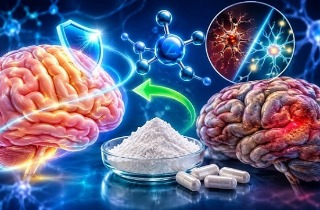
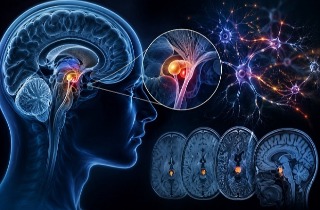
Scientists reviewed experimental studies showing that SMM may help protect the brain, liver, kidneys, lungs, skin, gums, and even the eyes from damage caused by inflammation, toxins, medications, radiation, and oxidative stress.
One of the most impressive areas involved skin regeneration. Studies showed that SMM accelerated wound healing, boosted collagen production, improved skin cell growth, and even protected skin from ultraviolet radiation damage. Researchers discovered that it activates important cellular repair pathways that help damaged tissue recover faster.
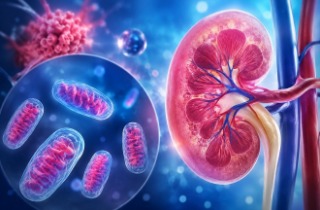
Animal studies also suggested that Vitamin U may help reduce kidney fibrosis, protect lung tissue from inflammation, and lower toxic damage caused by medications such as valproic acid and amiodarone.
This
Medical News report highlights that many of these effects appear to be connected to Vitamin U’s ability to suppress oxidative stress and inflammation inside c
ells.
Powerful Antioxidant Effects
The review explained that oxidative stress occurs when harmful unstable molecules called free radicals overwhelm the body’s natural defenses. This process contributes to aging and many chronic diseases.
Vitamin U appears to strengthen antioxidant defenses by increasing glutathione levels, activating protective cellular pathways, and reducing inflammatory chemicals such as TNF-alpha and IL-1 beta.
Researchers also found evidence that SMM may influence important methylation processes inside the body. These processes are essential for cell repair, detoxification, metabolism, and even brain function.
Human Evidence Still Limited
Despite the promising laboratory and animal findings, the researchers emphasized that modern human clinical studies remain surprisingly scarce.
Most of the stronger evidence comes from older clinical observations or preclinical animal research. Large, modern randomized clinical trials are still lacking, especially for conditions outside digestive diseases.
The scientists noted that Vitamin U has never achieved major pharmaceutical approval in Western countries despite decades of investigation. Regulatory barriers, inconsistent formulations, and limited commercial interest have slowed development.
Still, several small human studies reviewed showed encouraging results in chronic gastritis, ulcerative conditions, periodontal disease, and inflammatory disorders.
Scientists Call for More Research
The researchers concluded that Vitamin U represents a potentially valuable but underexplored therapeutic compound. Its combination of antioxidant, anti-inflammatory, regenerative, and cytoprotective effects makes it especially attractive for diseases involving tissue damage and chronic inflammation.
However, they stressed that stronger clinical evidence is urgently needed before Vitamin U can be fully accepted as a mainstream medical treatment. Future studies will need to determine proper dosing, long-term safety, and which conditions may benefit most from treatment.
For now, the growing scientific interest surrounding this once-forgotten nutrient suggests Vitamin U may eventually emerge as an important natural therapeutic agent with applications far beyond stomach ulcers.
The study findings were published in the peer reviewed journal: Pharmaceuticals.
https://www.mdpi.com/1424-8247/19/5/743
For the latest on Vitamin U, keep on logging to Thailand
Medical News.
Read Also:
https://www.thailandmedical.news/articles/supplements




 Share
Share
 Tweet
Tweet
 Share
Share