Scientists Question Antioxidant Supplements but Find Promise in Resveratrol and Urolithin A
Nikhil Prasad Fact checked by:Thailand Medical News Team Aug 15, 2026 1 month, 2 weeks, 5 hours, 53 minutes ago
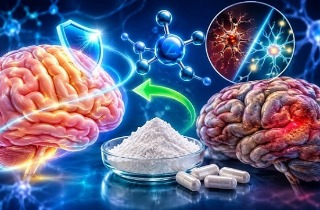
Scientists are questioning the long-held idea that simply taking antioxidant supplements can reliably protect against cardiovascular disease. However, that does not mean researchers are rejecting all antioxidant-related compounds. Instead, emerging evidence highlighted in a new scientific editorial shows promising cardiovascular effects from compounds including resveratrol and urolithin A, while emphasizing that much stronger human evidence is still required.
 Researchers question general antioxidant supplementation while highlighting promising experimental
cardiovascular effects from resveratrol and urolithin A.
The editorial was written by Claudia Fiorillo and Matteo Becatti from the Department of Experimental and Clinical Biomedical Sciences “Mario Serio,” University of Firenze, Florence, Italy. It examines six contributions exploring oxidative stress, atherosclerosis, blood clotting, heart failure, polyphenols and cardiovascular prevention.
Why Scientists Are Questioning General Antioxidant Supplements
The central message is surprisingly different from the familiar claim that antioxidants simply eliminate harmful free radicals.
Reactive oxygen and nitrogen species can become damaging when excessive, contributing to inflammation, blood-vessel injury and cardiovascular disease. But controlled amounts are also necessary for normal processes including blood-vessel regulation, immune responses and cellular signaling.
Therefore, indiscriminately removing these molecules may not necessarily help. Conventional antioxidant supplements have produced inconsistent results in cardiovascular clinical trials, prompting researchers to investigate more precise approaches targeting particular oxidative pathways.
Resveratrol Shows Promising Cardiovascular Actions
Resveratrol emerged as one promising compound. Researchers studying human monocytes, macrophages, endothelial cells and vascular smooth muscle cells found that resveratrol reduced reactive oxygen production, inflammatory gene activity, inflammatory signaling and several other processes involved in atherosclerosis.
Experiments in LDL-receptor-deficient mice fed a high-fat diet produced particularly interesting results. Resveratrol lowered circulating LDL/VLDL cholesterol, but its major effect involved changing the structure of arterial plaques.
It reduced macrophages and T cells while increasing smooth muscle cells and collagen. These changes produced plaques with characteristics associated with greater stability.
As this
Thailand Medical News report emphasizes, researchers are not recommending that people start taking resveratrol supplements for heart disease. Its poor bioavailability remains an important limitation, and properly powered human clinical trials are still needed.
Urolithin A Produces Encouraging Results
Urolithin A also attracted attention. This compound can be produced by intestinal bacteria when they metabolize substances
derived from foods containing ellagitannins, including pomegranate.
Researchers compared punicalagin, ellagic acid and urolithins A, B, C and D. Importantly, these substances did not produce identical effects. Urolithin A demonstrated the most consistent anti-atherosclerotic activity and was therefore tested in mice.
It reduced plaque content, lesion size and vascular obstruction while lowering macrophage and T-cell accumulation. At the same time, smooth muscle cells and collagen increased, resulting in a higher plaque-stability index.
Researchers believe these results justify investigating urolithin A directly as a potential nutraceutical or pharmaceutical candidate. However, human trials must establish appropriate doses, formulations, circulating concentrations and the influence of individual gut-microbiome differences.
Conclusions
The message is therefore neither “antioxidants are bad” nor “take more antioxidants.” Scientists are becoming skeptical of indiscriminate antioxidant supplementation while finding potentially valuable effects from specific compounds such as resveratrol and urolithin A. The future may involve precisely targeting abnormal oxidative pathways rather than broadly suppressing reactive molecules throughout the body, but human clinical evidence remains essential before these experimental findings can support treatment recommendations.
The study findings were published in the peer reviewed journal: Antioxidants.
https://www.mdpi.com/2076-3921/15/8/1001
Read Also:
https://www.thailandmedical.news/articles/cardiology
https://www.thailandmedical.news/articles/herbs-and-phytochemicals




 Share
Share
 Tweet
Tweet
 Share
Share