Nikhil Prasad Fact checked by:Thailand Medical News Team Jul 18, 2026 1 month, 2 weeks, 1 day, 15 hours, 7 minutes ago
Medical News: Scientists Discover COVID-19 Alters the Bacterial Landscape Inside the Body's Immune Cells
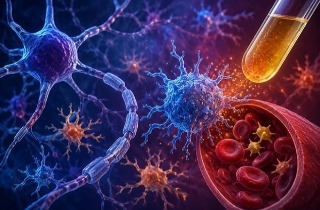
Scientists have uncovered compelling new evidence that SARS-CoV-2 infection does far more than attack human cells. A new study has found that COVID-19 dramatically changes the bacteria living inside immune cells, with some potentially harmful microbes remaining active long after the virus has disappeared. The findings suggest these persistent bacterial changes could contribute to the lingering inflammation and immune dysfunction seen in many people with Long COVID.
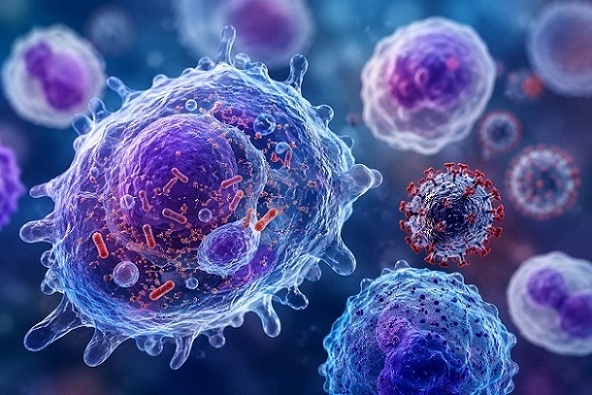 Scientists discover that COVID-19 reshapes bacteria living inside immune cells, a finding that may help explain
the biological drivers of Long COVID
The study was conducted by researchers from the CSIR-Institute of Genomics and Integrative Biology (CSIR-IGIB), Delhi, the Academy of Scientific and Innovative Research (AcSIR), Ghaziabad, Max Super Speciality Hospital, Max Healthcare, Delhi, and the Victor Phillip Dahdaleh Heart and Lung Research Institute, University of Cambridge, United Kingdom.
Unknown to many people, bacteria exist inside human immune cells either as harmful pathogens or beneficial symbionts. In infections, dangerous bacteria hijack the engulfing process of macrophages and neutrophils, surviving and replicating directly inside the cells meant to destroy them. Conversely, healthy immune cells in lymphoid tissues naturally host beneficial bacteria that do not cause illness. Instead, these symbiotic residents act as an internal training system to calibrate immune responses, prevent chronic inflammation, and promote tissue repair
Looking Beyond the Virus
The researchers analyzed blood samples from 57 participants, including healthy individuals, patients infected with the Omicron variant of SARS-CoV-2, recently recovered patients, and people examined three months after recovery. Using advanced single-cell RNA sequencing, they examined more than 191,000 individual immune cells, allowing them to identify not only human genetic material but also active bacterial genes inside those cells. This revealed an unexpected picture of how COVID-19 reshapes the body's internal microbial ecosystem.
Harmful Bacteria Increase During COVID-19
One of the most important findings was that COVID-19 patients carried a much greater diversity of bacteria inside their immune cells than healthy individuals.
Opportunistic bacteria such as Escherichia coli, Providencia stuartii, Campylobacter jejuni, Haemophilus influenzae, Priestia megaterium, and Mycoplasma hyopneumoniae became significantly more abundant during infection and often remained elevated in recently recovered patients.
By contrast, healthy volunteers and those who had recovered for several months showed higher levels of bacteria considered more compatible with a balanced immune system, including Streptomyces sviceus and Enterococcus faecalis. This suggests the microbial community gradually returns toward normal, although some changes may persist.
Immune Cells Become Reservoirs for Bacteria
This
thailandmedical.news/">Medical News report highlights another remarkable discovery from the study. Researchers found bacteria residing inside many different immune cells, including T cells, B cells, plasma cells, platelets, dendritic cells, monocytes and natural killer cells.
The infected group showed substantial losses of several protective immune cell populations while simultaneously displaying greater bacterial activity inside many of the remaining immune cells. These findings suggest that SARS-CoV-2 weakens immune defenses in ways that allow opportunistic bacteria to invade and persist within the very cells responsible for fighting infection.
Active Bacterial Genes Suggest Ongoing Biological Activity
The study also showed that these bacteria were far from inactive passengers. Researchers detected hundreds of active bacterial genes involved in stress responses, virulence, DNA repair, protein production and antimicrobial resistance. For example, E. coli widely expressed the stress-response gene sgrR, while Mycoplasma hyopneumoniae expressed genes involved in protein synthesis across almost every major immune cell type. Genes linked to antibiotic resistance and bacterial survival were also detected, indicating these microbes remain metabolically active and capable of adapting to their intracellular environment. The researchers also identified bacterial genes associated with genome defense systems that may help these microbes survive inside immune cells despite ongoing immune attacks.
New Clues to Long COVID
Perhaps the most significant observation was that some bacterial signatures remained detectable months after recovery. Although the overall microbial community gradually shifted back toward a healthier balance, several intracellular bacteria and their active genes persisted during long-term recovery.
The researchers believe these lasting microbial changes may continue influencing immune responses, chronic inflammation and tissue repair, making them possible contributors to Long COVID. They also found that infection status—not age—was the primary factor responsible for the microbial alterations observed throughout the study.
Conclusion
The study provides strong evidence that SARS-CoV-2 infection reshapes the bacterial communities living inside immune cells and that these changes can persist well beyond the acute illness. The discovery of active bacterial survival, virulence and antimicrobial resistance genes offers an entirely new perspective on Long COVID and suggests that restoring healthy intracellular microbial balance could eventually become an important target for future therapies aimed at improving long-term recovery.
The study findings were published in the peer reviewed journal: iScience.
https://www.cell.com/iscience/fulltext/S2589-0042(26)01719-0
For the latest on Long COVID, keep on logging to Thailand
Medical News.
Read Also:
https://www.thailandmedical.news/articles/coronavirus




 Share
Share
 Tweet
Tweet
 Share
Share