COVID-19 Drug Calms Inflammation but Risks for Blood Vessel Damage and Blood Clots Remain
Nikhil Prasad Fact checked by:Thailand Medical News Team Jan 23, 2026 6 months, 2 weeks, 19 hours, 28 minutes ago
Medical News: Severe COVID-19 has long been known to cause dangerous inflammation and abnormal blood clotting, increasing the risk of organ damage and death. A new clinical investigation now shows that while a commonly used immune drug can rapidly calm inflammation, problems in blood vessels and clot breakdown may continue longer than expected.
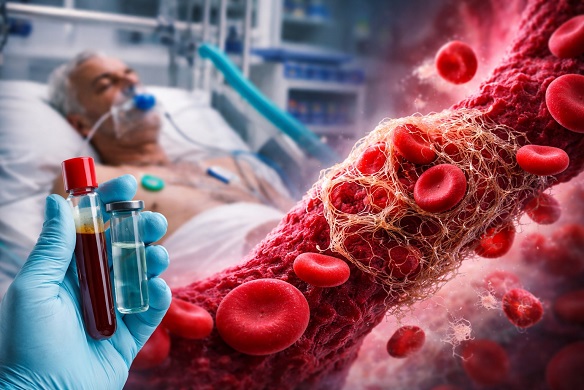 Blocking inflammation in severe COVID-19 helps quickly, but hidden blood clot risks may last longer than expected
Researchers from Semmelweis University in Budapest, Szent György University Teaching Hospital of Fejér County, University of Szeged, Flór Ferenc County Hospital, University of Pécs, Szentágothai Research Centre, and Poznan University of Medical Sciences in Poland closely tracked how the blood systems of critically ill COVID-19 patients changed after treatment with tocilizumab, a drug that blocks the inflammatory molecule interleukin-6. This
Medical News report highlights findings that may help doctors better understand lingering clotting risks in severe COVID-19 cases.
Why inflammation and clotting matter in COVID-19
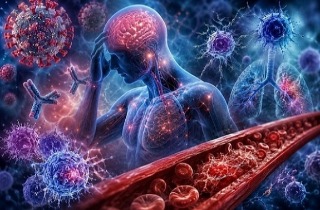
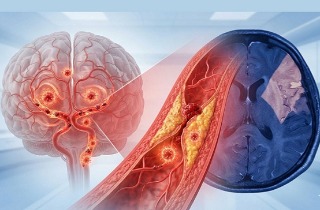
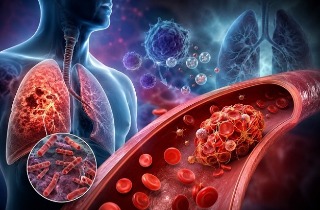
In serious COVID-19 infections, the immune system can go into overdrive. High levels of inflammation damage the lining of blood vessels and trigger excessive clot formation. These clots can block blood flow in the lungs, heart, brain, and other organs. Tocilizumab is widely used to reduce this immune overreaction, but its effects on clotting and clot breakdown over time have remained unclear.
How the study was conducted
The study followed 15 critically ill COVID-19 patients in intensive care units across Hungary. All patients received tocilizumab and standard treatments such as steroids and blood thinners. Blood samples were taken before treatment and repeatedly over seven days. Researchers examined markers of inflammation, blood clot strength, vessel injury, and the body’s ability to dissolve clots.
Key findings explained simply
The results showed that inflammation dropped quickly after treatment. Levels of C-reactive protein, a key marker of inflammation, fell by more than 90 percent within days. Fibrinogen, a protein that makes blood clots thicker and stronger, also steadily declined.
However, markers linked to blood vessel injury, especially von Willebrand factor, continued to rise. This suggests that although inflammation improved, the blood vessel lining remained damaged. Tests of clot strength showed that clots stayed firm and resistant to breakdown, even as inflammation eased.
At the same time, signs of impaired clot dissolution persisted. Important clot-dissolving regulators increased in a way that slowed fibrinolysis, the natural process that breaks down clots. D-dimer levels, which reflect ongoing clot formation and breakdown, rose during the first days before slowly stabilizing.
What these results mean
Overall, the findings indicate that blo
cking interleukin-6 helps control the inflammatory storm of COVID-19 but does not fully restore normal blood vessel function or clot behavior. The body appears to remain in a pro-thrombotic, or clot-prone, state for days after inflammation improves.
Conclusions
These findings show that severe COVID-19 is more than just an inflammation problem. Even when immune overactivity is successfully reduced, damage to blood vessels and resistance to clot breakdown can persist. This highlights the need for continued monitoring and possibly targeted therapies aimed at blood vessels and clotting systems, not just inflammation, to fully reduce complications and improve outcomes in critically ill patients.
The study findings were published in the peer reviewed journal: Biomedicines.
https://www.mdpi.com/2227-9059/14/1/254
For the latest COVID-19 news, keep on logging to Thailand
Medical News.
Read Also:
https://www.thailandmedical.news/articles/coronavirus
https://www.thailandmedical.news/articles/long-covid




 Share
Share
 Tweet
Tweet
 Share
Share