Nikhil Prasad Fact checked by:Thailand Medical News Team Jul 05, 2026 1 month, 4 weeks, 21 hours, 36 minutes ago
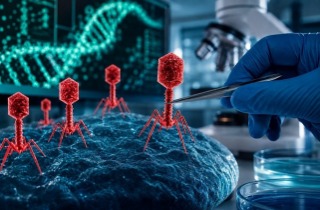
Medical News: A widely prescribed cholesterol-lowering medication could offer an unexpected line of defense against COVID-19 if taken before exposure to the virus, according to new research from scientists in Sweden. The findings suggest that simvastatin may make it much harder for SARS-CoV-2 to establish an infection by altering the structure of human cell membranes rather than attacking the virus itself.
 Researchers found that simvastatin may help prevent SARS-CoV-2 infection by reorganizing cell membranes
before viral exposure
The research was conducted by scientists from the Department of Clinical Microbiology at Sahlgrenska University Hospital, the Department of Infectious Diseases, Institute of Biomedicine, The Sahlgrenska Academy, University of Gothenburg, and the Department of Medical Biochemistry and Cell Biology, Institute of Biomedicine, The Sahlgrenska Academy, University of Gothenburg, all in Gothenburg, Sweden.
A Different Way to Stop the Virus
Unlike antiviral drugs that directly target the virus, simvastatin appears to work by changing the environment inside human cells. SARS-CoV-2 depends on cholesterol-rich areas of the cell membrane to gain entry and later to escape after making new virus particles. By reducing cholesterol production, simvastatin reorganizes these membrane structures, making infection far less efficient.
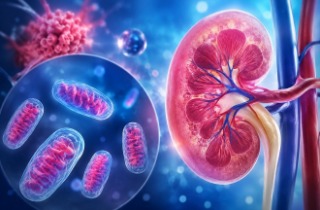
Researchers tested the drug in both human lung cells and kidney cells using the original D614G strain as well as the Omicron BA.1 variant. In every case, simvastatin reduced viral infection in a dose-dependent manner at concentrations considered clinically relevant. Importantly, the protective effect was observed without significantly harming healthy cells.
Timing Turned Out to Be the Key
One of the study's most important discoveries was that when the drug was given mattered more than anything else.
Cells treated with simvastatin several days before exposure to SARS-CoV-2 showed a dramatic reduction in viral replication, with virus levels dropping by several orders of magnitude. However, adding the drug after infection had already taken hold produced little or no measurable benefit.
This finding may help explain why earlier clinical trials that started statin treatment only after COVID-19 patients were hospitalized produced disappointing results. By then, much of the viral damage had already begun, leaving little opportunity for simvastatin to prevent infection of healthy cells.
This
Medical News report highlights that the study supports the idea of using simvastatin as a preventive treatment for individuals at high risk of exposure rather than as a late-stage therapy.
How Simvastatin Changes Human Cells
The scientists discovered that simvastatin reduced the tight packing of fats within the outer membrane of cells, making the membrane more fluid and reducing the number of specialized cholesterol-rich regions often called lipid rafts.
t;
The drug also altered the location of ACE2, the receptor SARS-CoV-2 uses to enter cells. Instead of remaining concentrated on the cell surface, more ACE2 was found inside the cells after simvastatin treatment. With fewer receptors readily available on the outer surface, the virus may have a more difficult time establishing infection.
Interestingly, simvastatin did not significantly reduce the virus's ability to initially bind to cells or become internalized under the experimental conditions. This suggests its strongest protective effects occur during later stages of the infection process, possibly by disrupting virus production, spread between cells, or release of newly formed viral particles.
Potential Benefits Beyond COVID-19
Because simvastatin targets the human cell rather than the virus itself, its effectiveness is less likely to be reduced by new viral mutations. The researchers demonstrated antiviral activity against both an early pandemic strain and the Omicron BA.1 variant, supporting the possibility that this approach could remain useful even as SARS-CoV-2 continues to evolve.
Since simvastatin is inexpensive, widely available, well understood and already prescribed to millions of people worldwide, it represents an attractive candidate for drug repurposing. The researchers believe elderly individuals, immunocompromised patients and other vulnerable groups may potentially benefit most from preventive treatment, although properly designed clinical trials will be needed before such an approach can be recommended.
Conclusion
The study provides compelling laboratory evidence that simvastatin may help prevent SARS-CoV-2 infection when taken before viral exposure by reorganizing cell membranes and changing the distribution of ACE2 receptors rather than directly attacking the virus. Although the findings are encouraging, they are based on laboratory cell studies and should not be interpreted as proof that simvastatin prevents COVID-19 in people. Carefully conducted randomized clinical trials are now needed to determine whether preventive use of simvastatin can reduce infection rates or disease severity in real-world settings while confirming the safest timing and patient groups for such treatment.
The study findings were published in the peer reviewed journal: Infectious Diseases.
https://www.tandfonline.com/doi/full/10.1080/23744235.2026.2695417
For the latest COVID-19 news, keep on logging to Thailand
Medical News.
Read Also:
https://www.thailandmedical.news/articles/coronavirus
https://www.thailandmedical.news/articles/covid19-drugs




 Share
Share
 Tweet
Tweet
 Share
Share