Turkiye Scientists Discover That the Heart Drug Nebivolol Can Shield the Brain from Damage
Nikhil Prasad Fact checked by:Thailand Medical News Team Dec 11, 2025 9 months, 3 weeks, 2 days, 18 hours, 59 minutes ago
Medical News: A Heart Medication Shows Unexpected Brain Benefits
A groundbreaking new study has uncovered that nebivolol, a commonly prescribed heart medication, may also offer vital protection for the brain during a heart attack. Researchers from Istanbul University and the University of Health Sciences in Türkiye conducted the study, which explored how nebivolol can reduce brain inflammation and damage caused by acute myocardial infarction (MI), also known as a heart attack.
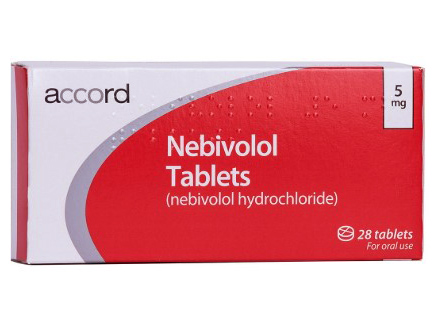 Nebivolol found to reduce brain inflammation and structural damage during acute myocardial infarction
This
Medical News report highlights how the drug’s unique nitric oxide-releasing properties can provide not only cardiovascular support but also neuroprotective effects—especially when administered intravenously.
Understanding the Heart Brain Connection
While heart attacks primarily damage the heart, they also trigger severe responses in the brain. Inflammation and oxidative stress spread from the heart to the brain, affecting areas such as the cerebral cortex and hippocampus. This contributes to memory loss, increased stroke risk, and emotional disturbances like anxiety and depression after a heart attack.
To investigate this connection, the research team used rat models to simulate heart attacks and then measured brain responses. They divided the animals into groups: a control group, a group given oral nebivolol, and another given intravenous nebivolol followed by oral doses.
Key Findings Reveal Neuroprotective Effects
The study found that animals suffering heart attacks showed signs of brain damage, including inflammation, increased oxidative stress, structural changes, and higher levels of harmful cytokines (IL-1β, IL-6, TNF-α). However, those treated with intravenous nebivolol had significantly lower levels of brain damage.
Some of the most important observations included:
-Reduced oxidative stress in key brain regions
-Lower levels of harmful inflammation-causing cytokines
-Decreased expression of iNOS (a damaging enzyme triggered by inflammation)
-Less structural damage in the brain, such as gliosis and demyelination
Interestingly, oral nebivolol provided only limited benefits, suggesting that the way the drug is administered is crucial. Intravenous delivery offered a much faster and more potent effect, reducing brain damage more effectively during the critical early phase of a heart attack.
The Role of Nitric Oxide in Brain Protection
Nebivolol works differently from traditional beta-blockers. It not only slows the heart rate and reduces blood pressure, but it also increases nitric oxide in the body. Nitric oxide helps maintain blood flow in the brain, protects the blood–brain barrier, and regulates inflammation.
&l
t;br />
The study showed that nebivolol restored the balance between nitric oxide-producing enzymes in the brain. This kept the levels of harmful nitric oxide in check while supporting healthy brain function.
Broader Impact on Heart and Brain Recovery
The research not only reinforces nebivolol’s value in heart disease treatment but also opens the door to its use in protecting brain function during and after heart attacks. It points to a future where one drug can offer dual benefits—preserving both heart and brain health.
The study’s authors—Guldem Mercanoglu, Ozge E. Bamac, Gulbin Sennazlı, Rivaze Kalaycı, and Fehmi Mercanoglu—emphasize the importance of considering neuroinflammation as a serious consequence of cardiac events.
Conclusions and Future Directions
These findings suggest that intravenous nebivolol may serve as a powerful treatment for preventing both heart and brain damage following a heart attack. By reducing harmful inflammation and oxidative stress, the drug offers a promising dual-action strategy. Future clinical studies in humans will be necessary to confirm these effects and determine the best treatment protocols.
The study findings were published in the peer reviewed journal: Life.
https://www.mdpi.com/2075-1729/15/12/1880
For the latest on the neuroprotective properties of nebivolol, keep on logging to Thailand
Medical News.
Read Also:
https://www.thailandmedical.news/articles/med-news




 Share
Share
 Tweet
Tweet
 Share
Share

































