Nikhil Prasad Fact checked by:Thailand Medical News Team Apr 19, 2026 3 months, 4 days, 13 hours, 18 minutes ago
Medical News: A growing body of research is drawing urgent attention to a little-known but vital nutrient—selenium—and its critical role in protecting the health of premature babies. Scientists now warn that current supplementation practices may not be enough to support these highly vulnerable newborns, potentially exposing them to serious complications.
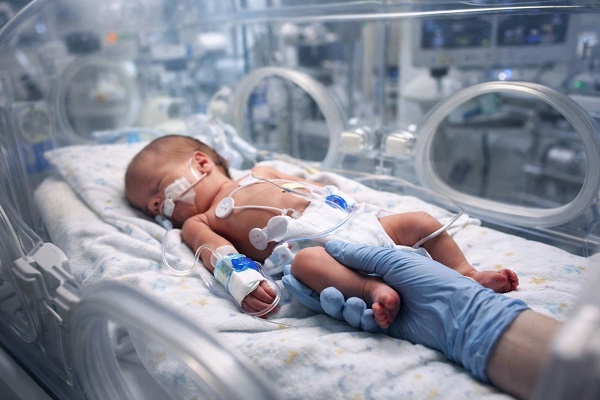 New research reveals that many premature babies may not be getting enough selenium, a vital nutrient
needed for survival and development
Why Selenium Matters So Much
Selenium is a trace mineral that plays a powerful role in the human body. It is essential for producing specialized proteins that help fight oxidative stress, regulate thyroid hormones, and maintain healthy cells. In simple terms, selenium acts like a microscopic shield, protecting the body from damage caused by harmful molecules.
According to researchers from the Neonatal-Perinatal Medicine division, Department of Pediatrics, University of Oklahoma Health Sciences Center, Oklahoma City, USA, premature infants are especially at risk of selenium deficiency. This is because most selenium is transferred from mother to baby during the final trimester of pregnancy—a stage that preterm babies miss.
The study highlights that premature infants can be up to 17 times more likely to suffer from selenium deficiency compared to full-term babies.
A Double Burden for Preterm Infants
Beyond missing out on crucial nutrient transfer before birth, preterm babies face additional challenges after delivery. Many require specialized feeding methods such as parenteral nutrition, where nutrients are delivered directly into the bloodstream. Unfortunately, these formulations often contain inorganic forms of selenium that may not be efficiently used by the infant’s body.
Adding to the problem, premature babies have immature digestive systems and weaker antioxidant defenses. This makes it harder for them to process selenium and benefit from its protective effects.
This
Medical News report highlights that even when supplementation is provided, many preterm infants continue to show low selenium levels in the first weeks of life, raising concerns about long-term health impacts.
The Hidden Consequences of Deficiency
The effects of selenium deficiency in premature infants can be far-reaching. The study outlines links between low selenium levels and conditions such as respiratory disease, infections, and impaired growth. In particular, a serious lung condition known as bronchopulmonary dysplasia has been associated with low selenium status.
Selenium is also vital for immune function. Some clinical trials have shown that adequate supplementation can reduce the risk of infections, including life-threatening sepsis. In one major trial, higher selenium intake led to a noticeable drop in infection rates among preterm infants.
Confusio
n Over the Right Dose
One of the biggest challenges identified by researchers is the lack of clear and consistent guidelines. Different medical organizations recommend vastly different selenium doses for preterm infants, with some suggesting more than double the amount advised by others.
For example, North American guidelines typically recommend lower doses, while European and Chinese guidelines advocate significantly higher supplementation levels. This discrepancy reflects ongoing uncertainty about what constitutes an “optimal” selenium level in newborns.
Complicating matters further, there is no universally accepted way to measure selenium status in infants. Blood tests may not accurately reflect how much selenium is actually available in tissues where it is needed most.
Rethinking Nutrition Strategies
The study also raises questions about the form of selenium used in infant nutrition. Natural sources, such as breast milk, contain organic selenium compounds that may be more biologically effective. In contrast, formula and intravenous nutrition often rely on inorganic forms that require additional processing in the body.
Researchers suggest that improving both the type and amount of selenium provided could significantly enhance outcomes for premature infants. However, more targeted clinical trials are needed to determine the safest and most effective strategies.
Conclusion
The findings underscore a critical gap in neonatal care that demands urgent attention. Premature infants are uniquely vulnerable to selenium deficiency due to biological, developmental, and nutritional factors. While current supplementation practices have reduced severe deficiencies, they may still fall short of meeting the true needs of this population. Moving forward, better diagnostic tools, clearer guidelines, and more biologically appropriate forms of selenium could help bridge this gap and improve survival and long-term health outcomes for preterm babies worldwide.
The study findings were published in the peer reviewed journal: Nutrients.
https://www.mdpi.com/2072-6643/18/8/1271
For the latest on the effects of low selenium levels in pregnant mothers on their babies, keep on logging to Thailand
Medical News.
Read Also:
https://www.thailandmedical.news/articles/supplements
https://www.thailandmedical.news/articles/health-news




 Share
Share
 Tweet
Tweet
 Share
Share