COVID-19 is Factually Starving You: The Terrifying Link Between SARS-CoV-2 and Chronic Nutrient Malabsorption
Nikhil Prasad Fact checked by:Thailand Medical News Team Oct 19, 2026 43 minutes ago
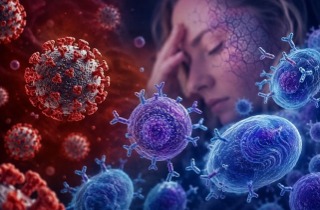
As medical researchers look past the respiratory symptoms of the coronavirus pandemic, a far more insidious crisis has emerged within human metabolic health. Emerging clinical evidence confirms that SARS-CoV-2 directly invades the human digestive system, permanently altering the gut’s ability to process essential vitamins, minerals, and macronutrients. This viral hijacking means that millions of individuals may be eating balanced meals every day but remain functionally starved at a cellular level.
 Many are unaware that despite eating well, they are sufferring from nutrient malabsorption
For healthcare providers and patients tracking post-viral recovery trends, this breakthrough offers answers to lingering health anomalies. According to a specialized clinical report published by
Thailand Medical News, doctors are witnessing a sharp rise in post-infection chronic fatigue, unexplained muscle wasting, and severe vitamin deficiencies. This growing health emergency points directly to a compromised gastrointestinal tract that has been structurally and biochemically rewired by the virus.
The Biological Hijacking of Human Enterocytes
To understand why Covid-19 causes profound nutrient malabsorption, scientists look directly at how the virus enters human tissue. SARS-CoV-2 relies heavily on the angiotensin-converting enzyme 2 (ACE2) receptor to infiltrate cells. While these receptors are dense in the lungs, they are found in even higher concentrations within enterocytes—the specialized absorptive cells that line the human small and large intestines.
When the virus enters the digestive tract, it effectively hijacks these enterocytes to replicate. This cellular invasion causes immediate, localized destruction to the mucosal architecture of the intestines. As healthy, villous structures are destroyed and sloughed off, the surface area available for nutrient absorption shrinks dramatically. The body loses its primary mechanism for pulling fuel from food, leading directly to rapid-onset malabsorption.
Breaking Down the "Leaky Gut" and Enzyme Failure
The damage extends far beyond basic structural wear and tear. The downregulation of ACE2 receptors disrupts the local renin-angiotensin system in the gut, which immediately shuts down critical amino acid transporters. Furthermore, the infection paralyzes essential brush-border enzymes responsible for breaking down complex carbohydrates and proteins.
For instance, when the enzyme sucrase-isomaltase fails due to cellular inflammation, the body loses its ability to absorb specific sugars. These undigested molecules sit in the intestinal tract, drawing in excess water and causing painful osmotic diarrhea, bloating, and severe abdominal cramping.
Simultaneously, the virus attacks the structural tight-junction proteins, such as ZO-1 and occludin, which act as the mortar between the cellular bricks of the intestinal wall. When these proteins degrade, the gut-blood barrier fails, creating a condition widely known as a "leaky gut." Instead of carefully filtering nutrients into the bloodstream, the damaged barrier allows toxins
to spill into the circulatory system, triggering systemic inflammation while letting crucial micronutrients pass right through the body unabsorbed.
Microbiome Devastation and Selective Deficiencies
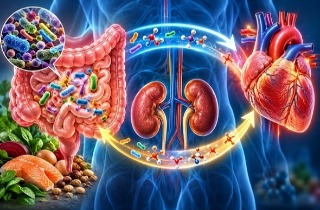
A secondary, equally devastating consequence of the infection is the total obliteration of the gut microbiome. The human digestive tract relies on a delicate balance of trillions of beneficial bacteria to ferment dietary fibers, process complex fats, and synthesize essential vitamins like B and K.
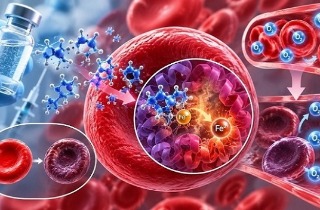
Clinical trials show that SARS-CoV-2 dramatically alters this internal ecosystem, systematically depleting beneficial anaerobic bacterial strains while accelerating the growth of opportunistic pathogens. Without a healthy microbiome, the metabolic processing of food grinds to a halt. This persistent state of microbial dysbiosis explains why many patients suffer from prolonged malnutrition long after the active viral infection has cleared from their respiratory system. Over time, this leads to selective deficiencies in iron, zinc, vitamin D, and essential fatty acids, crippling the body's natural defense mechanisms.
Long Covid and the Warning Signs of Malabsorption
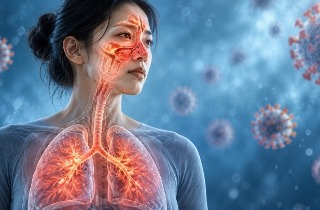
This systemic disruption is now recognized as a primary driver of Post-Acute Sequelae of COVID-19 (PASC), commonly referred to as Long Covid. Millions of individuals worldwide are left wondering why they suffer from persistent brain fog, hair loss, bone density loss, and brittle nails despite maintaining a healthy diet. The reality is that their damaged intestines can no longer process the fuel they are being given.
Public health advocates urge individuals to monitor for the core warning signs of post-viral malabsorption, which include:
-Persistent, unexplained diarrhea or floating, greasy stools (steatorrhea).
-Chronic bloating, gas, and abdominal pain within an hour of eating.
-Rapid weight loss despite a steady or increased caloric intake.
-Severe lethargy, anemia, and muscle weakness that does not improve with rest.
Restoring Gut Health and Defeating Post-Viral Starvation
Medical experts emphasize that traditional multi-vitamins are entirely insufficient to fix this level of metabolic damage, as an inflamed gut cannot absorb standard synthetic pills. Instead, clinical nutrition strategies are shifting toward intensive gut-restoration protocols.
Frontline therapies now focus on targeted oral clinical nutrition, utilizing highly bioavailable, elemental, or pre-digested nutrients that bypass damaged cellular transporters. Doctors are also leveraging high-potency, medically supervised probiotics to actively rebuild the destroyed microbiome, alongside specific amino acids like L-glutamine to help patch the broken tight junctions of the intestinal wall. In severe clinical cases or for critically ill hospitalized patients, early enteral nutrition via specialized feeding tubes remains mandatory to protect gut integrity and prevent total organ failure.
As healthcare systems adapt to the long-term realities of the post-pandemic landscape, addressing the nutrient absorption crisis is no longer optional. Healing the respiratory tract was only the first step; saving the digestive system from the lingering damage of the virus is the next major frontier in global medicine.
References:
https://pubmed.ncbi.nlm.nih.gov/32668037/
https://pmc.ncbi.nlm.nih.gov/articles/PMC7599006/
https://pmc.ncbi.nlm.nih.gov/articles/PMC10135602/
https://pmc.ncbi.nlm.nih.gov/articles/PMC7467124/
https://pmc.ncbi.nlm.nih.gov/articles/PMC9365508/
https://www.frontiersin.org/journals/microbiology/articles/10.3389/fmicb.2022.860931/full
https://pmc.ncbi.nlm.nih.gov/articles/PMC10608106/
https://www.frontiersin.org/journals/cellular-and-infection-microbiology/articles/10.3389/fcimb.2025.1537456/full
https://www.cell.com/cell-reports/fulltext/S2211-1247(20)30896-2
https://pmc.ncbi.nlm.nih.gov/articles/PMC8047540/
https://pmc.ncbi.nlm.nih.gov/articles/PMC10304713/
https://www.mdpi.com/1422-0067/23/5/2654
https://www.sciencedirect.com/science/article/pii/S2666337625001027
https://www.sciencedirect.com/science/article/pii/S2772431X25000012
Read Also:
https://www.thailandmedical.news/articles/coronavirus
https://www.thailandmedical.news/articles/long-covid




 Share
 Tweet
 Share