Nikhil Prasad Fact checked by:Thailand Medical News Team Dec 09, 2025 9 months, 3 weeks, 5 days, 4 hours, 29 minutes ago
Medical News: Understanding Telomeres and Why They Matter
Scientists from institutions including the IEO European Institute of Oncology in Milan and the University of Turin’s Molecular Biotechnology Center in Italy have made significant findings on how abnormal telomere lengths can raise the risk of cancer and other serious health conditions. Telomeres are protective caps at the ends of chromosomes that play a key role in maintaining genetic stability. When these telomeres become too short or too long, it can lead to serious problems in the body, particularly in how cells age and replicate.
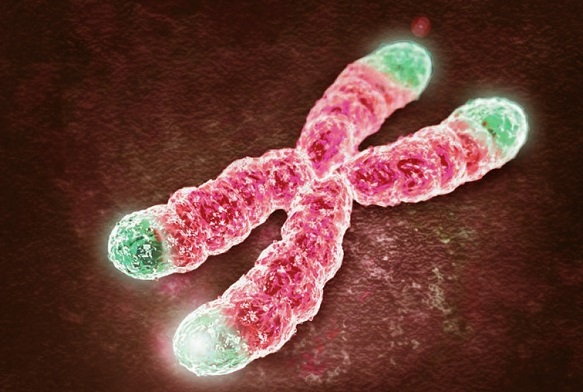 New research confirms both short and long telomeres increase cancer and blood disorder risks
This
Medical News report covers how both extremely short and excessively long telomeres are connected to the development of cancers, blood disorders, and bone marrow failure. The researchers also reviewed current methods to measure telomere length and how these methods can help predict, diagnose, and potentially treat diseases related to telomere dysfunction.
Too Short or Too Long Both Can Be Dangerous
Normally, telomeres shorten as we age. This process helps keep damaged cells from dividing too much. But when telomeres become critically short, the cells can become unstable, leading to genetic damage and increasing the risk of cancer. On the other hand, having telomeres that are too long can also be harmful. It gives cells the ability to divide more than they should, allowing them to accumulate mutations and potentially become cancerous.
The research highlighted that both scenarios—short and long telomeres—can independently increase the risk of developing various cancers including pancreatic, lung, breast, colon, and certain blood cancers like leukemia. The study clearly shows that the lowest cancer risk occurs when telomeres are within a moderate range. When telomeres fall outside this range, either too short or too long, cancer risk significantly rises.
Link to Bone Marrow Failure and Blood Cancers
The study revealed that inherited telomere-related disorders, such as Dyskeratosis Congenita, often lead to bone marrow failure and increase the risk of blood cancers. These disorders are usually caused by mutations in genes that control telomerase, the enzyme responsible for maintaining telomere length.
Even some people with acquired conditions like aplastic anemia show unusually short telomeres, which may predict poor treatment response or disease progression.
Interestingly, long telomeres are also linked to clonal hematopoiesis, a condition where abnormal blood cell clones expand and may lead to leukemia. This shows that both ends of the telomere length spectrum can contribute to blood cancers.
Emerging Diagnostic and Therapeutic Potential
Telomere measurement is not only useful for diagnosing diseases early, but also for predicting how a disease will progress and how well it might respond to treatment. New treatments aimed at adjusting t
elomere length—such as using androgen hormones or the ZSCAN4 protein to lengthen telomeres—are now being explored in both inherited and acquired blood disorders.
Conclusion
These findings suggest that keeping telomere length within a healthy range is essential for preventing many forms of cancer and bone marrow diseases. Measuring telomeres may become a routine part of cancer diagnosis and monitoring in the future. Both short and long telomeres can be dangerous, and understanding their role in disease could open up new doors for treatment and prevention.
The study findings were published in the peer reviewed journal: Biomedicines
https://www.mdpi.com/2227-9059/13/12/3009
For the latest on telomeres, keep on logging to Thailand
Medical News.
Read Also:
https://www.thailandmedical.news/news/covid-19-shortens-leukocyte-telomere-length-but-this-is-not-associated-with-cognitive-impairment-issues
https://www.thailandmedical.news/news/new-insights-into-the-positive-effects-of-certain-medications-on-telomere-length
https://www.thailandmedical.news/news/breaking-study-discovers-sars-cov-2-could-be-carcinogenic-as-it-causes-mutagenesis,-telomere-dysregulation-and-impairs-dna-mismatch-repair
https://www.thailandmedical.news/news/breaking-university-of-vermont-scientists-confirms-that-sars-cov-2-has-ability-to-damage-human-dna-and-telomeres-causing-long-covid-issues
https://www.thailandmedical.news/news/epigenetic-changes-linked-with-aging-witnessed-as-telomeres-on-dna-are-shortened-as-a-result-of-junk-food-consumption
https://www.thailandmedical.news/news/belgium-scientists-provide-new-insights-into-dna-methylation-telomere-length-and-immune-function-in-long-covid-patients




 Share
Share
 Tweet
Tweet
 Share
Share

































